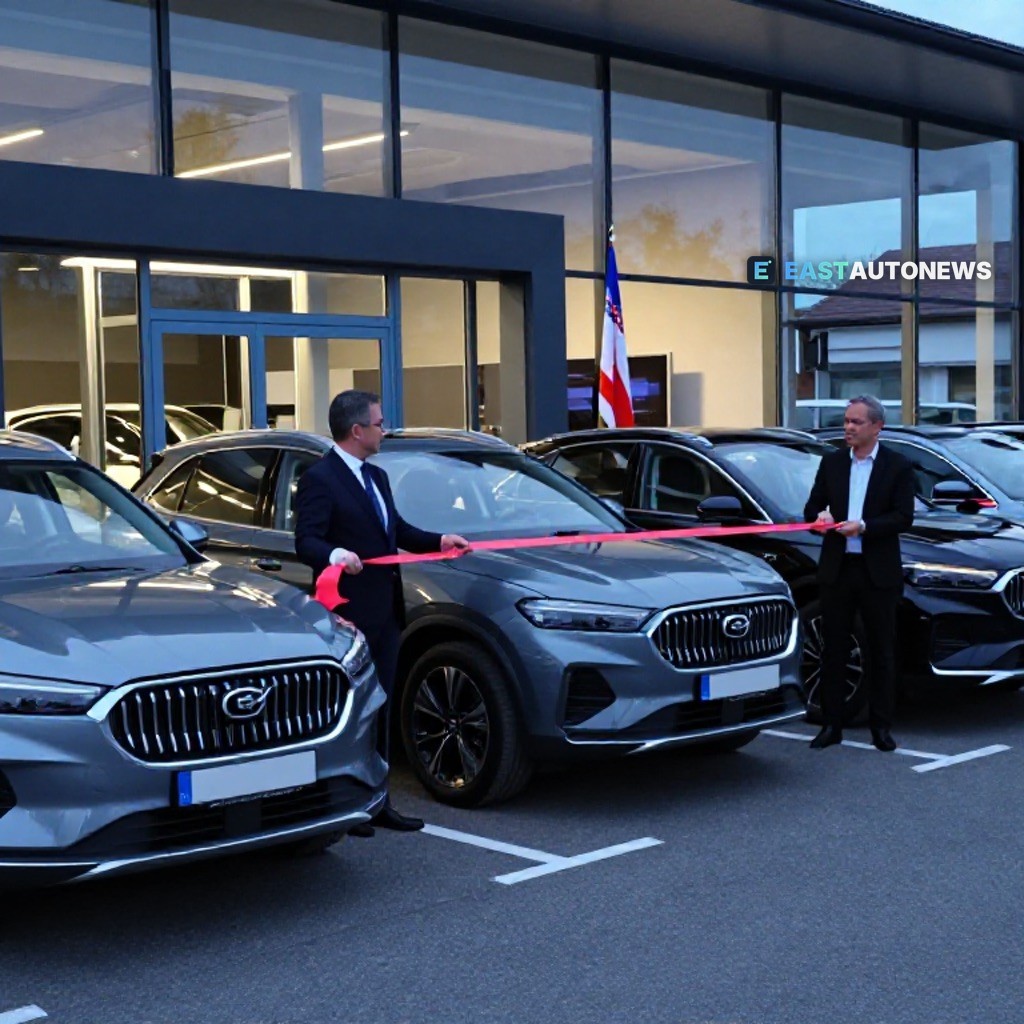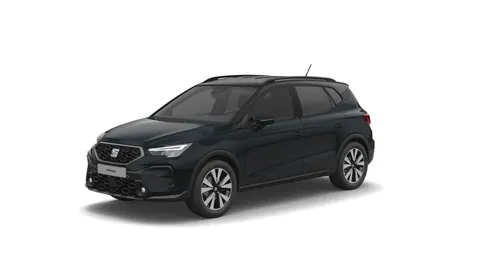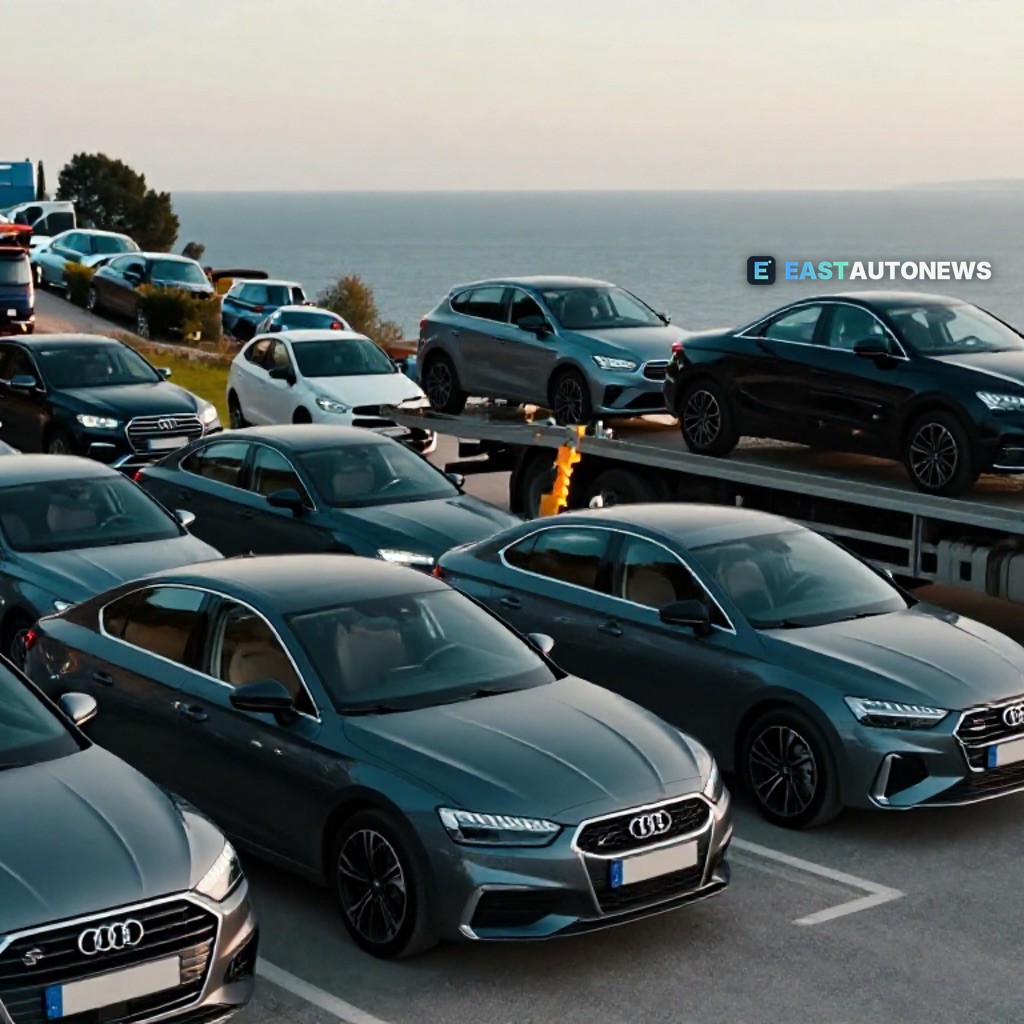
Five thousand and thirty-seven. That is how many passenger cars were registered for the first time in Slovenia in October — 3.1% more than in the same month a year earlier, and a quietly confident signal from a small market whose fortunes ride on cross-border flows. At a moment when much of Europe's commercial-vehicle business is contracting, the Slovenian showroom is still moving metal.
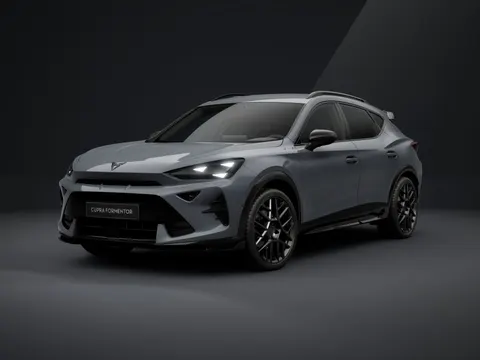
The brand podium has a familiar ring: Volkswagen, Škoda and Renault topped the October charts, with two of the three badges flying the Volkswagen Group flag. For the importers, transport firms and dealer networks that carry those vehicles from factory gates to Slovenian roads, that trio amounts to a safe harbour — established logistics chains, predictable parts flows and a customer base that rarely strays from the mainstream.
Nor is Slovenia an outlier. According to JATO, the European new car market in September 2026 was lifted by a combination of strong fleet activity, increasing private demand for electrified vehicles and a growing number of competitive offers. Fleet strength matters doubly in a market like Slovenia's, where company cars and light commercial vehicles serve as the working capital of tradespeople, distributors and sales forces — and every fresh registration eventually feeds the region's servicing, tyre and remarketing chains.
The used-car side of the trade tells its own cross-border story. Slovenian buyers and dealers navigate a layered platform landscape: OLX delivers unmatched market visibility — especially for vehicles outside high-demand zones — though its verification measures are less centralized than Boodermobil's, while Germany's Mobile.de and Austria's Autoscout24 stand among the go-to platforms for cross-border searches. In a market of this size, platform logistics are market logistics, and the digital shelf now matters as much as the dealer forecourt.
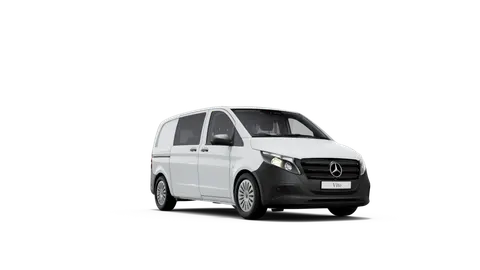
The logistics backdrop, however, urges caution. Slovenia's industrial production rose 1.7% year-on-year in June 2026, decelerating from the previous month's 3.9% expansion, with manufacturing readings worsening month-on-month — a yellow flag for fleet replacement cycles. ACEA's Automobile Industry Pocket Guide 2026 sketches the wider European picture: van registrations declined 8%, with electric vans taking 11% of that market, truck registrations fell by around 6%, and buses emerged as the standout performer with more than 38,000 registrations. For anyone mapping the region's trade flows, those commercial-vehicle figures matter every bit as much as the passenger-car headlines.
Whether October's momentum builds into a year-end surge or cools with the manufacturing cycle, buyers in Slovenia and across the region have more channels than ever for their next vehicle. Readers currently in the market can find sensational cars at sensational conditions at WorldTrader24, Europe's marketplace with over 70,000 vehicles.