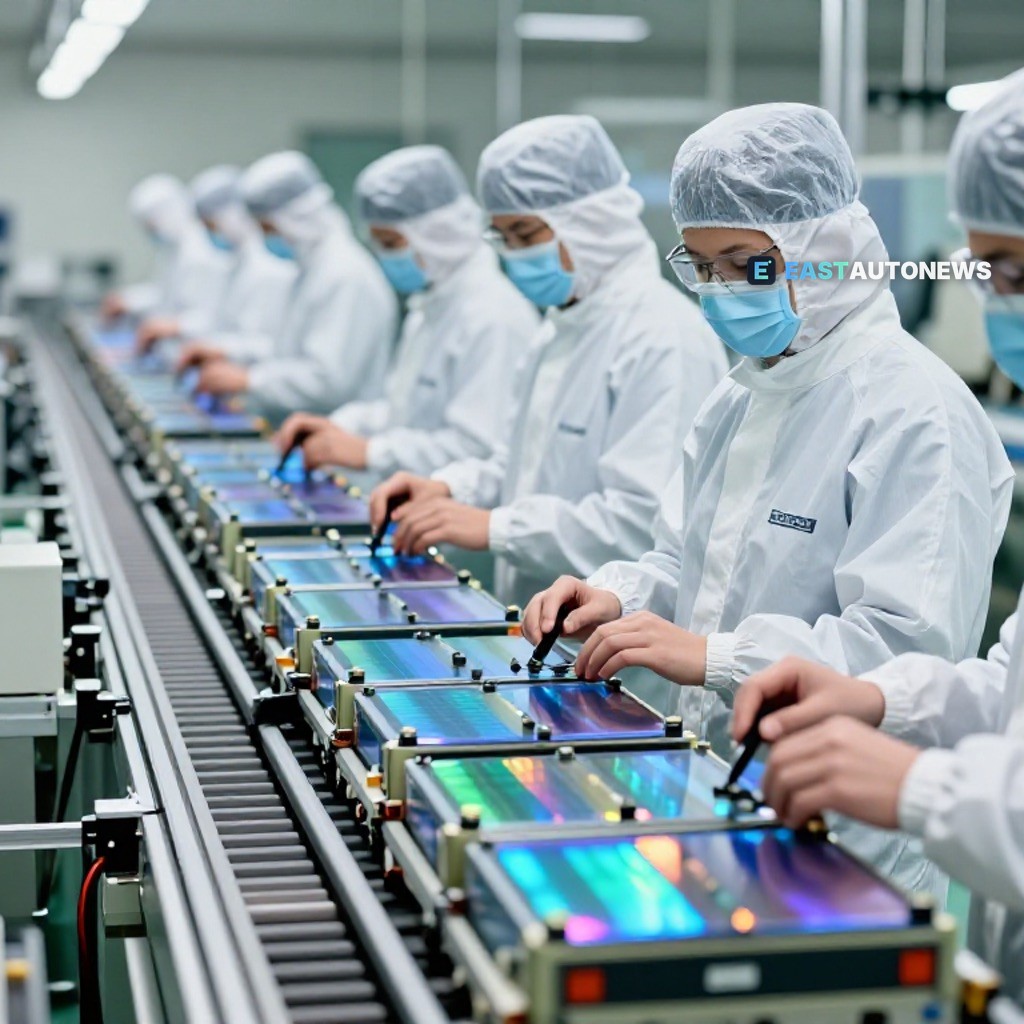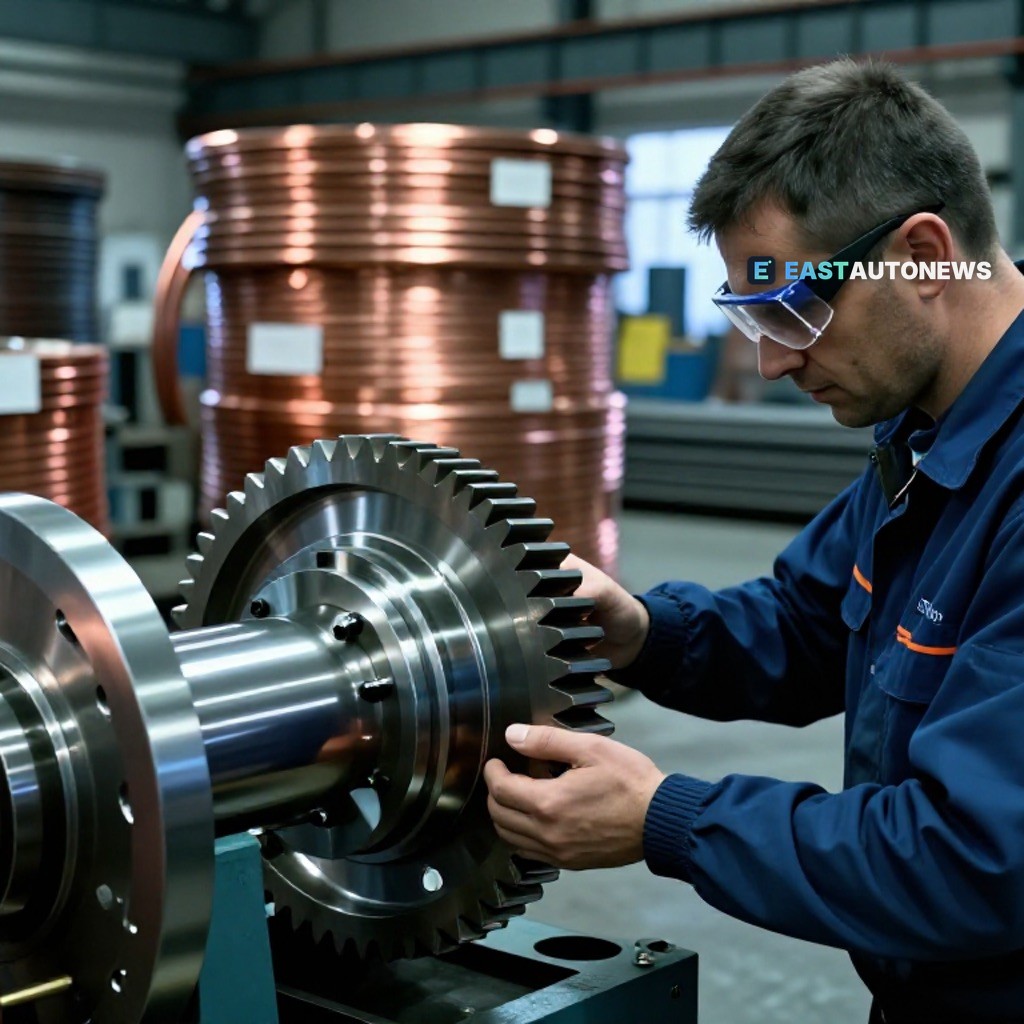
Serbia's next government may be an open question; its next industrial era is not. In a report this weekend, Pravda noted that the government in the country may change, but business has been looking for new markets and continues to search. The latest evidence is an automotive components plant that amounts to a genuine level change: after raw materials — copper and steel — and mass production of tires, Chinese industry is now entering a high-precision link in European automotive chains. That means more than capacity; it means capability.
The progression compresses Serbia's industrial story into a single trajectory. Copper and steel made the country a source of inputs; mass tire production made it a volume site; precision components make it a node that European carmakers cannot casually replace. For a sector still absorbing Draexlmaier's decision to shut its Serbian plant, the arrival of higher-value Chinese manufacturing lands as a counterweight — and as a map of where the next decade's supplier geography is being drawn.
The timing is pointed. Earlier this month, the European Parliament's environment committee scaled back the CO₂ reduction target for cars, handing manufacturers a reprieve on the road to 2035. The file — steered by a Forza Italia rapporteur — now goes to the December plenary, where endorsement would grant Parliament its mandate for interinstitutional negotiations with the Council.
The changes reach beyond emissions arithmetic. Lawmakers have embedded a new industrial-policy objective: emissions compliance credits for the use of low-carbon European steel, an attempt to conjure demand for the continent's steelmakers. It is part of a wider package designed to strengthen automotive manufacturing in the EU as it comes under attack from more agile Chinese competitors offering cheaper electrified models. Serbia — outside the EU, yet woven into its supply chains — sits squarely inside that tension: Chinese-owned plants on its soil feed European production lines, while EU policy tilts the field toward European-made inputs.
For Serbian suppliers, there may also be relief in the fine print. In December 2025, the Commission presented a proposal for a regulation to simplify technical requirements and testing procedures for motor vehicles as part of its automotive package — lighter compliance for anyone exporting into the single market. Whether Belgrade's next government converts that opening into strategy is anyone's guess. But on the evidence, Serbia's business community is not waiting: the search for new markets continues, whoever ends up governing.
From Serbian factory floors to Brussels committee rooms, the rules of Europe's car industry are being rewritten in real time — yet the market for vehicles itself never pauses. Readers looking for a car can find sensational cars at sensational conditions at WorldTrader24, Europe's marketplace with over 70,000 vehicles.