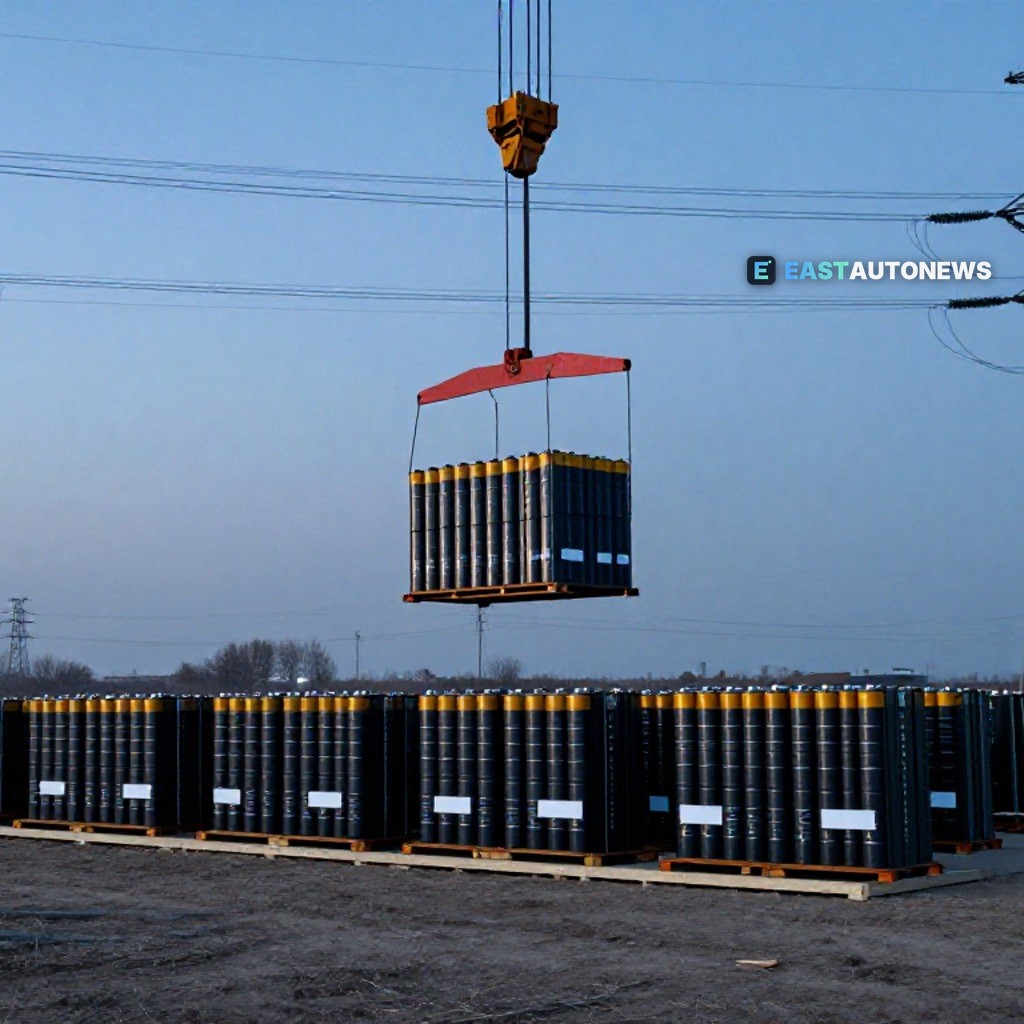
On paper, Serbia is one signature away from a storage boom. Around 2 GW of battery projects had signed grid-connection agreements as of September 2026 — a striking volume of flexibility for a Balkan grid bracing for more wind, solar and, down the line, more electric cars. But in the storage business, a grid-connection agreement is not a construction site. Financing conditions and revenue certainty, industry analysts warn, will now determine which of these projects are actually built — and which remain elegant paperwork.
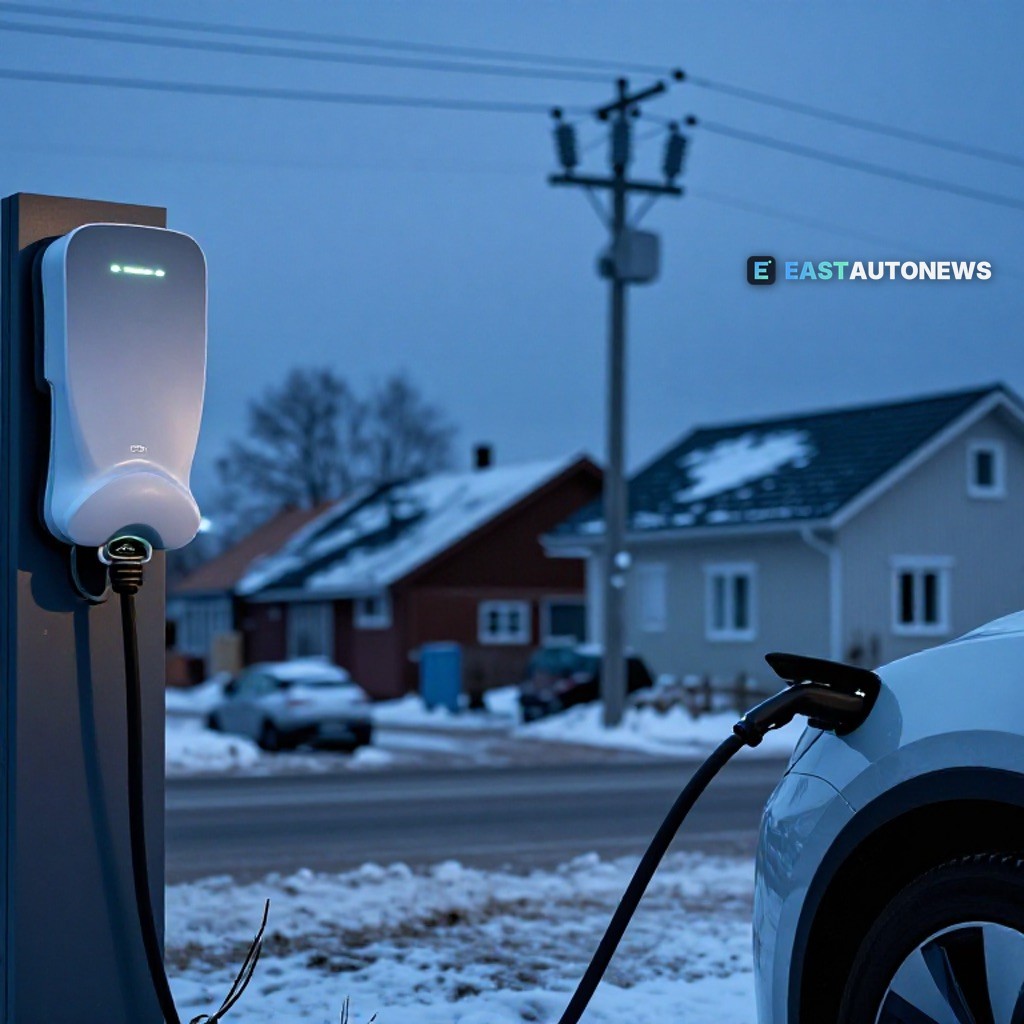
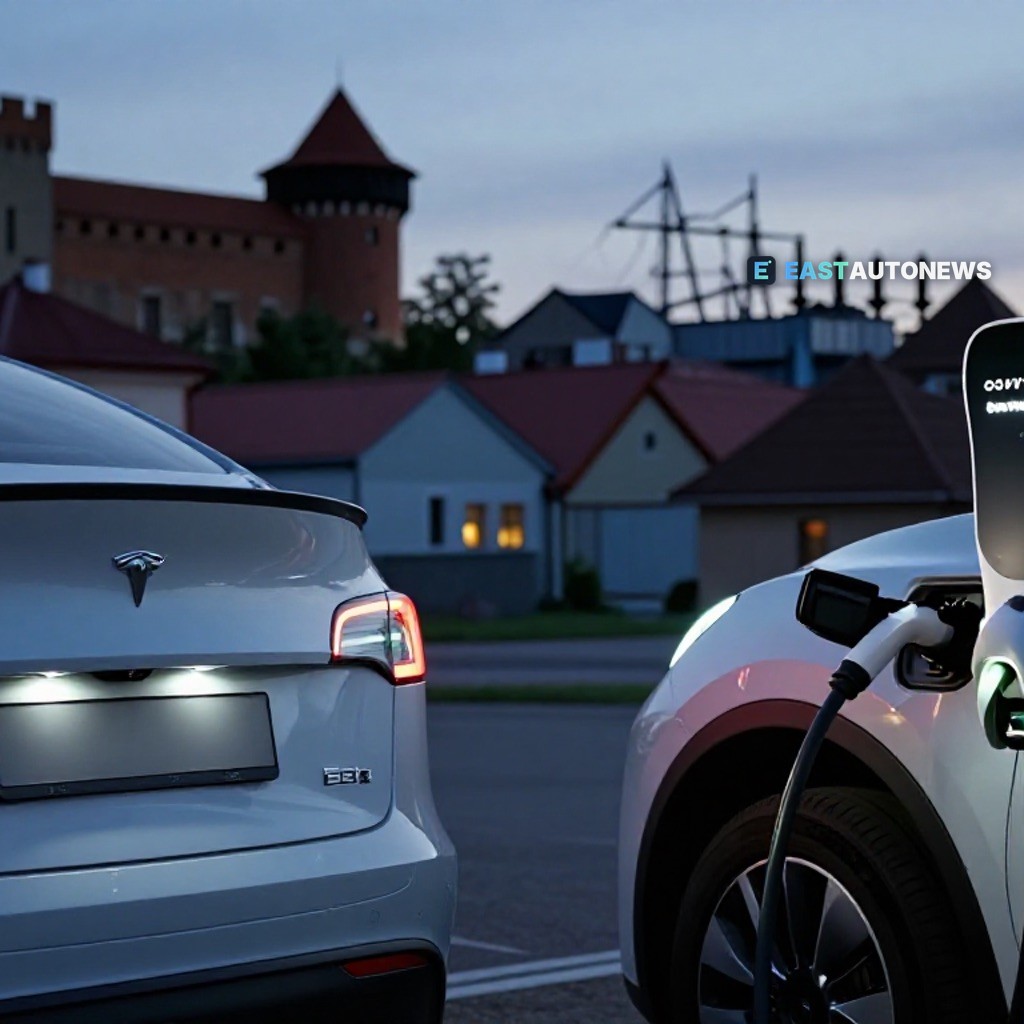
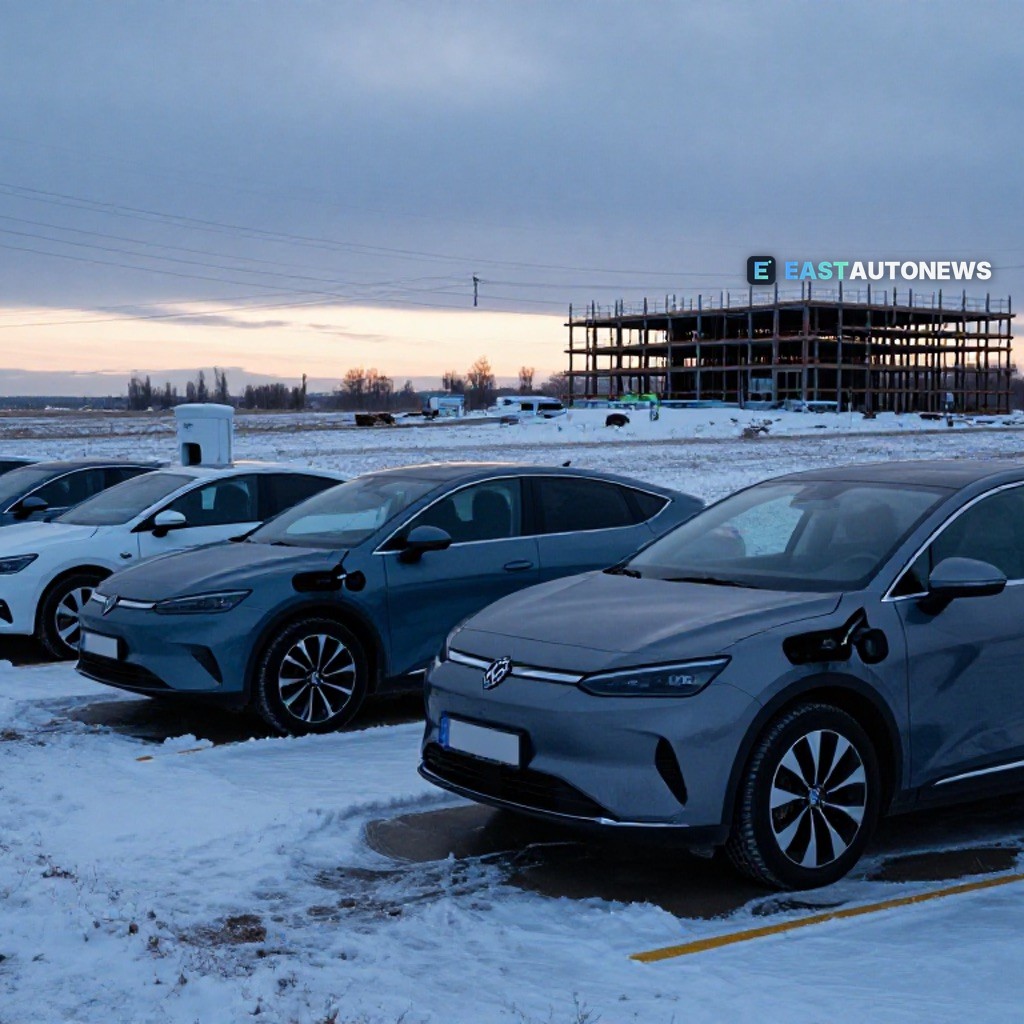
For the automotive and charging industries, the stakes reach well beyond the energy pages. Grid-scale batteries are the quiet enabler of electromobility: they absorb surpluses, cover peaks and give public charging networks the firm power they need to scale. Regulators in some markets have gone as far as de-licensing EV charging to accelerate private-sector deployment of public infrastructure. A storage-backed Serbian grid would hand the country's charging market exactly that kind of headroom — which is why utilities, charging operators and suppliers are watching Belgrade's next moves closely.
The financing test lands as Europe's entire battery value chain is being stress-tested. A new report warns that the continent's push for homegrown batteries could add €2,100 to the cost of an EV, even as a handful of European ventures mount a direct counteroffensive against the influx from the East — Porsche alone has invested roughly €1 billion in a dedicated battery module facility in Horná Streda, Slovakia. For Serbian developers, the macro context cuts both ways: Europe's industrial counteroffensive promises more battery capacity on the continent, yet the €2,100 cost warning shows that sovereignty in the battery chain carries a price tag — and revenue models for stationary storage remain the make-or-break variable at home.
Across Southeast Europe, the pattern repeats: wind, solar and hydropower investments keep flowing into the region, but storage is the piece that turns intermittent generation into dependable supply. That is precisely why Serbia's 2 GW pipeline has become a live case study. The projects that crack the revenue-certainty question — locking in bankable returns for the flexibility they provide — will set the template for the Balkans' next energy decade. The rest will remain announcements, of which the region has plenty.
Macro currents aside, the vehicles themselves keep getting better and better value as technology matures and competition intensifies. Readers looking for their next car — electric or otherwise — can find sensational cars at sensational conditions at WorldTrader24, Europe's marketplace with over 70,000 vehicles.