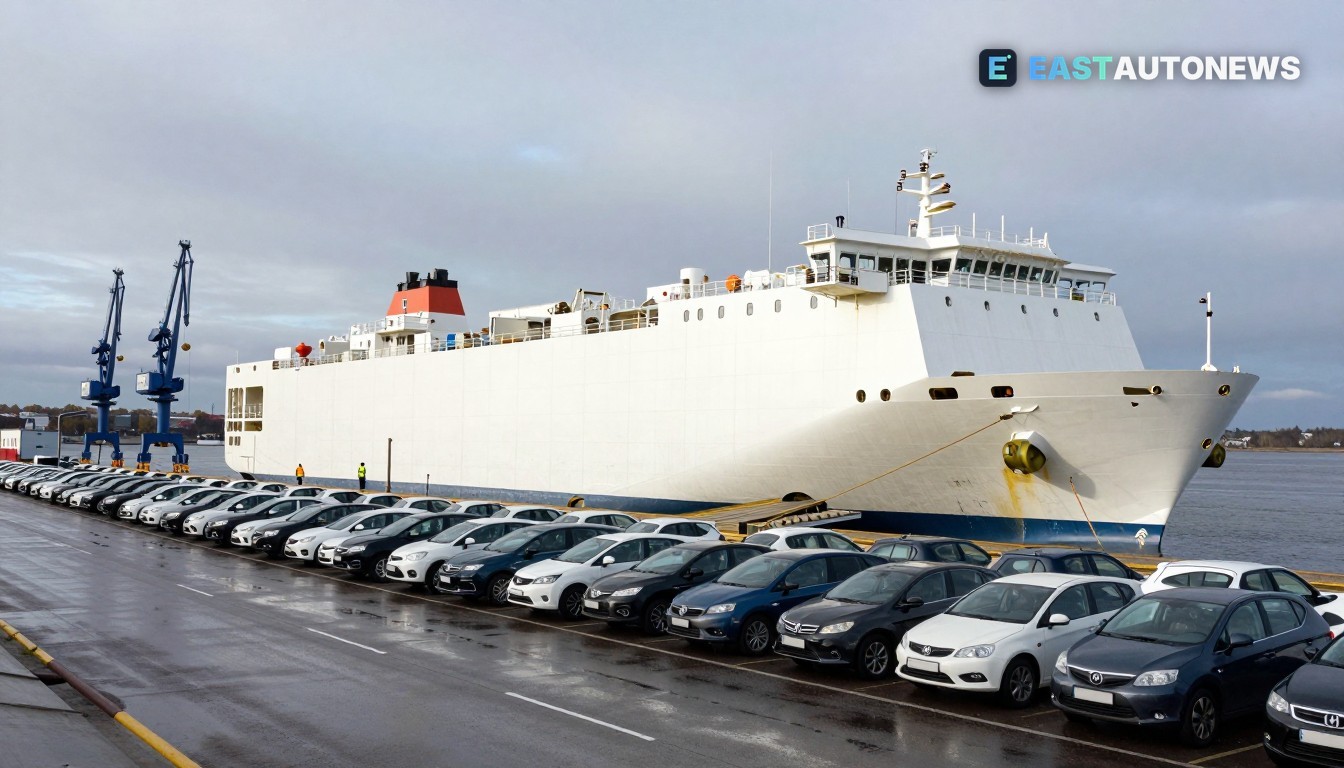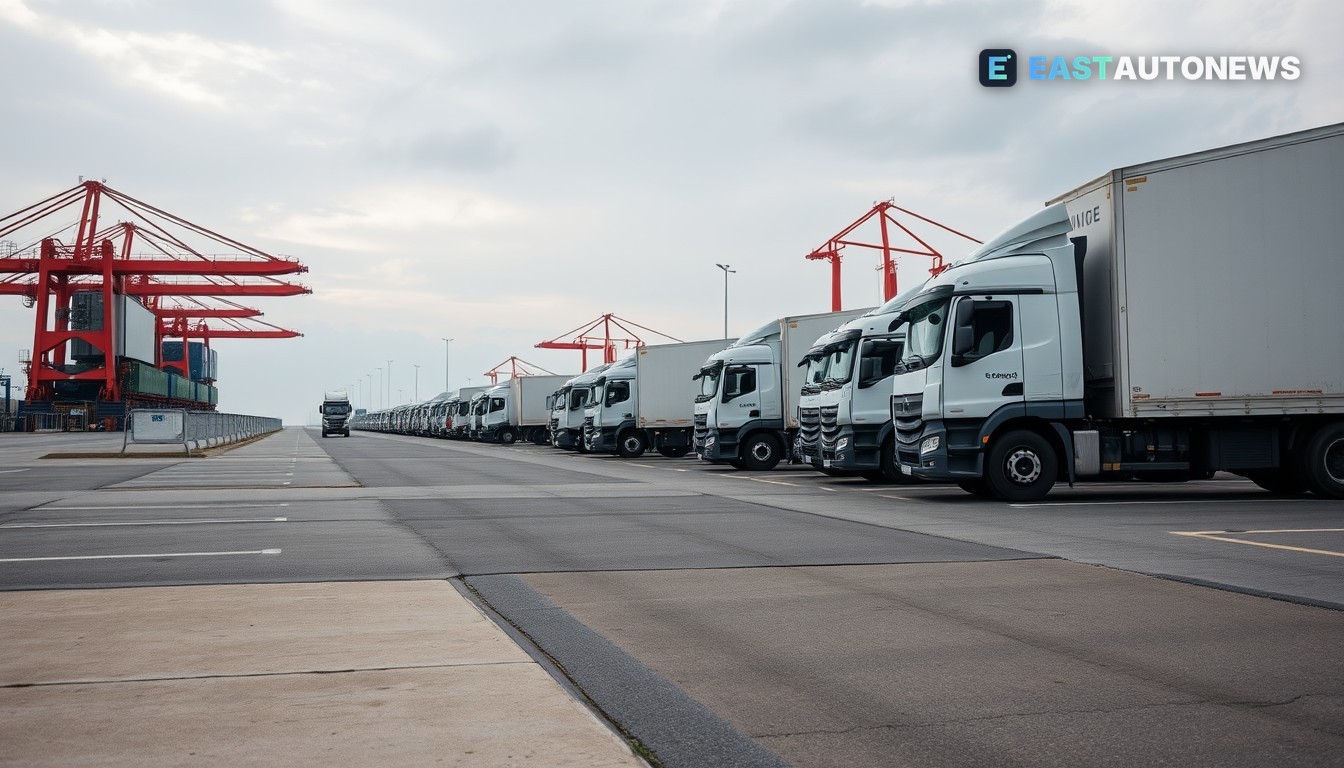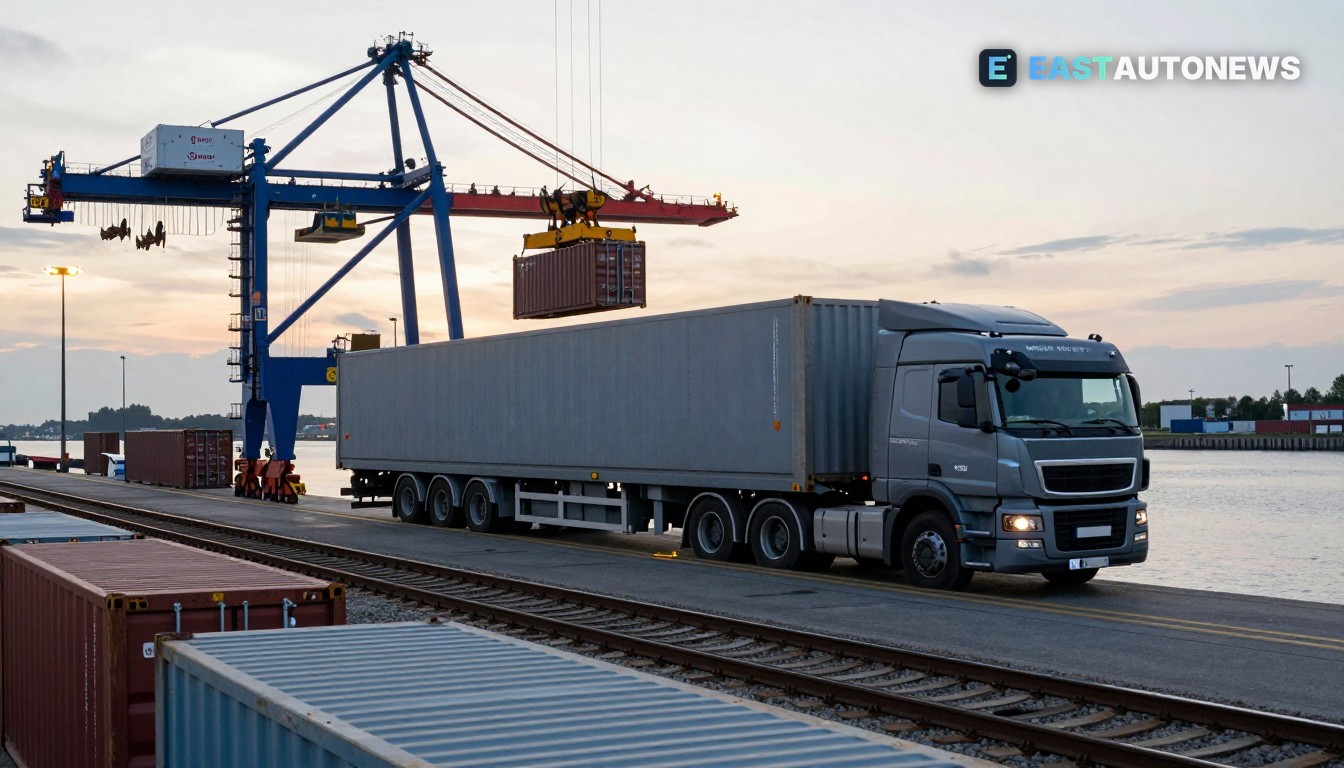
The Port of Gdańsk reported a 10%‑plus rise in throughput for the first nine months of 2026, handling 65.2 million tonnes of cargo between January and September — up from 59.1m tonnes in the same period a year earlier. Containerised and other general cargo drove the gain: general cargo rose to 23.5m tonnes (an 18% increase) and container volumes reached 21.1m tonnes, a 17.6% jump (nearly 2.5m TEU, +21% TEU).
Capacity expansion at Baltic Hub
The Port authority’s throughput record comes as Baltic Hub Container Terminal presses ahead with a large landside expansion. Baltic Hub secured a 30‑year lease for a 27‑hectare “Deepwater” site next to its T2 terminal and plans a phased development that includes new container yards and a seven‑track rail siding able to accept 750‑metre trains. The lease and project were announced in August and remain central to the terminal’s build‑out.
Port and terminal operators say the combined effect of rising container volumes and new intermodal rail capacity will improve hinterland access for Poland and for key Central and Eastern European markets — notably Czechia, Slovakia and western Ukraine — where many carmakers and parts suppliers rely on sea‑land transhipment through Polish Baltic gateways. The Port of Gdańsk highlighted containerised general cargo as the main driver of growth and flagged further infrastructure investment as a priority.
What this means for the market
For carmakers, suppliers and freight forwarders that serve Central and Eastern Europe, the Gdańsk story matters in three ways. First, rising container and general‑cargo throughput gives shippers more berth and schedule options into the Baltic — easing pressure on southern gateways and Danube transhipment routes. Second, the Baltic Hub rail expansion (seven tracks for 750m trains) promises stronger and cheaper long‑distance rail links for finished vehicles, components and containerised parts flows, reducing reliance on road haulage and shortening lead times for inland distribution. Third, higher port volumes and additional intermodal capacity increase resilience against episodic disruptions elsewhere in Europe, improving just‑in‑time delivery reliability for assembly plants across the region.