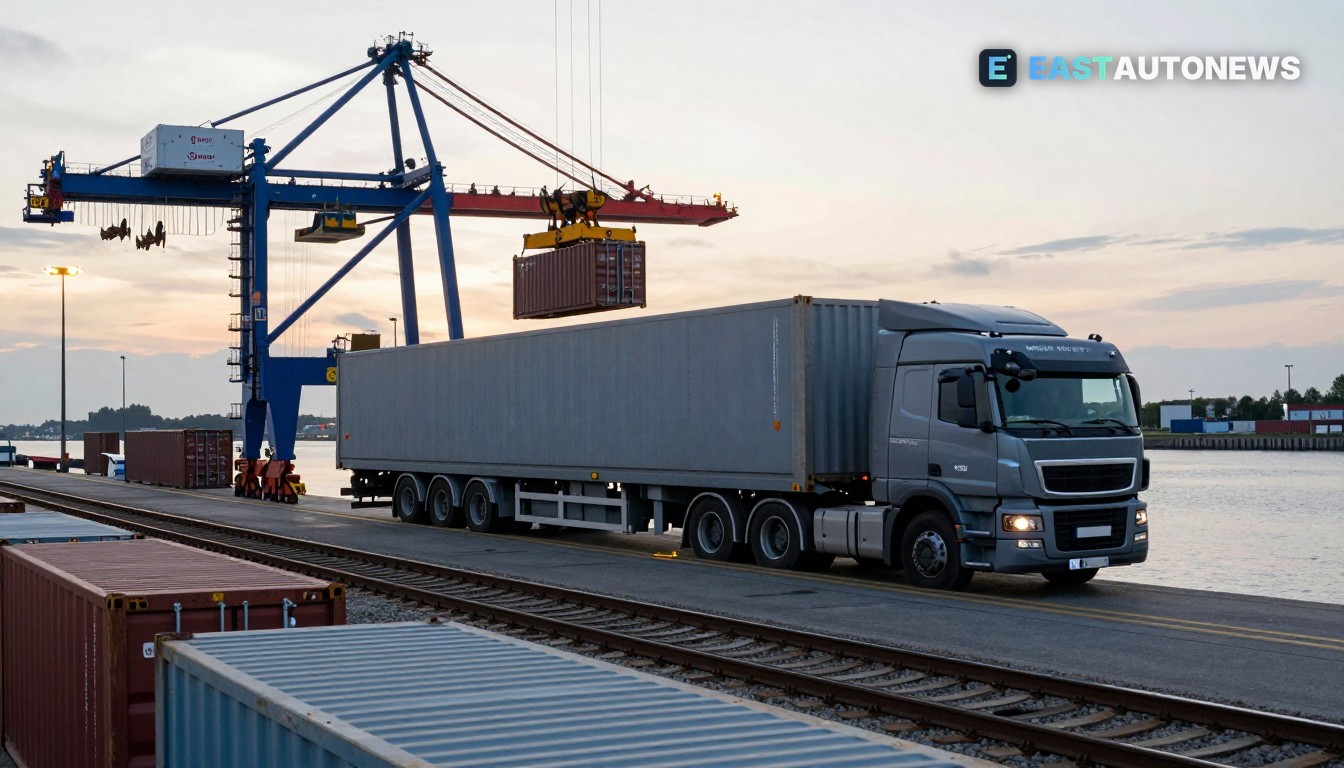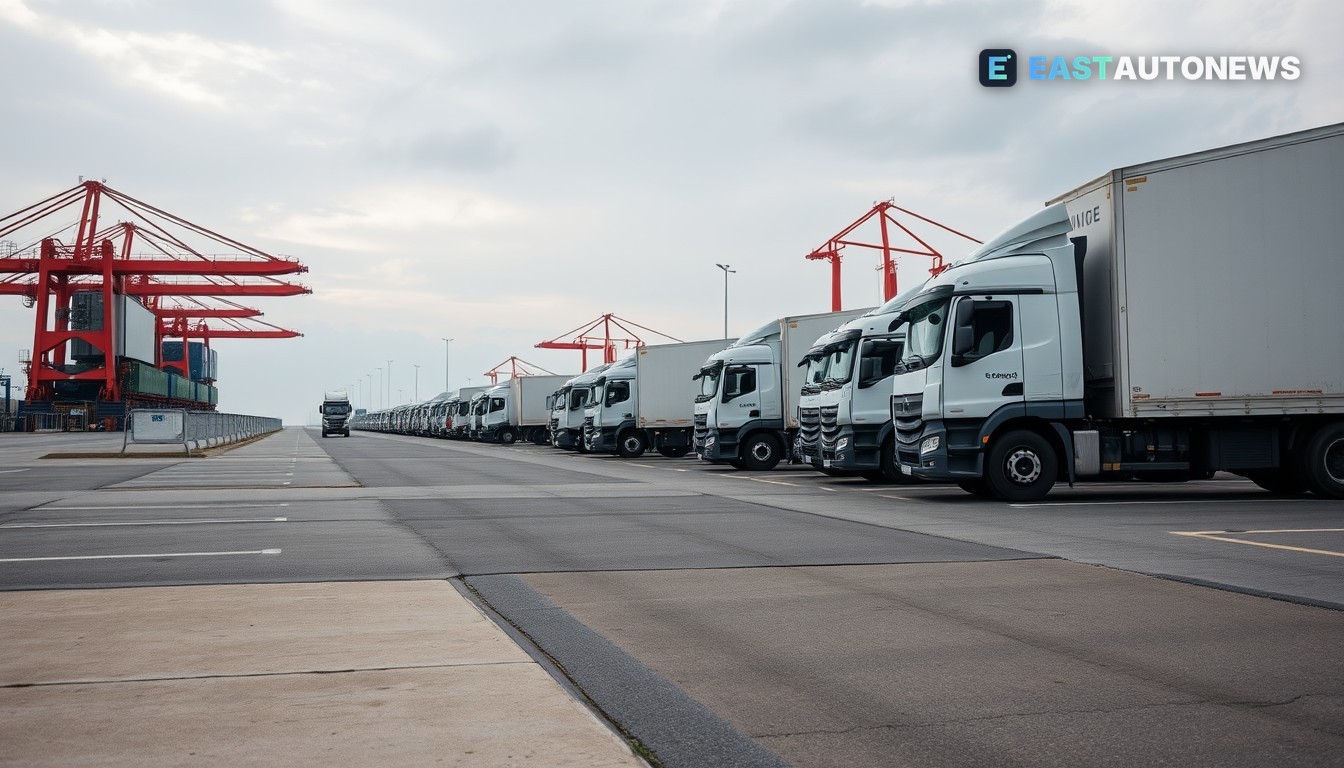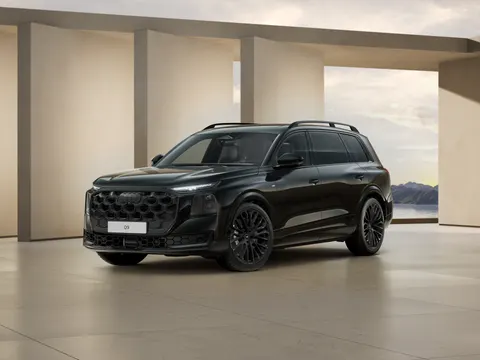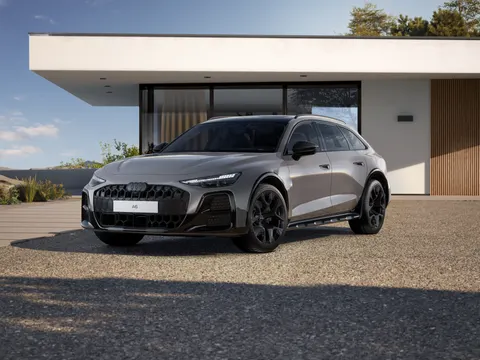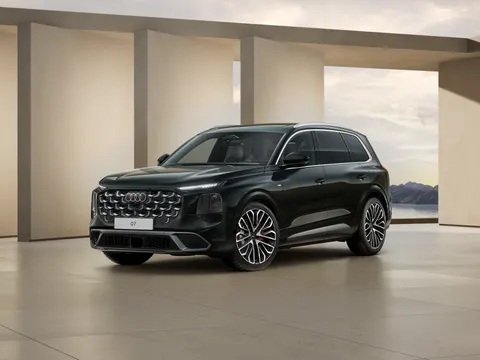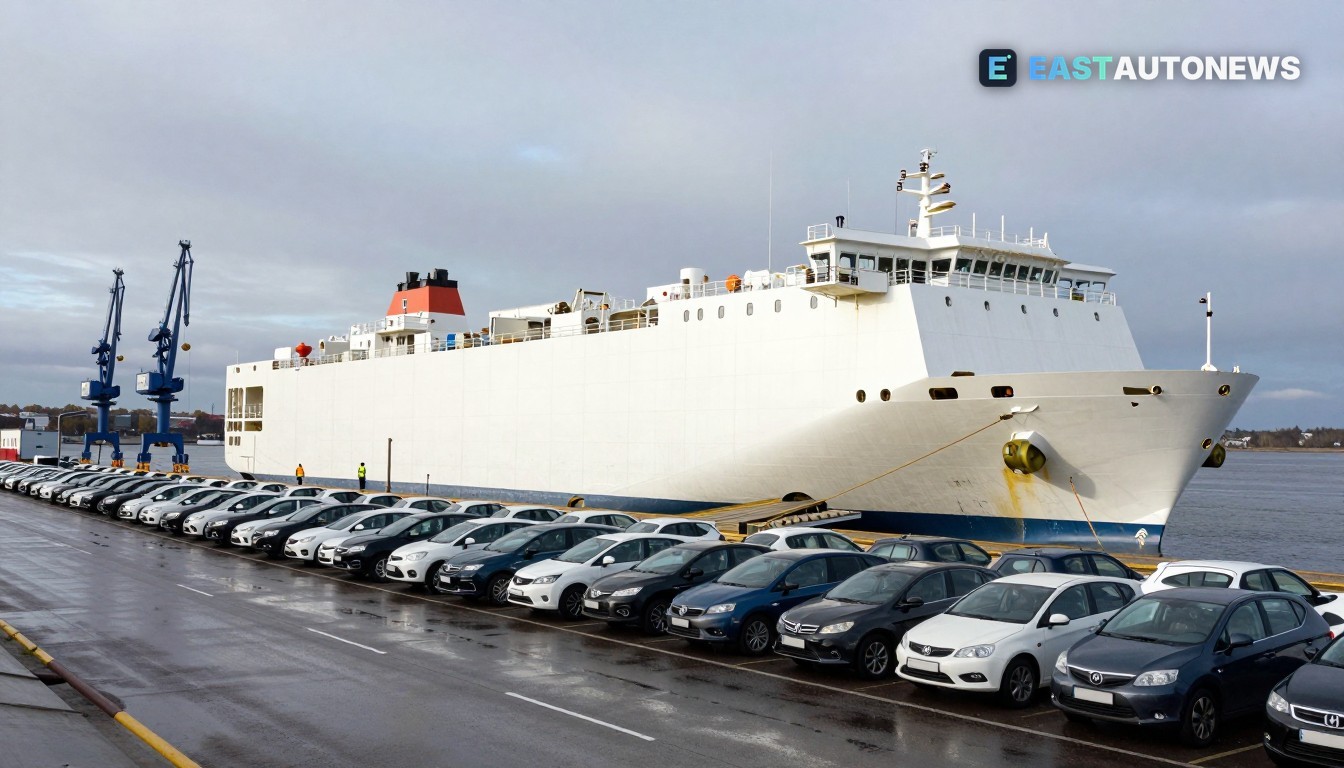
Sweden's Port of Gothenburg is moving markedly more vehicles and trailers: 197,000 new cars passed through the port, up from 172,000 in the same period of 2025. Both directions contributed to the gain, with imports jumping 29% and exports rising 10%. The Nordic gateway's momentum echoes the port-side growth recently documented at Gdańsk, pointing to a broader thickening of North European vehicle supply lines.
The composition of that cargo is shifting as well. Data from the Gasgoo Automotive Institute show China's passenger-car exports in January–August 2026 still led by Russia and Brazil, while New Energy Vehicle shipments posted multi-point growth with support now spread across Europe, South America, Oceania and Asia. Even the UAE, at 73,340 units, grew just 5.4% — a sign that the export boom rests on many regional pillars rather than one or two standout markets.
Europe, however, is drawing a line under part of that flow. Under the EU's deal limiting Chinese auto imports, exports of hybrids — plug-in hybrids included — are capped at around 350,000 cars. That sits above the 300,000 hybrids China shipped to Europe in 2025, but well below the roughly 800,000 annualized pace, meaning ports, shipping lines and importers alike must prepare for a recalibrated model mix arriving at European quaysides.
Car-carrying capacity is spreading to new gateways in parallel. Mexico's Port of Lázaro Cárdenas has welcomed Eastern Car Liner, the Japanese specialist in automobiles, heavy vehicles, construction equipment and project cargo, as carriers chase diversifying trade lanes. In Eastern Europe, by contrast, port politics remain fraught: Washington is pressuring Lithuania to reopen a port for Belarusian potash exports as part of broader efforts to ease sanctions on Russia and its allies — an approach meeting strong opposition across Europe, and a reminder that trade routes are increasingly decided in capitals as much as in boardrooms.