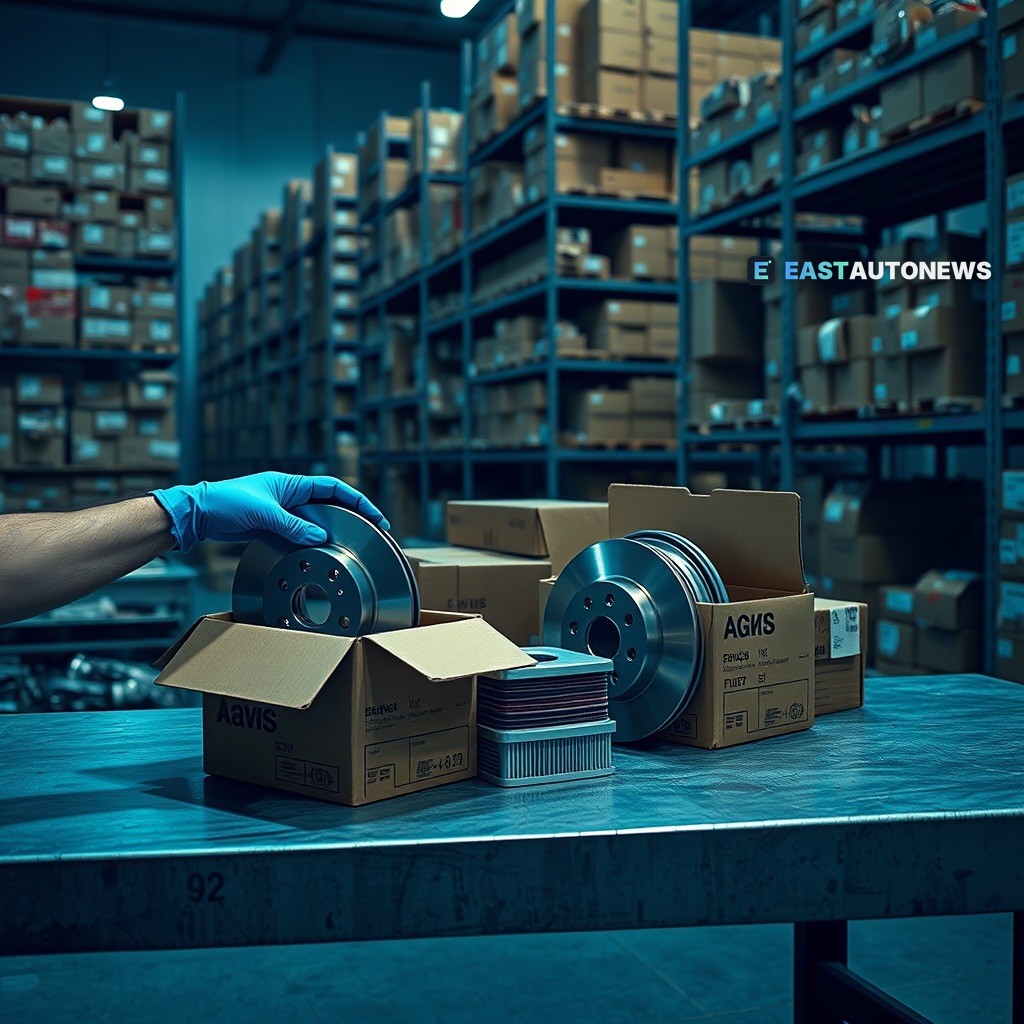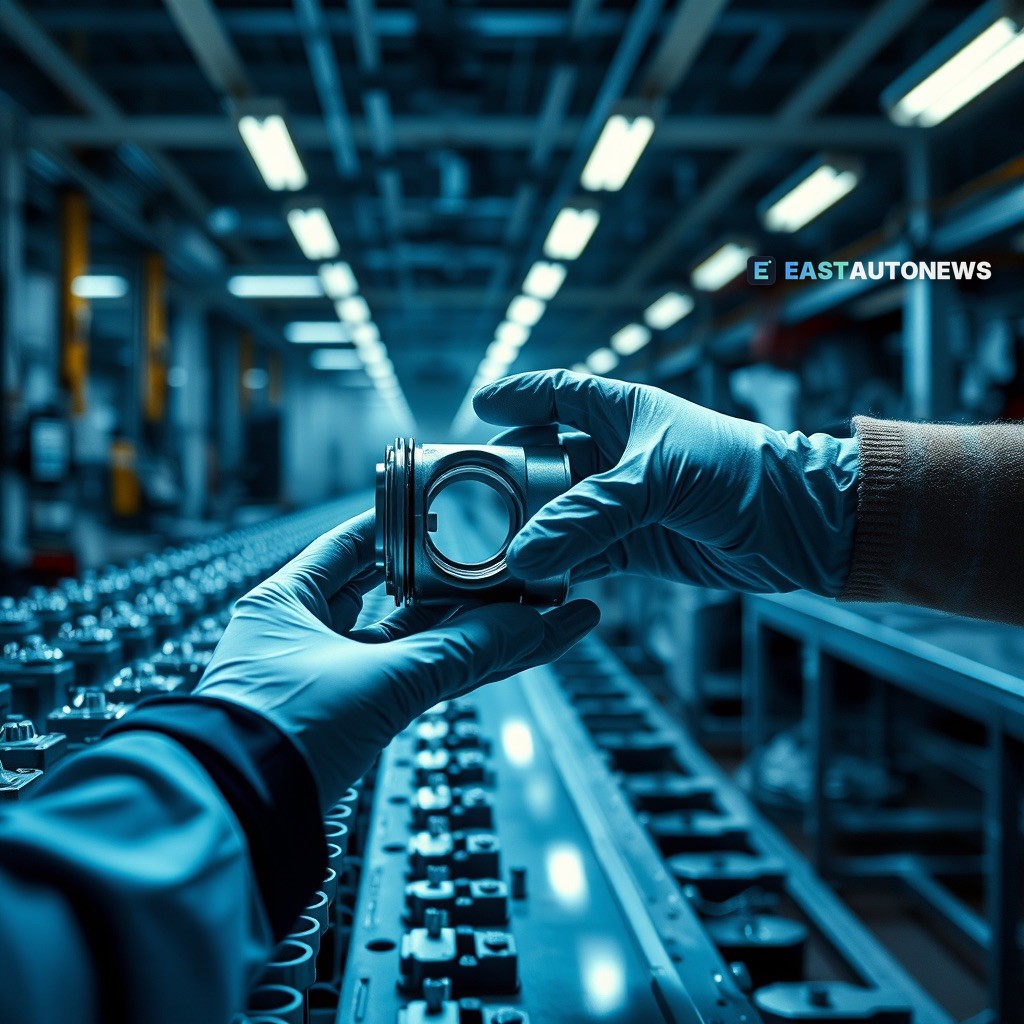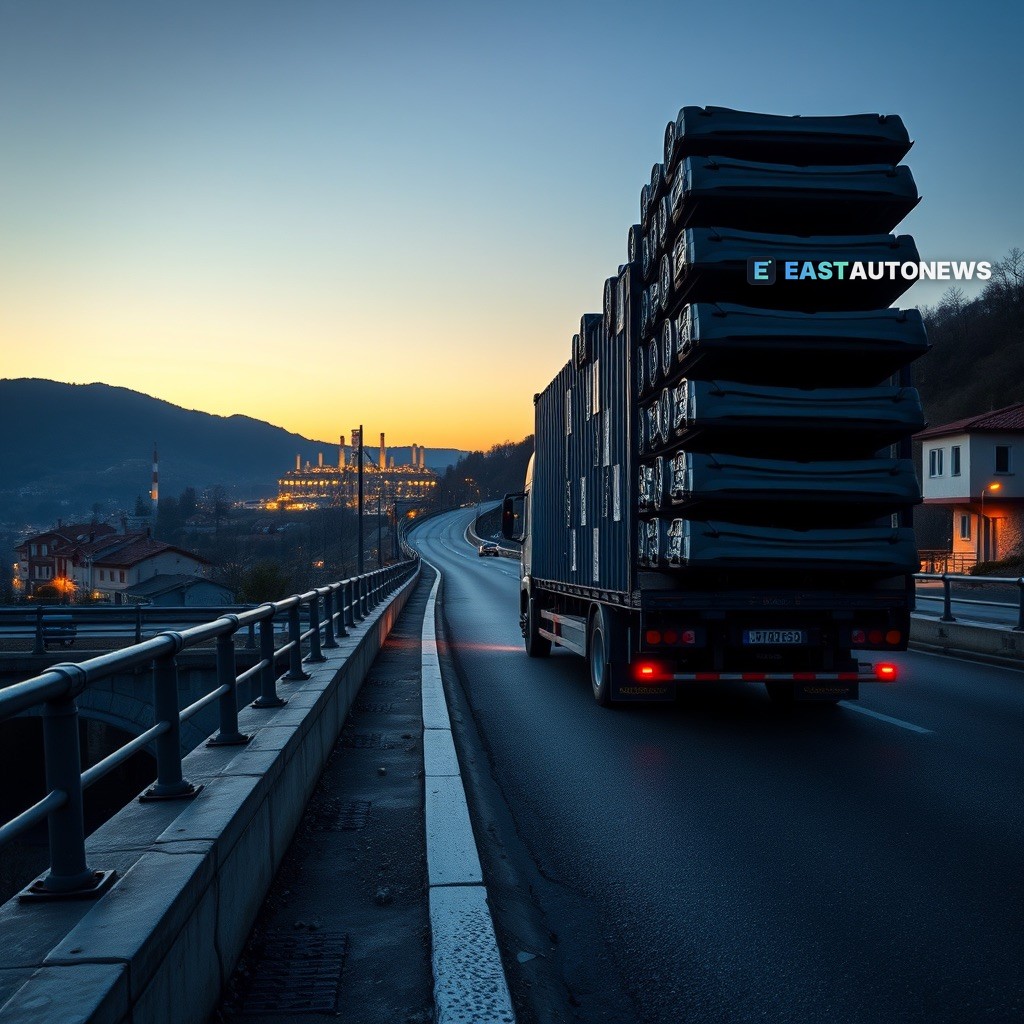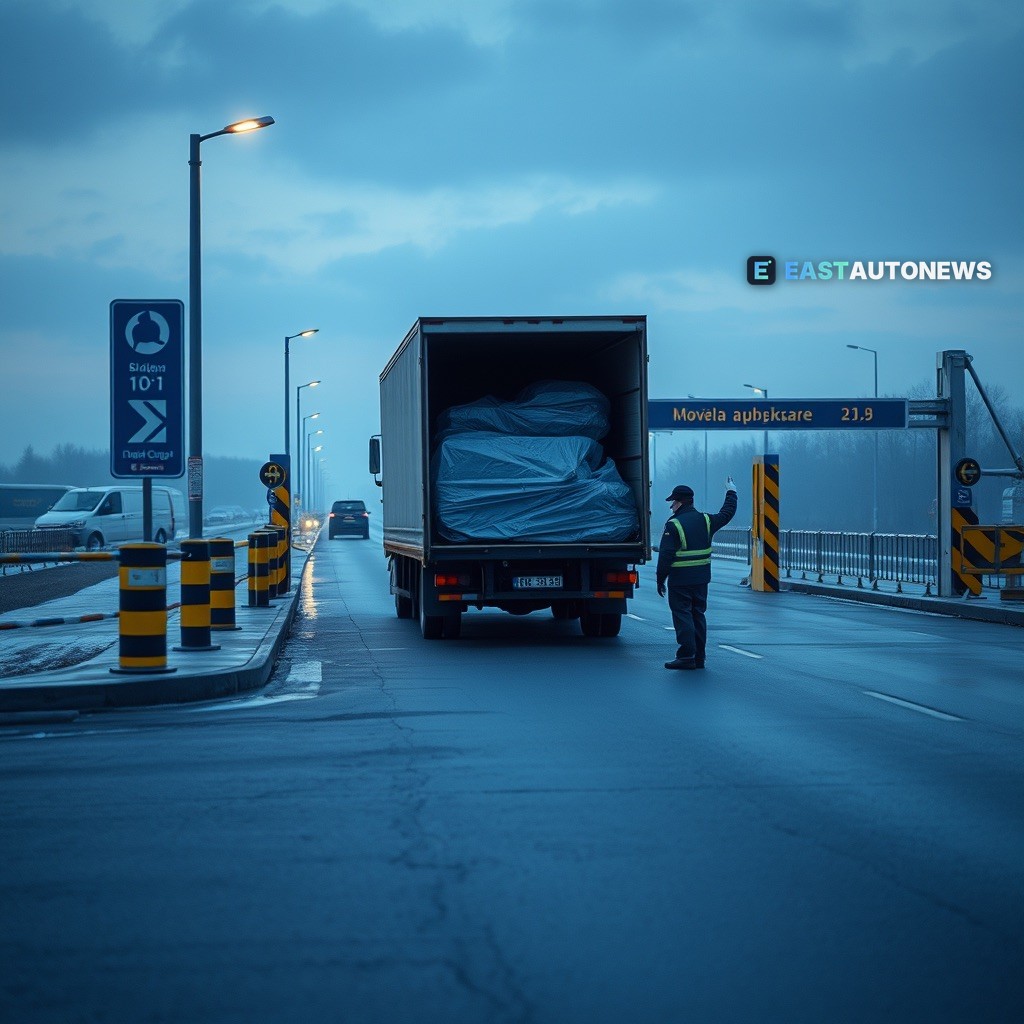
The loudest sound in the global supply chain right now is the collective nervousness over the EU's 'Made in Europe' agenda. But for Ukraine's automotive sector, the more interesting noise is coming from Chișinău: Moldova is cutting tariffs on Ukrainian goods transiting the country — a quiet customs reform that lowers the cost of moving Ukrainian output westward at precisely the moment European carmakers are being told, in effect, to buy European.
The plan, championed by Germany and France, has rattled suppliers far beyond the EU's borders. Cars imported from Japan would not qualify for EU subsidies, while models built in France, Portugal and Eastern Europe would benefit only if enough of their parts come from Europe. At the heart of the framework sits a blunt threshold: under the IAA, 70% of the total value of a vehicle's components — battery excluded — should be made in Europe. Turkey's auto exporters association, whose trade was worth €26.8 billion last year, is among those warning about rising costs and eroding competitiveness.
For Ukrainian suppliers, the arithmetic cuts both ways but leans promising. Every assembly plant in Eastern Europe chasing subsidy eligibility will now be hunting for European content, and Ukraine is a European source on the region's doorstep. Moldova's tariff cut on transit goods shaves cost from the corridor that carries Ukrainian goods toward EU customers — a logistics lever that strengthens the country's case as a competitive sourcing location just as cost pressure and content rules collide.