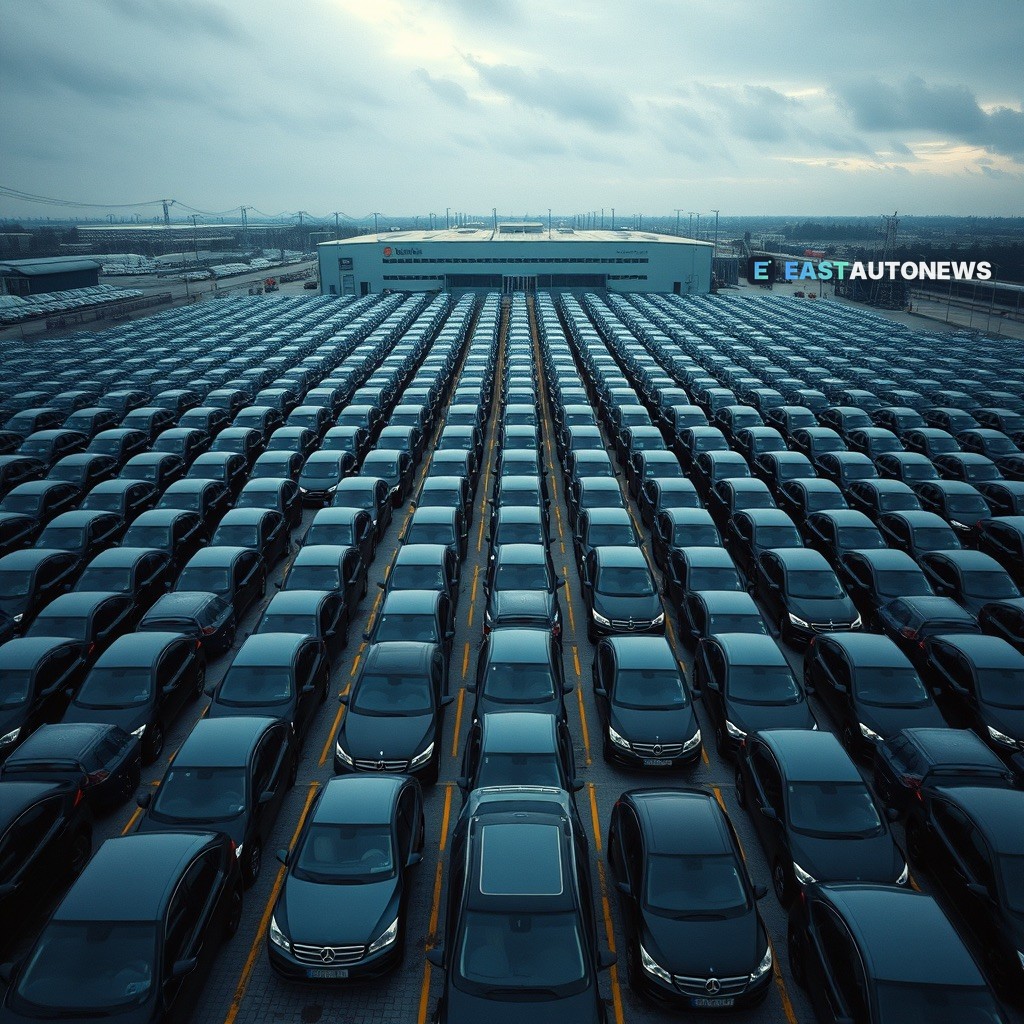
Brussels and Beijing are edging closer to a full-blown confrontation over cars, and the warnings are getting louder. Reports this week say mounting auto overcapacity is raising fears of mutual ruin for both China's and the EU's car industries — a scenario in which escalating measures and retaliation leave both sides poorer. Notably, the case for Brussels' actions is now being made in Beijing itself: Gu Yueping, an automotive industry commentator in the Chinese capital, has expressed understanding of the EU's measures — a sign of how far the debate has shifted.
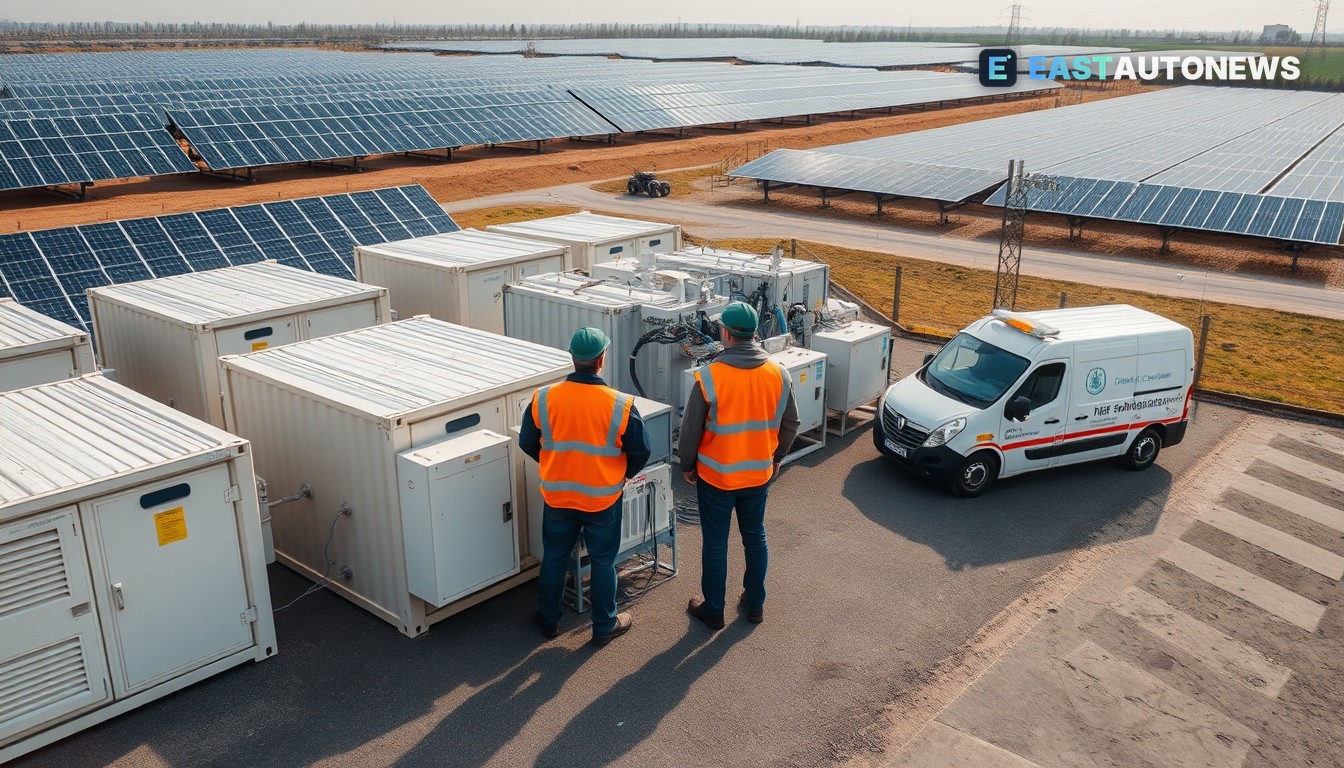
The trade data explains why tempers are fraying. According to the Council on Foreign Relations, Europe still runs an overall surplus in auto trade — but that surplus falls fast once trade in batteries is added to the automotive balance. The picture is further blurred because there is no clean split between batteries used for energy storage and those used by carmakers, making it harder to gauge how much of the erosion is genuinely automotive. In effect, the industry's most strategic input is quietly eating into a headline trade position that still looks comfortable.
Brussels' answer is taking legislative shape. The European Commission's Industry Acceleration Act (IAA) proposal — the so-called 'Made in EU' plan — has put new investment and supply processes on the agenda for automotive players well beyond the bloc's core. In Turkey, whose car industry is closely tied to European demand, the proposal is already prompting debate over where new investment will land and how sourcing patterns may shift. For suppliers across Central and Eastern Europe, it adds a fresh variable to investment decisions at a moment when battery supply chains and trade measures are already in flux.