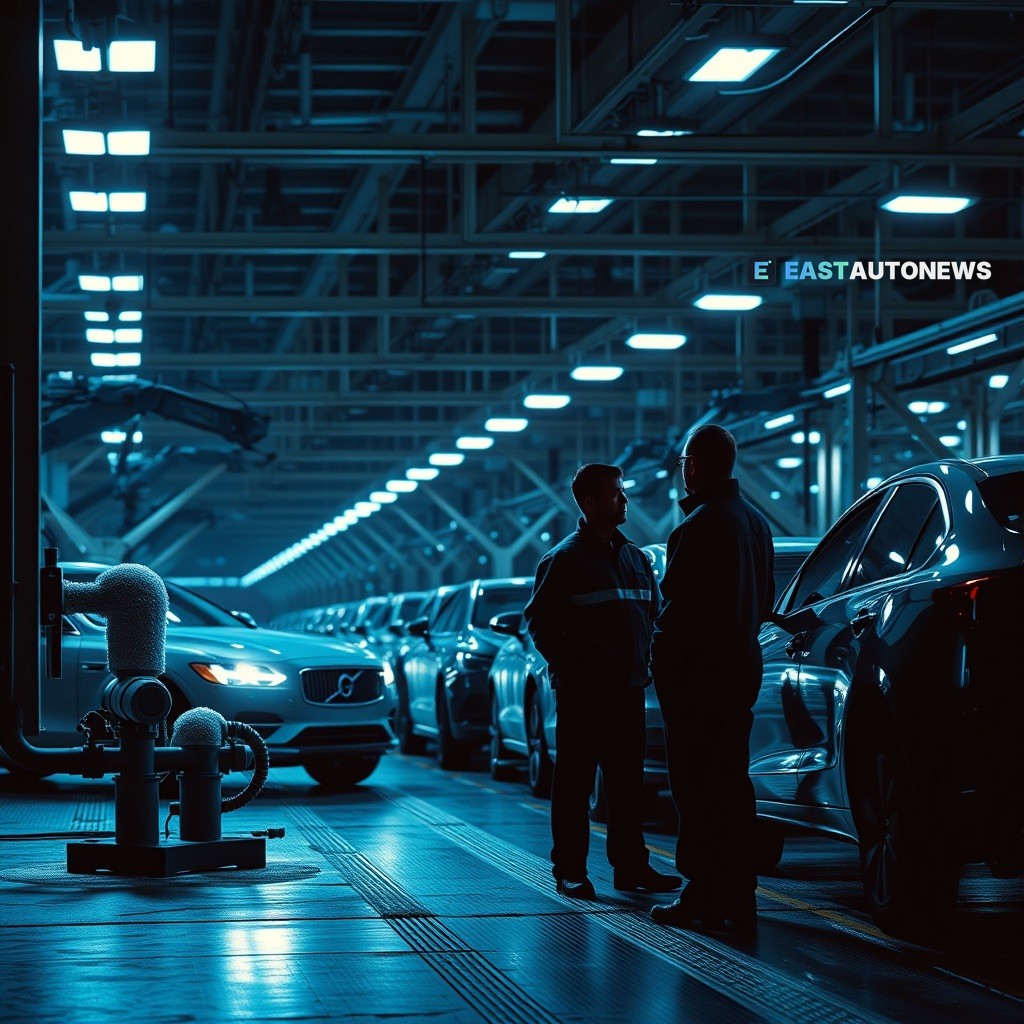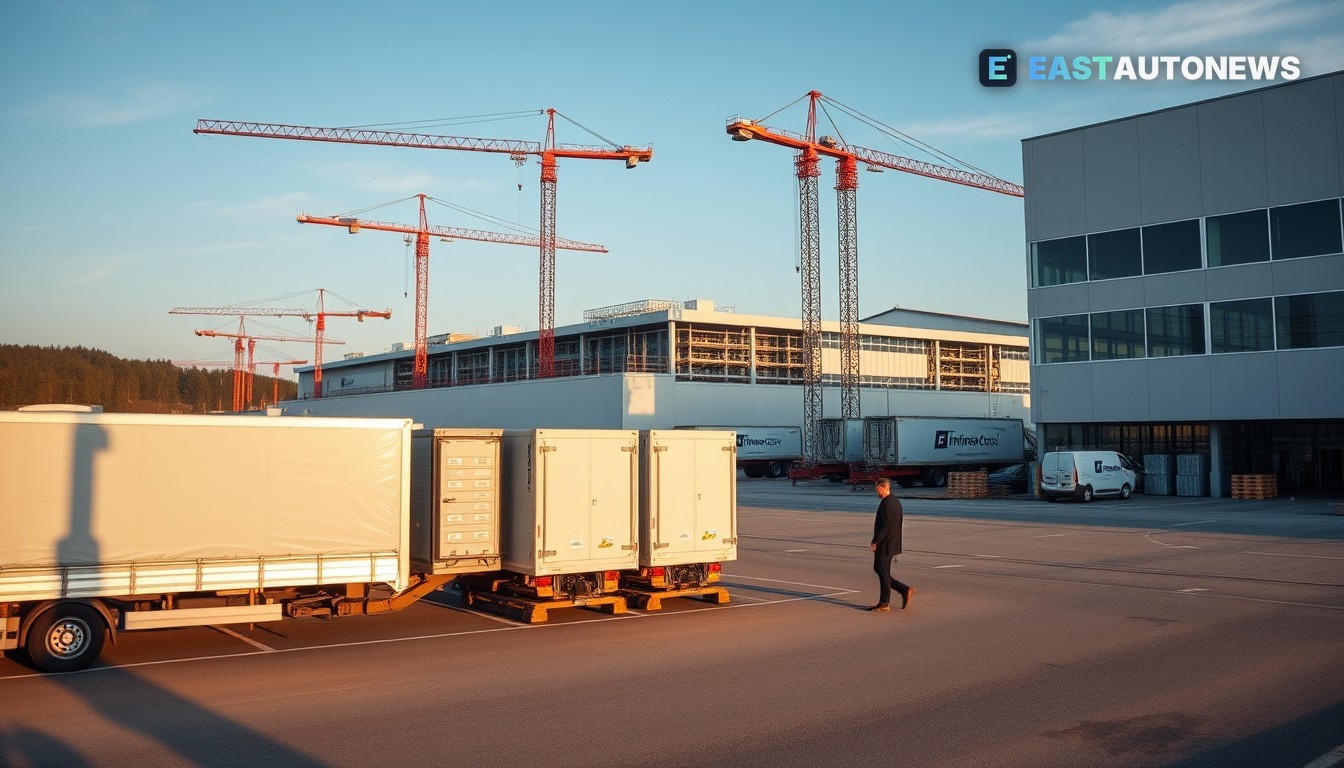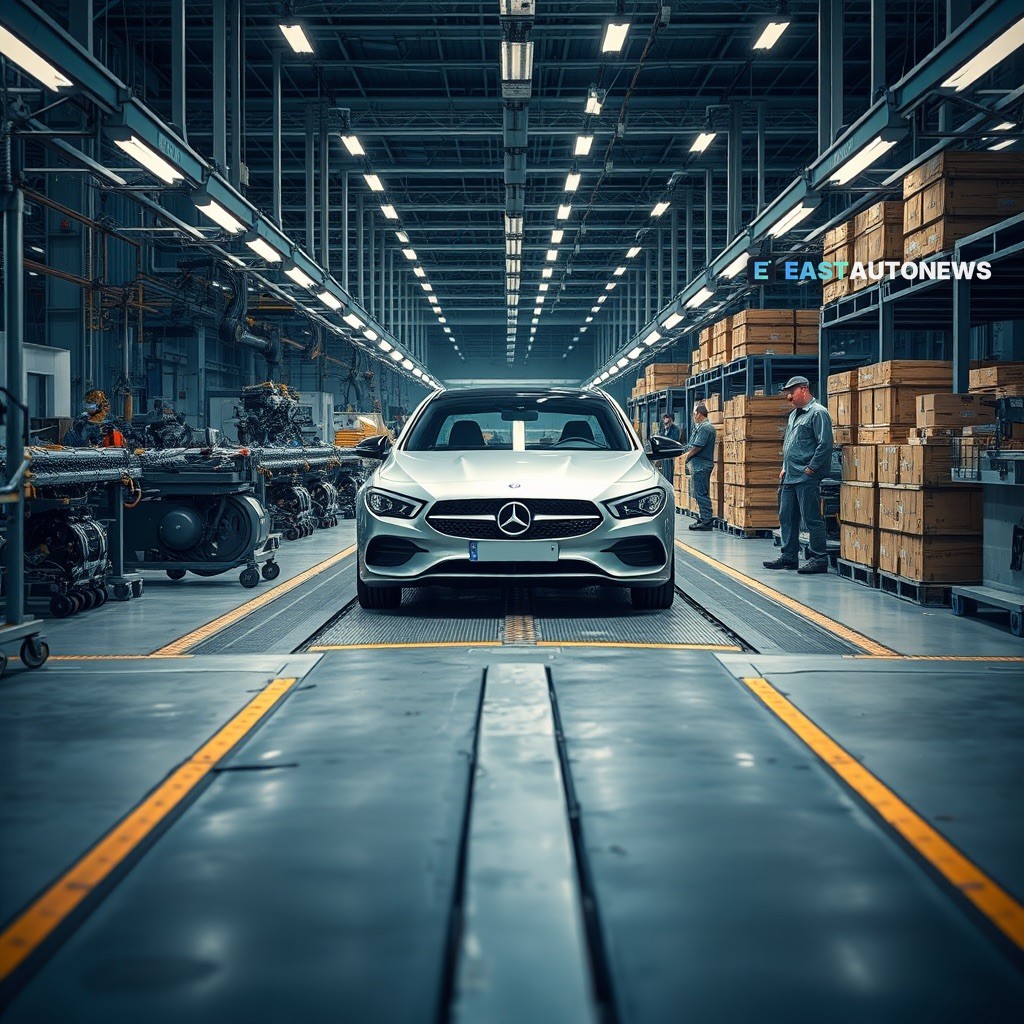
On a Polish shop floor, somewhere between a welding robot and a parts rack, a purchasing manager is re-reading one sentence from Brussels — and quietly recalculating a business. Under the EU's 'Made in Europe' plan, cars imported from Japan would not qualify for EU subsidies, while models built in France, Portugal and Eastern Europe would benefit — but only if enough of their parts come from Europe. For a country whose factories have long fed Europe's car industry, that little word 'if' is doing heavy lifting. It turns an entire national business model into a question mark with a price tag attached.
Poland's strength has always been integration. Its plants assemble vehicles for global brands, and a dense web of parts makers around them supplies components across the continent's supply chains. The Made-in-Europe plan doesn't threaten that network outright — it audits it. Under the proposal, the origin of every gearbox, chip and battery cell feeding a Polish-built car would help decide whether that car counts as 'European enough' to unlock Brussels' support. Suppliers who can prove deep European content suddenly become more valuable to their OEM customers; those dependent on inputs from further afield face awkward conversations about sourcing, cost and margins.
There is a second, quieter lesson here, and it comes from Poland's own region. A recent comparison of the Ukrainian and Polish car markets found two neighbours whose automotive realities diverge not by geography but by design — the product of policy rather than proximity. Poland's experience, that analysis argues, should be read through its policy changes: rules, not distance, determine what gets built, registered and driven. And the warning at the heart of that comparison travels far beyond the region's borders. Every vehicle must be calculated individually, as the analyst Buchatskyi puts it — because not every car from Europe is uneconomic, and not every car from America is a bargain.