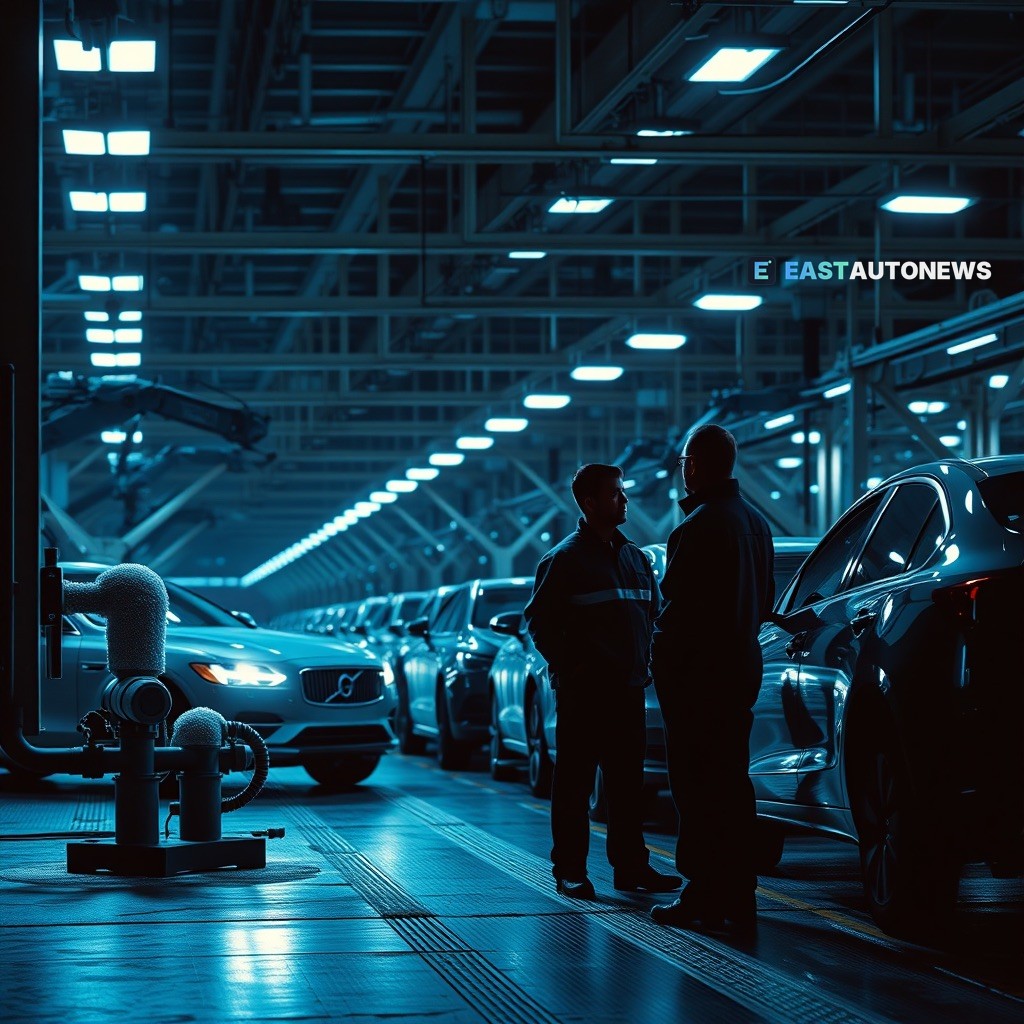
There are meetings that make news for what is said, and meetings that make news for happening at all. The recent session of the Russian-Slovak intergovernmental commission in Moscow belongs firmly to the second category: an EU member state calmly reopening a channel that most of Brussels treats as sealed shut. The subtext was impossible to miss — and it had everything to do with keeping factories running.
The reasoning behind the talks, as observers of the Moscow round describe it, is industrial self-defense. The European energy crisis is tightening its grip on the continent, and the recent talks can be seen as an effort to establish a protective shield over industry before that crisis completely devastates Eastern Europe's automotive sector. For Slovakia, part of the region's automotive heartland, waiting for the problem to solve itself is apparently not a risk policymakers are willing to take.
The move lands at a delicate moment, because the EU is simultaneously redrawing the rules of industrial support. Under Brussels' 'Made in Europe' plan, cars imported from Japan would not qualify for EU subsidies, and models built in France, Portugal and Eastern Europe would benefit only if enough of their parts come from Europe. The push has already unnerved global auto suppliers, who fear being squeezed out of subsidy-driven demand across the single market.