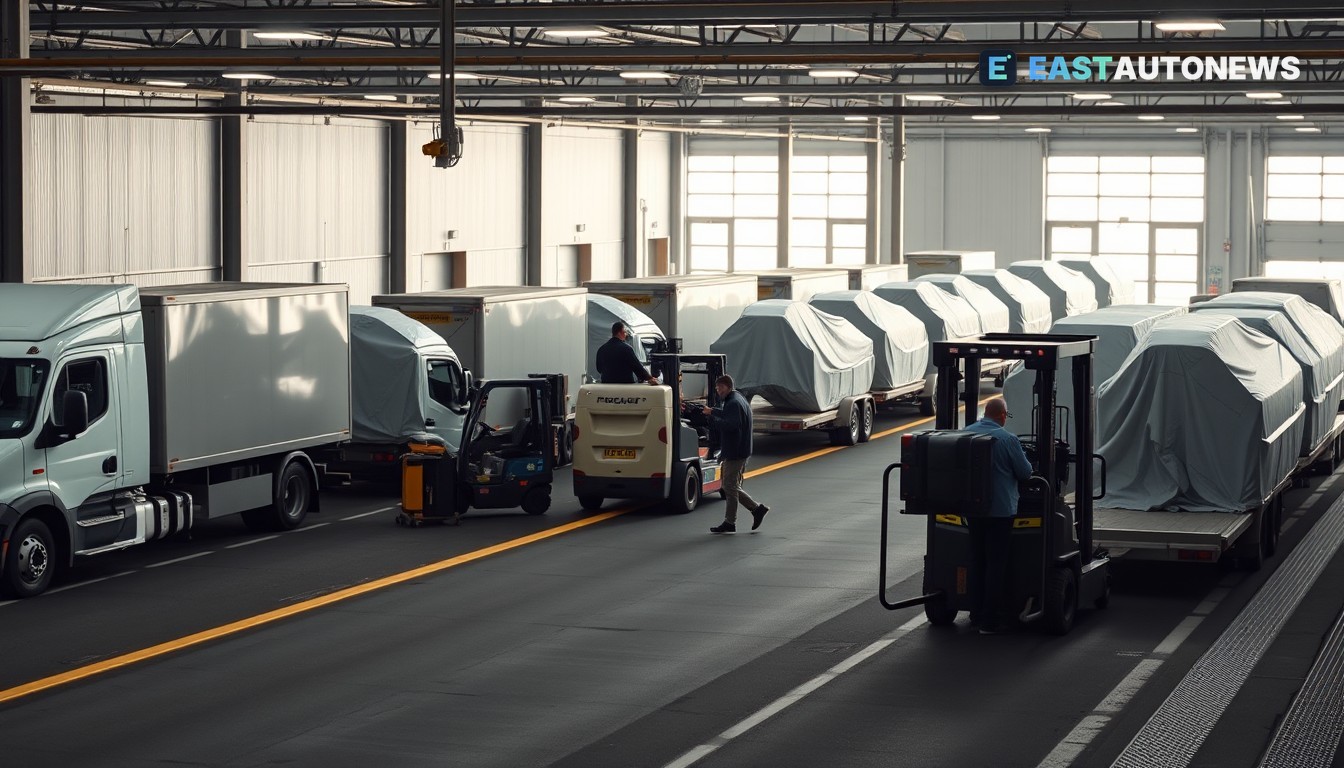
The countdown has started in Lovech. In a statement released last week, GWM (HKEX: 2333) confirmed the shape of its Bulgarian production base: a partnership with Bulgarian Automotive Industry (BAI), a facility in the Lovech area, and a first vehicle expected to roll off the line in the first quarter of 2027. The debut product is set to be a compact SUV — the volume heart of the European market, and the segment where a Chinese newcomer must prove it can build to local expectations, not just ship to them.
The choice of partner matters as much as the date. BAI operates a plant in Bahovitsa, in the Lovech area, and has cooperated with GWM before — so this is a deepening of an existing industrial relationship rather than a greenfield gamble. Financial details of the agreement were not disclosed. For Bulgarian suppliers, logistics firms and dealer groups, however, a fixed production date changes everything: an announcement becomes a pipeline of parts to source, lines to staff and vehicles to distribute.
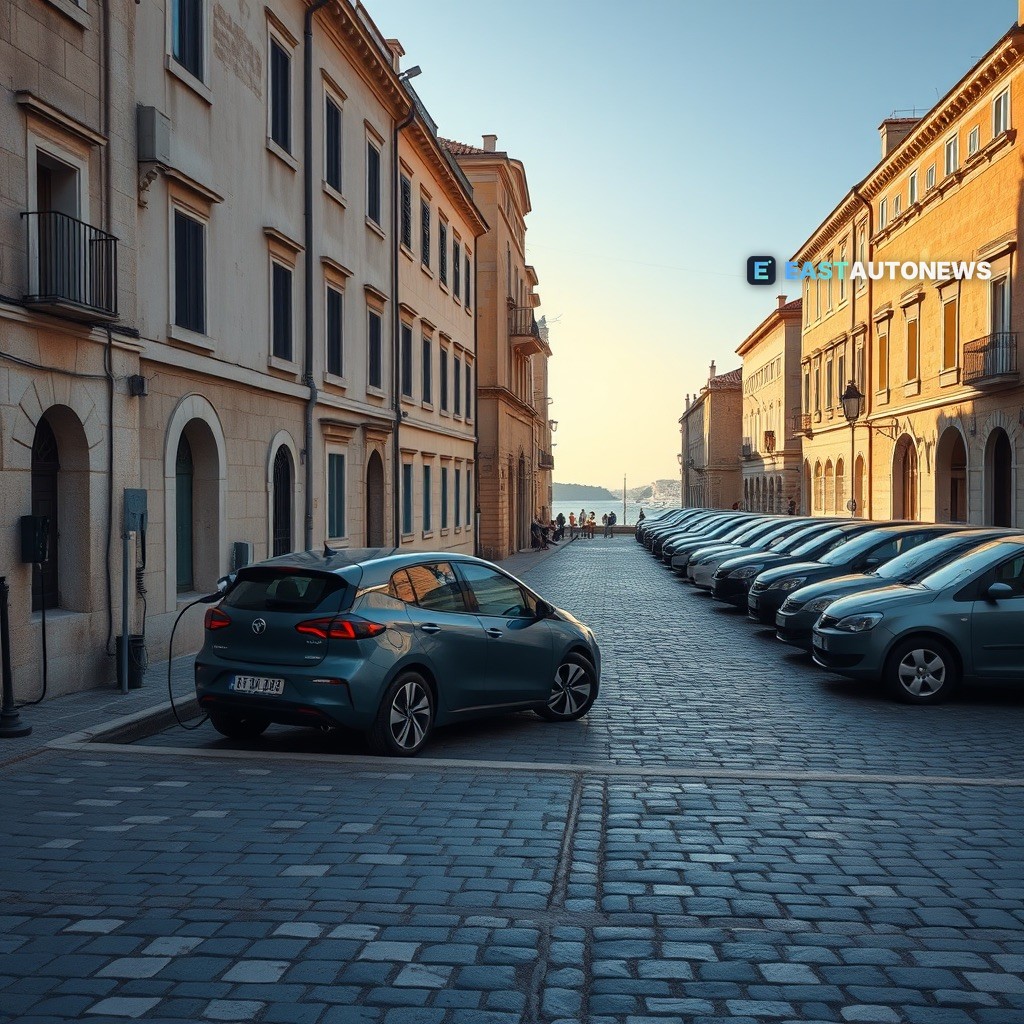
GWM's urgency is easy to read in its own numbers. The carmaker sold just 3,500 vehicles in Europe in 2025 — a 25.4 percent decline year-on-year — and it frames localized production and planned capacity as the tools it needs to compete more effectively with established rivals. The backdrop is shifting just as quickly: used Chinese EVs have surged 280 percent across Europe as buyers bypass tariffs and quotas, a signal that the rules of market access are being tested from every direction. For a brand whose import volumes are modest and falling, building inside the EU's walls looks less like expansion and more like strategy.