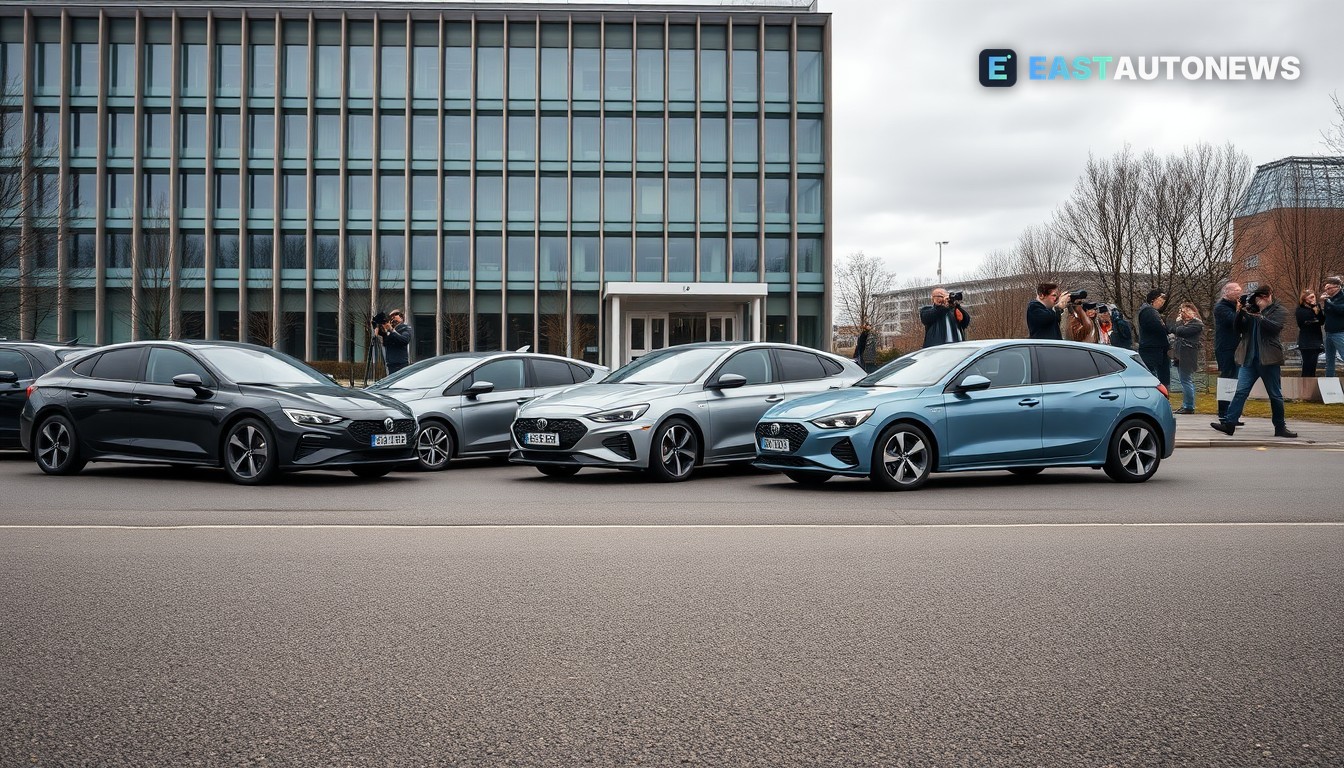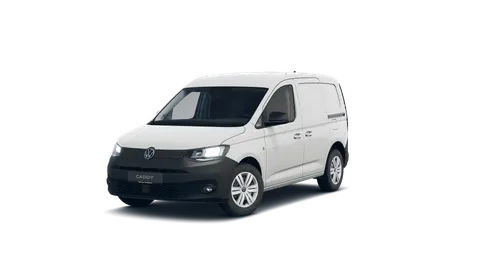
In Mioveni and Craiova, the two towns that anchor Romania's car industry, a single sentence from Brussels is being read with unusual care: only electric vehicles manufactured in the European Union will be eligible for EU subsidies and public procurement. The rule, part of the bloc's “Made in Europe” push, has already unnerved global auto suppliers — and with good reason. Cars imported from Japan, for instance, would not qualify for EU subsidies at all. Romania, by contrast, sits squarely on the right side of the new wall: every vehicle rolling out of its factories is EU-made by definition.
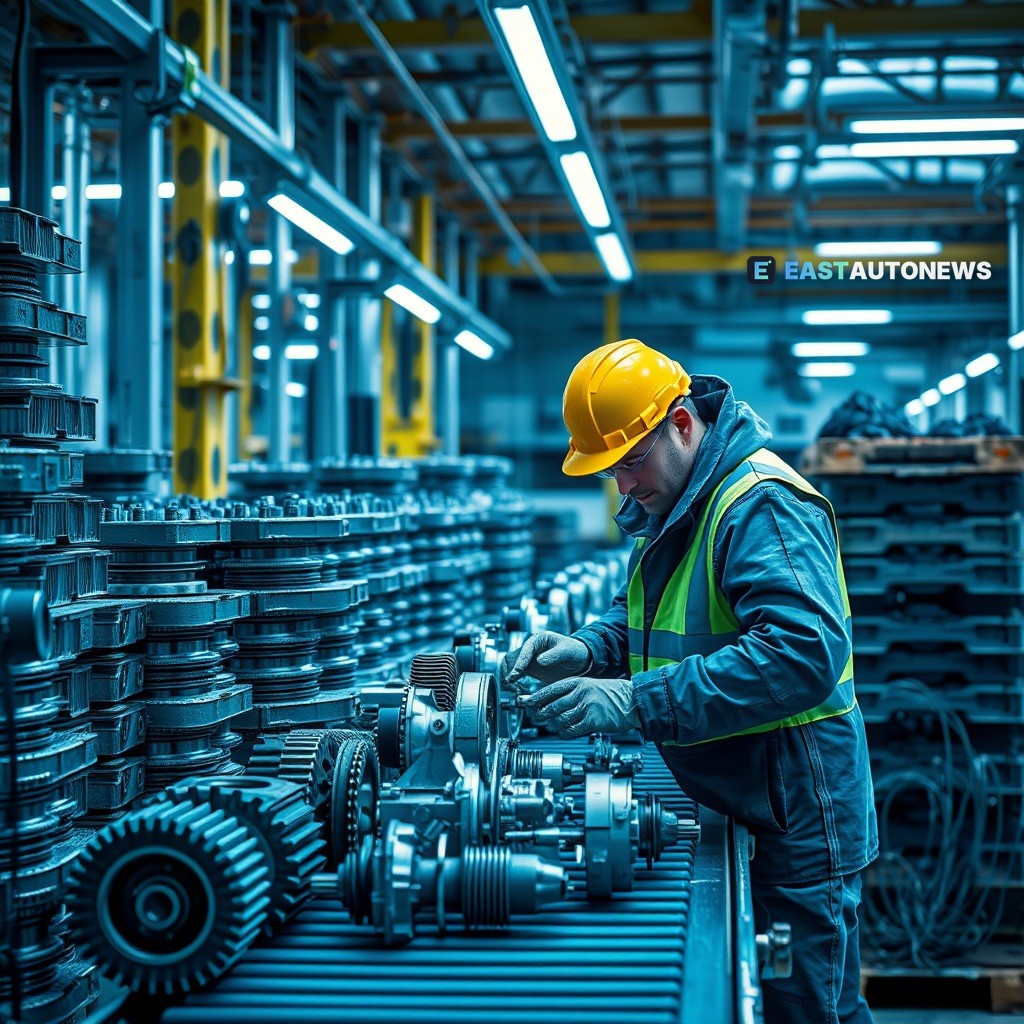
But geography only buys the entry ticket. Under the emerging framework, models built in France, Portugal and Eastern Europe would benefit only if enough of their parts come from Europe. That turns the bill of materials into a strategic document for Romanian manufacturers — and puts the country's dense community of parts makers at the centre of the conversation. The question is no longer just where a car is assembled, but what it is assembled from.
The sharpest reaction has come from Tokyo. Japanese automakers are wary of the new EU regulations, NHK reported, and one outlet described the mechanism bluntly as a “trap” for Asian electric vehicles. For Asian brands the arithmetic is unforgiving: the European state's wallet is being reserved for European production. For Romania, though, the same arithmetic reads as an opening — its assembly lines are inside the wall, and support that once might have leaked abroad now points toward them.