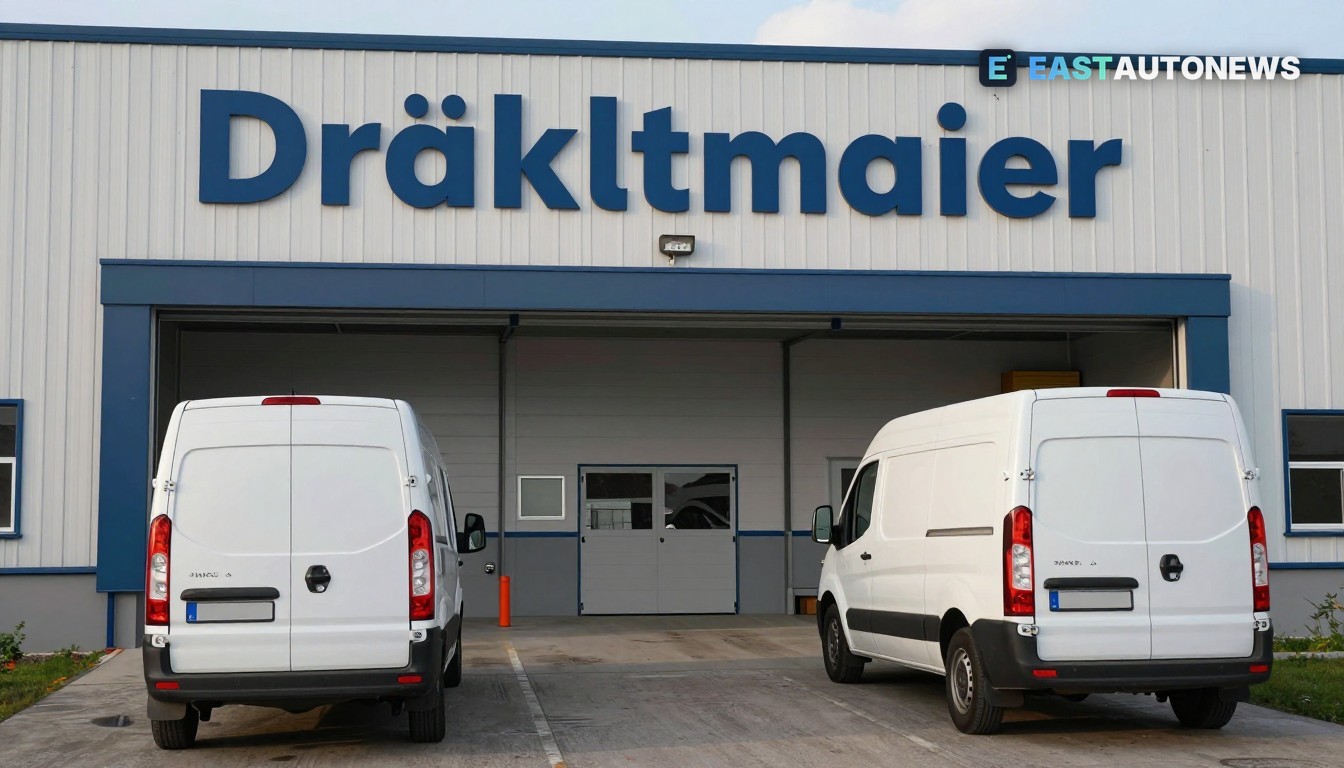
German automotive supplier Dräxlmaier has told staff it will stop production at its Zrenjanin plant by the end of January 2027 and close the factory completely by the end of March 2027, after failing to secure new projects for the site. The company said the step follows extensive efforts to find sustainable work for the 19‑year‑old facility.
The facts
The notice to employees, signed by Dräxlmaier’s head of operations for Eastern Europe, Guido Meinelt, and the group vice‑president for HR, Tobias Afsali, states current projects will be wound down by the end of January and the plant shut by 31 March 2027. The firm said the phased reduction will affect around 85% of staff during the wind‑down and that severance will be paid under the company's redundancy programme and the plant’s collective agreement.
The Zrenjanin complex began production on 9 May 2008 and grew through two expansions (2012 and 2016). The site once employed more than 6,000 people at its peak; current payroll stands at roughly 1,100 employees.
Dräxlmaier is a major wiring‑harness and interior systems supplier to premium manufacturers—including Audi, BMW and Volkswagen—and its product range covers wiring systems, high‑voltage components and battery systems used across internal‑combustion and electric models. That client list makes the Zrenjanin closure material for vehicle makers and component chains in Central and Eastern Europe.
Immediate market ripple
Although Dräxlmaier is a global group with production spread across many countries, the loss of a long‑established CEE site removes local capacity for wiring harness production and late‑stage assembly that many OEMs rely on for just‑in‑time delivery. Local media and trade outlets flagged the decision this week as another sign of pressure on suppliers in the region amid weaker-than‑expected project wins and shifting OEM sourcing.
What this means for the market
First, the closure reduces regional wiring‑harness capacity and may force OEMs and tier‑1 buyers to reallocate orders within Dräxlmaier’s network or to rival suppliers—potentially raising logistics costs and lead times for Central and Eastern European assembly plants. Second, the social and political fallout in Zrenjanin will focus attention on how CEE governments manage supplier transitions and support displaced workers, an issue already visible in other recent supplier restructurings. Finally, the move underlines the exposure of CEE supply chains to project‑win volatility: sites dependent on a small number of large programmes face rapid downturns when orders do not materialise.
Dräxlmaier said it will honour contractual severance arrangements and manage a phased shutdown; the company has not disclosed re‑allocation plans for programmes previously produced in Zrenjanin. Local authorities and labour representatives will be central to next steps in the coming months.
B2B vehicle listings on WorldTrader24 →
Sources: Beta, N1, Tanjug, Dräxlmaier, eKapija