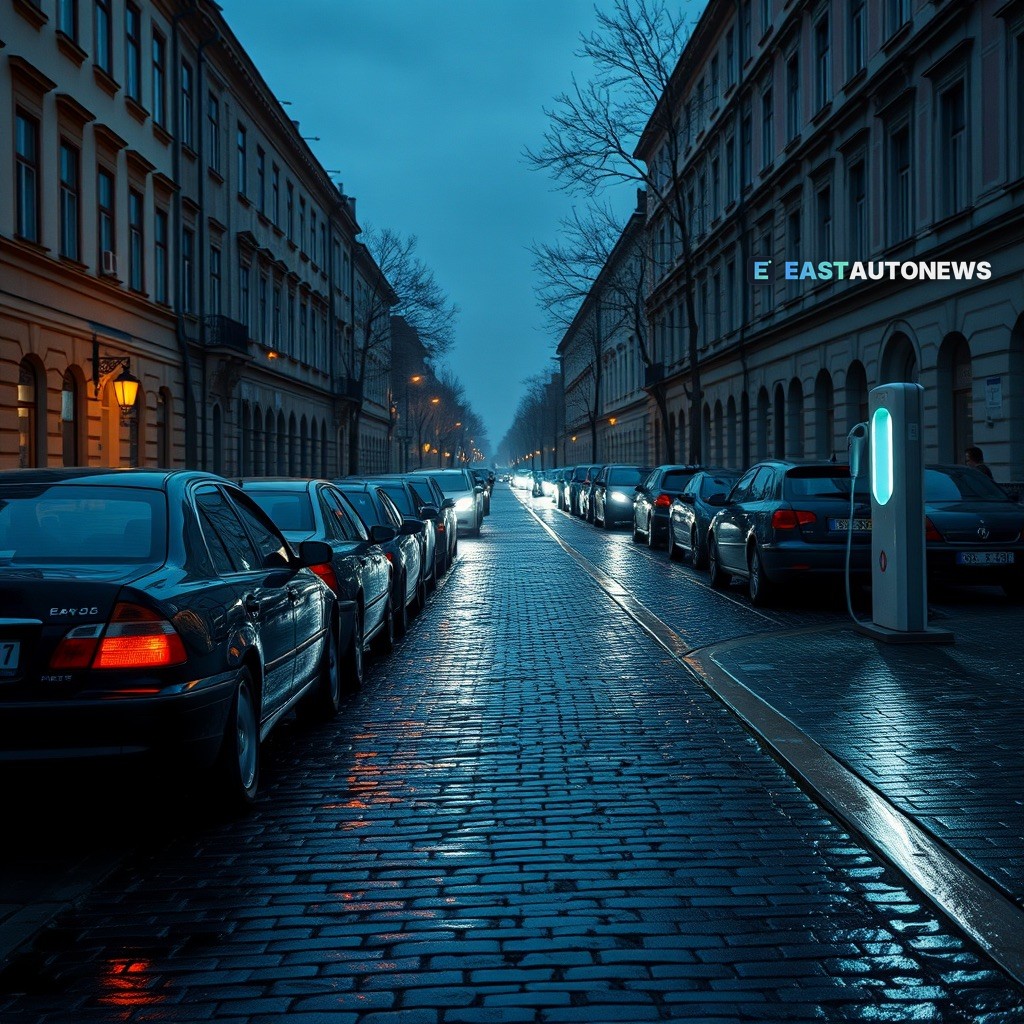
While Brussels fine-tunes its 2035 CO2 rulebook and charging operators race to wire up the continent, Latvia's car market is quietly telling a different story. A fresh analysis by SEB banka shows the Baltic country is still dominated by used diesel cars — and half of all imported vehicles carry just four badges: BMW, Mercedes-Benz, Audi and Volvo. In a Europe supposedly pivoting to electric, Latvia's dealer forecourts remain stocked with German and Swedish diesel iron.
The SEB banka picture underscores a distinctive buying culture. Latvian buyers largely bypass new budget models and reach instead for premium-badged used vehicles — the German trio of BMW, Mercedes-Benz and Audi, plus Volvo — a flow that keeps trade lanes from Germany and Sweden into Latvian ports and showrooms busy. For importers, leasing desks and parts distributors, that concentration is a strategic fact of life: serve four brands well, and you serve half the market.
The wider backdrop is steadier than the headlines suggest. Automotive consultancy Inovev forecasts that European sales of sedans and SUVs in 2035 will land roughly where they stand today — 16.7 million versus 16.9 million in 2026 — a scenario of a steady forecast but a turbulent future, in which the total barely moves even as the technology underneath is transformed. Eastern Europe's market is pegged at 3.4 million units, up 0.6%, a modest but resilient advance that keeps the used-vehicle trade commercially vital.