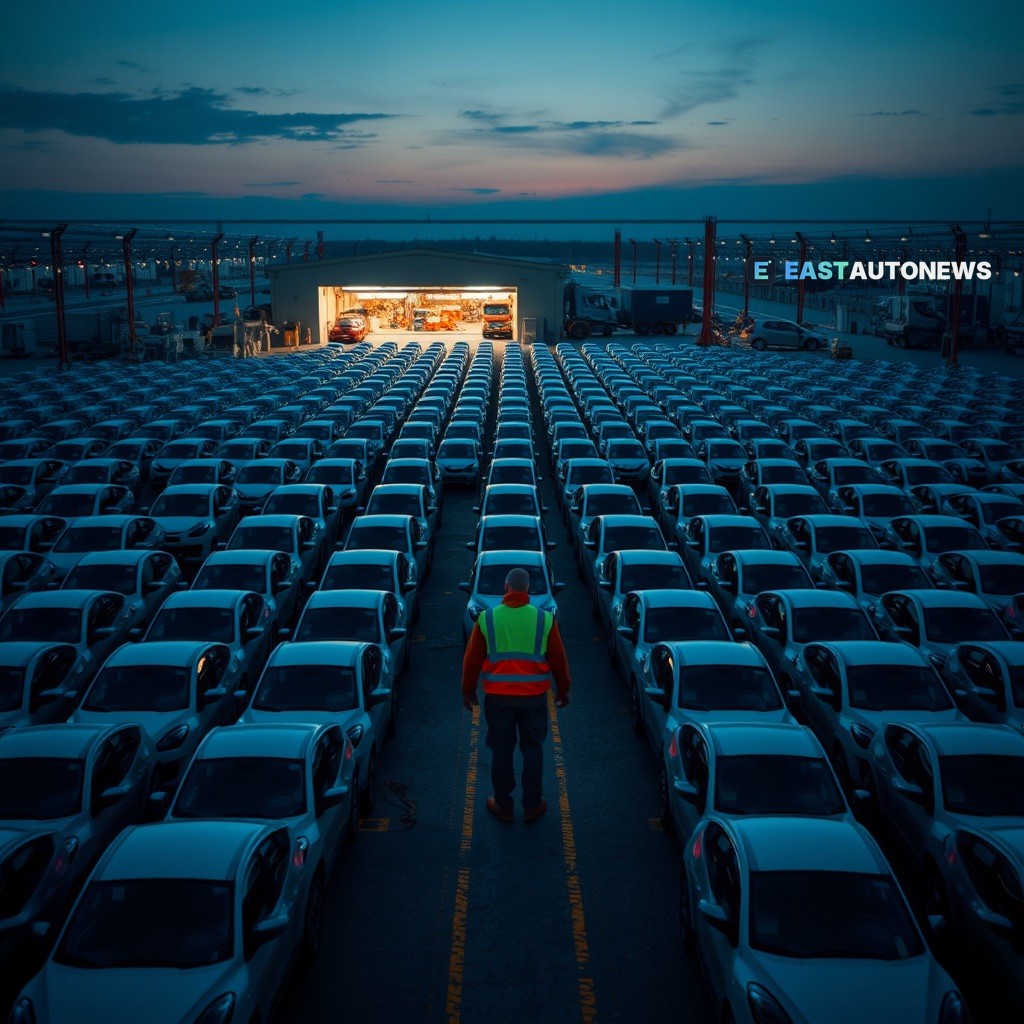
BYD, China's biggest automaker, delivered 305,743 pure electric vehicles in October — a single-month figure that exceeds what the entire U.S. market sold in the whole third quarter, as Trending Topics reports. The record underlines the industrial scale behind the Chinese EV offensive, and it lands just as the company is embedding itself deeper in both Europe and Latin America.
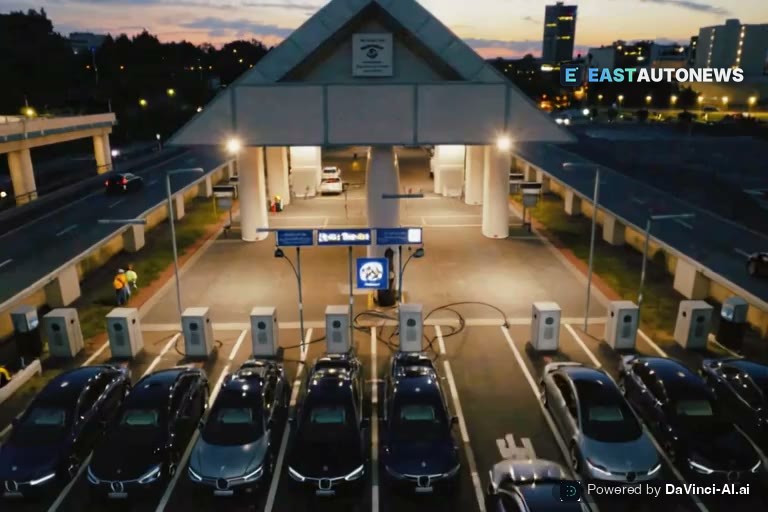
In Europe, the groundwork is already visible. BYD has started building its own charging network with flash chargers in Germany, and its first European plant in Szeged, Hungary — a project that has seen delays — is due to begin series production. For Central and Eastern Europe, the significance is straightforward: the region will host the production base from which BYD plans to serve European demand.
The same playbook is unfolding in Latin America. Bloomberg reported on 3 November that BYD has more than doubled its market share in Brazil in the year since it began assembling vehicles in Latin America's biggest economy, with a further plant under consideration. Reuters, as cited by ad-hoc-news, reported on 23 October that the automaker is seeking approvals to double the annual capacity of its Brazilian plant to 600,000 vehicles, while BYD Brazil manager Alexandre Baldy has also set a target for local sourcing.
Not every government is rolling out the welcome mat, however. Thailand plans to raise taxes on imported EVs to 35% in a push to protect local production, raising the barrier for completely built-up (CBU) imports. According to Thailand Business News, the country's surge in EV demand has primarily benefited foreign assembly lines, putting pressure on local supply chains and component manufacturers — a dynamic that explains why market access is increasingly tied to local manufacturing, and why plants such as Szeged matter politically as much as commercially.