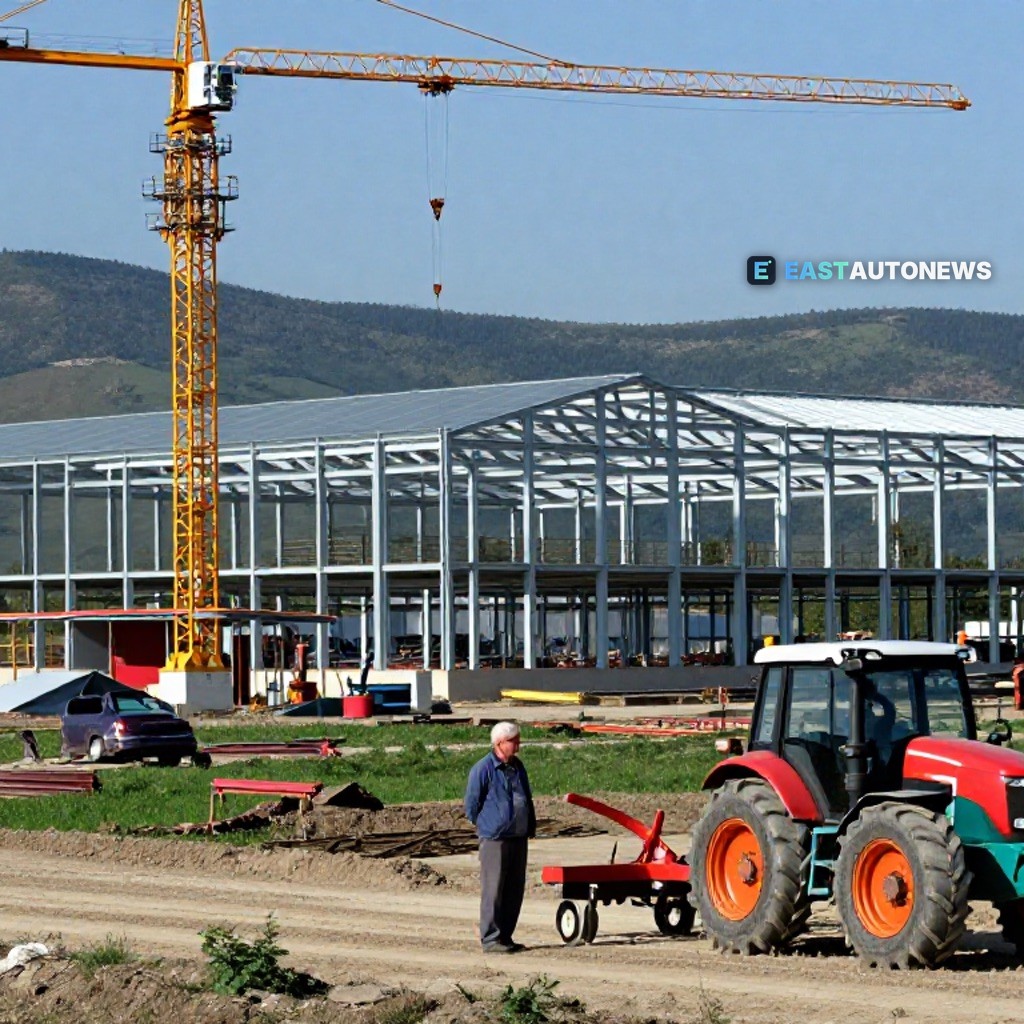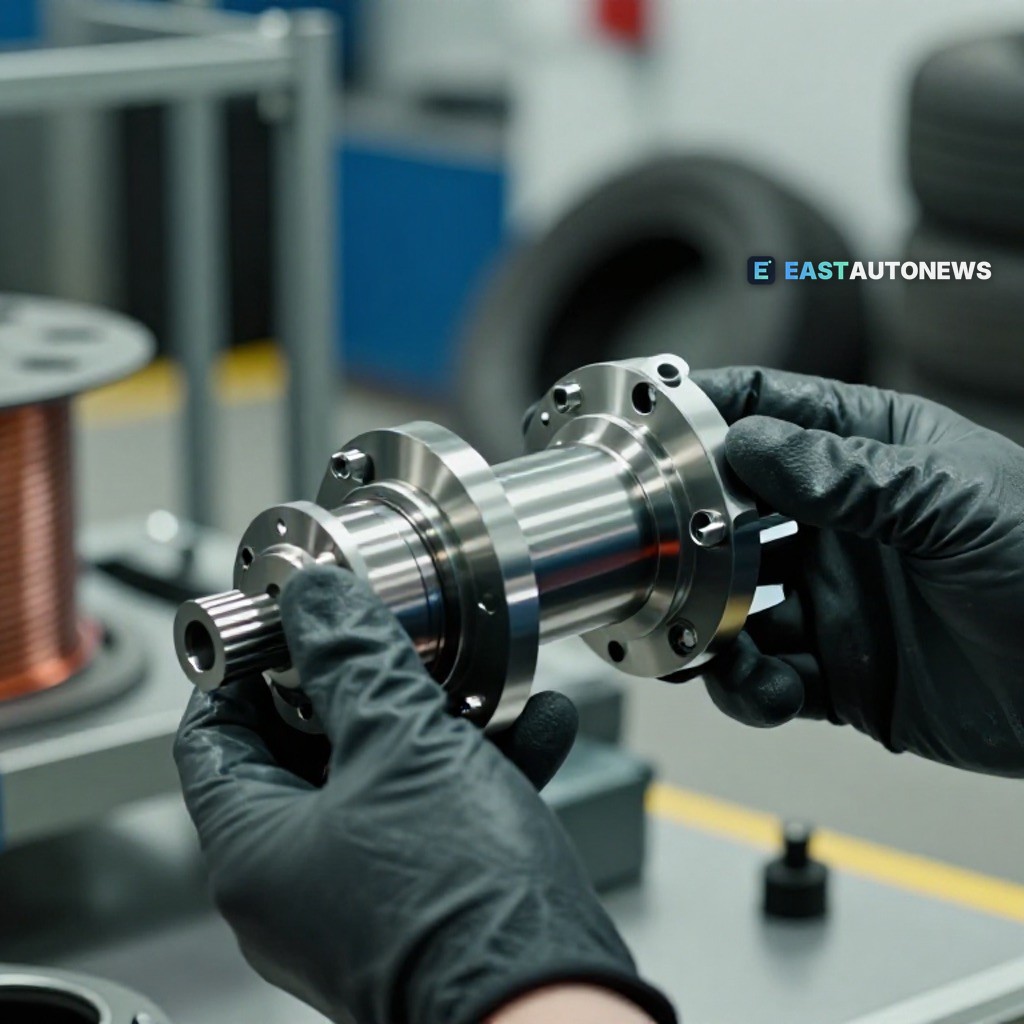
Belgrade's politics may be in flux, but one thing in Serbia is not: the hunt for new markets. The country's new authorities, according to reports, will seek to join the EU without imposing sanctions against Russia — yet business keeps searching for opportunities no matter who governs, and once again the representatives of the Celestial Empire are ahead in the Balkans. Their latest move is an automotive components plant, and what makes it notable is not its size but its level.
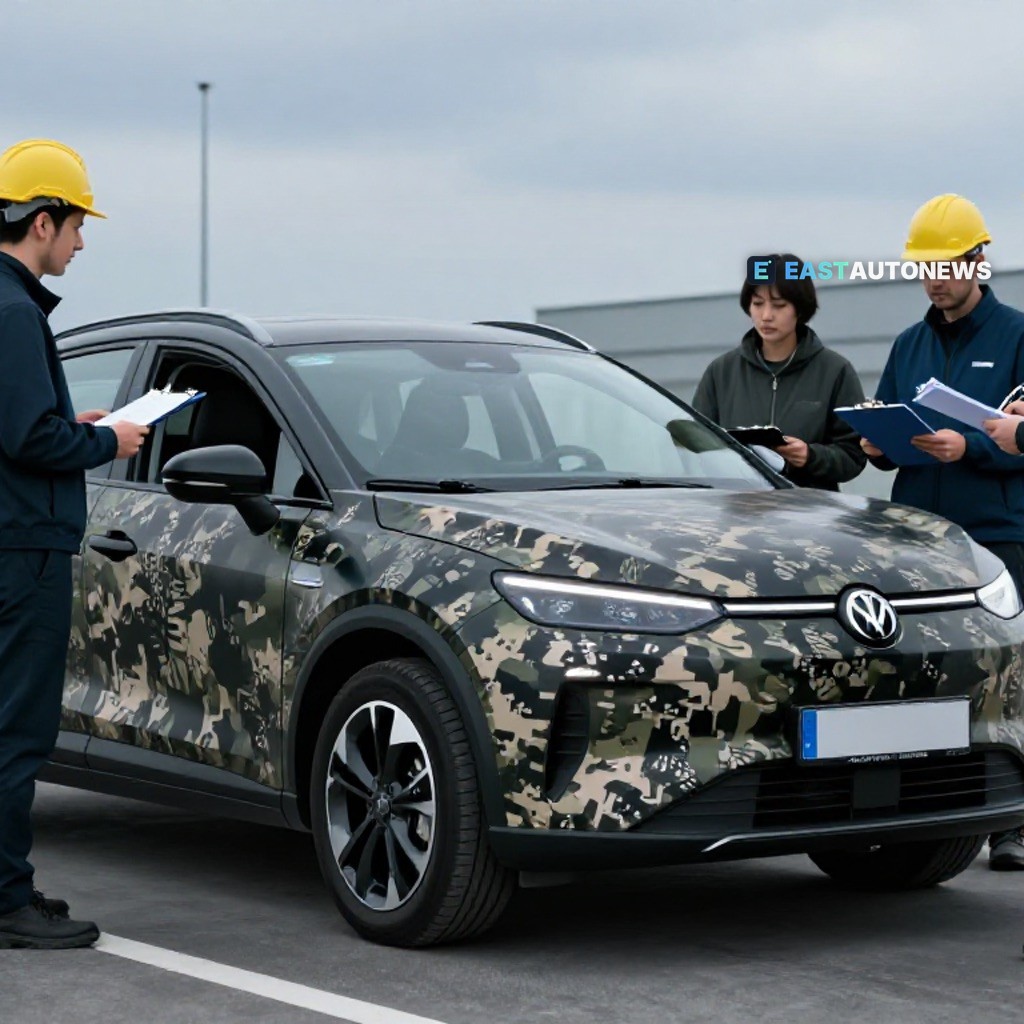
For years, Chinese engagement in Serbia ran through the lower rungs of the value chain: raw materials such as copper and steel, and mass production such as tires. A components plant changes that equation. This is high-precision manufacturing — the kind that plugs directly into European automotive chains — and it is landing in a country where automotive manufacturing already ranks among the key sectors driving the economy, alongside energy, machinery and mining. Serbia's industrial exports, after all, focus on automobiles, base metals and machinery.
The timing is instructive. The new authorities in Belgrade will pursue EU accession while refusing to sanction Russia — a tightrope act that keeps figures such as Aleksandar Vulin, the former intelligence chief who now serves as defence minister, and Dušan Bajatović, director of state gas company Srbijagas, at the center of public life. For Chinese investors, a country that courts Brussels while keeping channels eastward open is a comfortable place to do business. For European carmakers, it means a precision supply base is quietly growing on the EU's doorstep.
Belgrade, for its part, is not leaving its own industry on the sidelines. Defence Minister Vulin has said the army plans to invest 266 million dinars — roughly $2.8 million, or 2.2 million euro — in vehicles produced by state-owned Fabrika Automobila Priboj. Modest by industry standards, the order signals that Serbia intends to keep its homegrown vehicle maker in the game even as foreign capital redraws the sector's map.
The state is also hedging on the logistics side. Serbia is preparing a major expansion of gasoline and diesel storage facilities on the Danube, with the complex set to grow more than one and a half times and reception and shipment capacity expanding to match — stocking up for a "rainy day," as one report puts it. Add it all up, and the picture is consistent: whatever coalition ends up governing in Belgrade, Chinese capital is climbing Serbia's automotive value chain, and the country's industrial base is climbing with it.
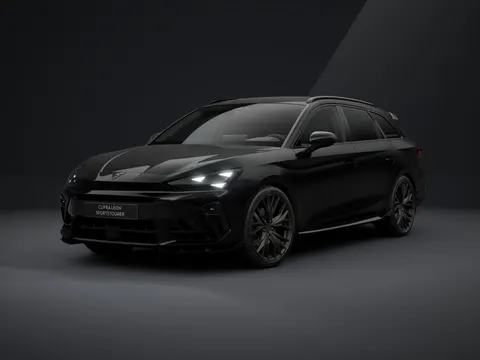
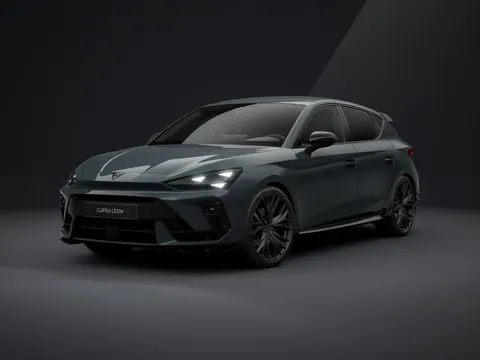
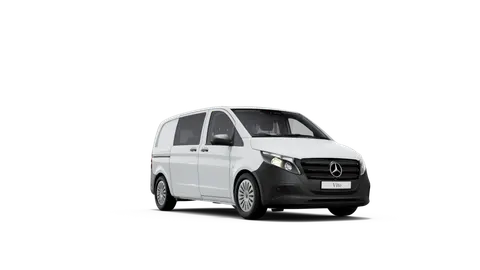
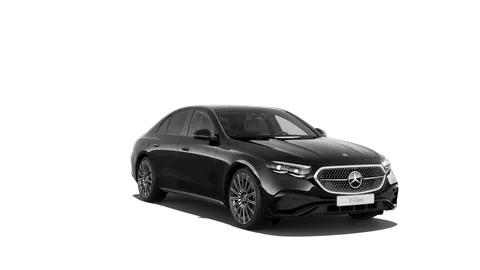
For all the maneuvering over supply chains and sanctions, the market for vehicles keeps moving — and so do buyers. Readers looking for their next car can find sensational cars at sensational conditions at WorldTrader24, Europe's marketplace with over 70,000 vehicles.
WorldTrader24 B2B vehicle marketplace for dealers and wholesalers →