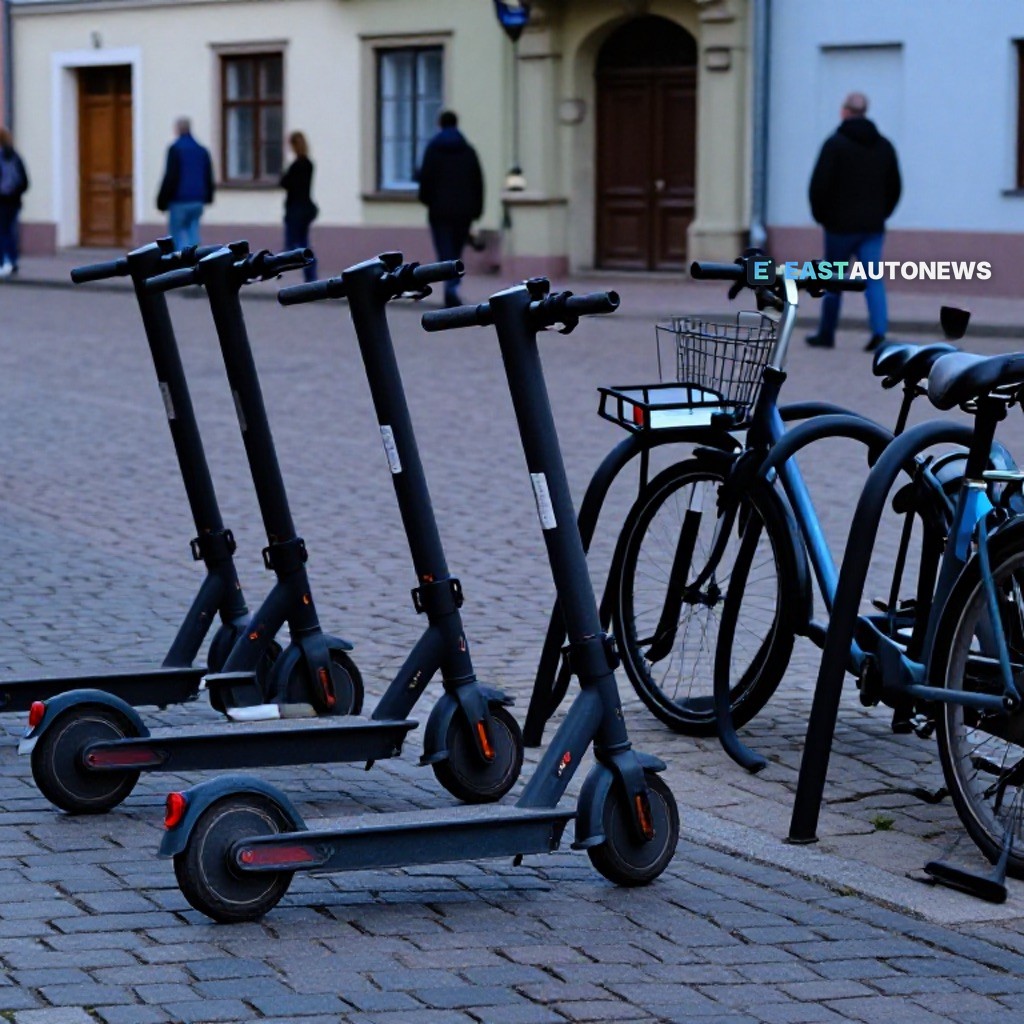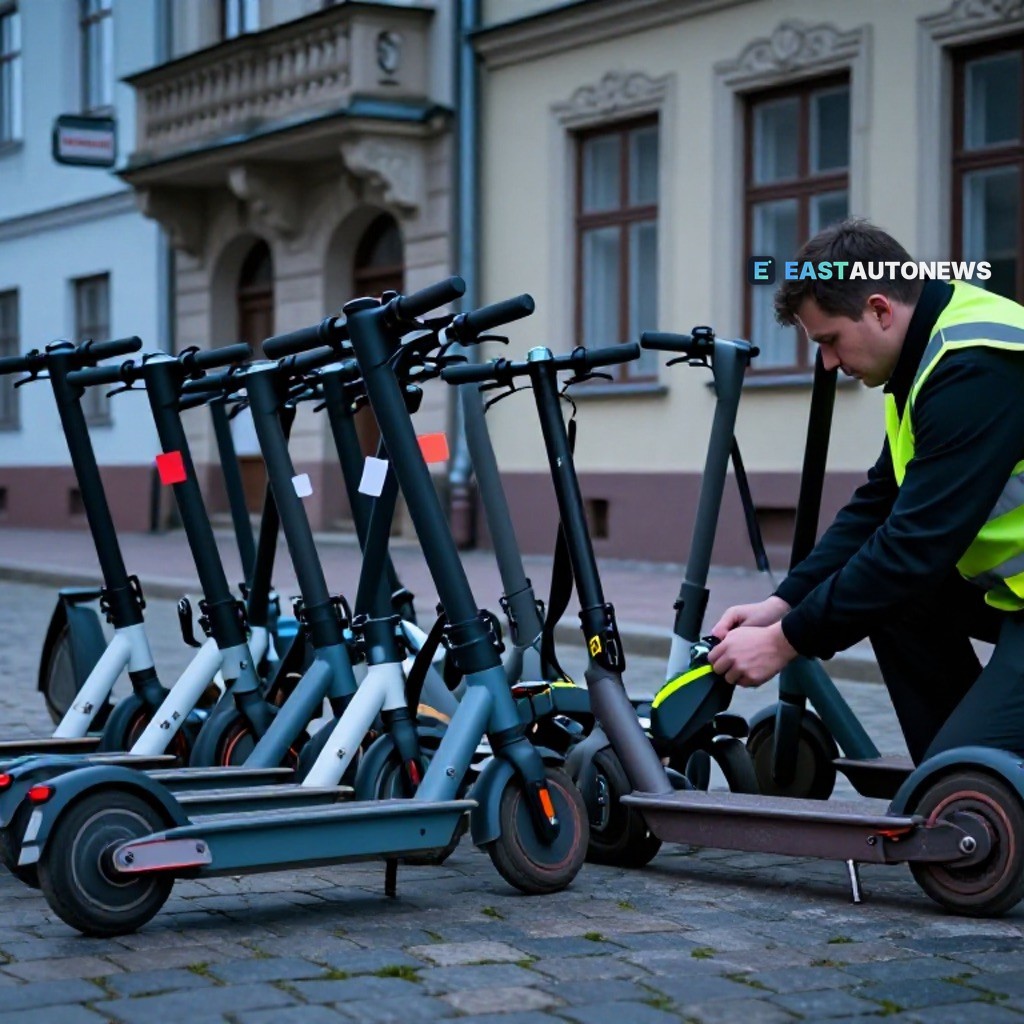
“Chaos” is not a word that transport ministries reach for lightly — yet it is precisely the one Lithuania’s has chosen. The country’s transport ministry has decided to confront the disorder blamed on electric scooters, and last week it formally proposed to the Seimas, Lithuania’s parliament, that the rules governing their use be tightened. Vilnius, it appears, has run out of patience with the lightest vehicles on its streets — at the very moment the heaviest ones are being handed an easier ride.
The timing is what makes the story. As Lithuania moves to discipline micromobility, Brussels is loosening its grip on the car industry. Last week, European Parliament committees proposed simpler EU automotive rules and incentives for small electric vehicles, building on the European Commission’s December 2025 Automotive Package, which set out to simplify technical requirements and testing procedures for motor vehicles. One branch of European transport policy is being untangled; another, in Vilnius, is being pulled tight.
The loosening extends to emissions. EU lawmakers have voted to water down CO2 reduction requirements for cars, backing a softened target of a 90% tailpipe emissions reduction by 2035 — a clear reprieve for carmakers. The changes form part of a wider package designed to strengthen automotive manufacturing in the EU as it comes under attack from more agile Chinese competitors offering cheaper electrified models. In a striking industrial-policy twist, the new rules even award emissions compliance credits for the use of low-carbon European steel, in a bid to create demand for the continent’s steel industry.
For the Baltic automotive sector, the divergence is the takeaway. European regulation is now moving at two speeds: flexibility for the industry Brussels wants to defend, discipline for the vehicles it has yet to tame. The Seimas will now weigh Lithuania’s scooter proposal, and the wording that emerges will matter well beyond Vilnius — to micromobility operators watching their operating environment harden, and to dealers and importers watching the EU’s softer line on cars widen what they can bring to Baltic showrooms.
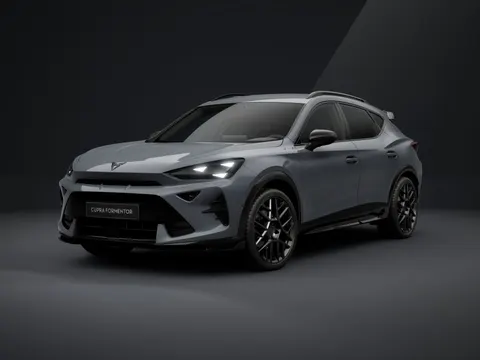
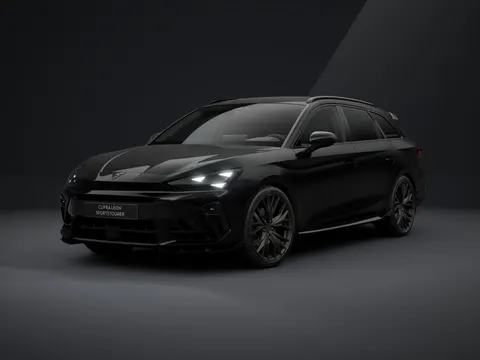
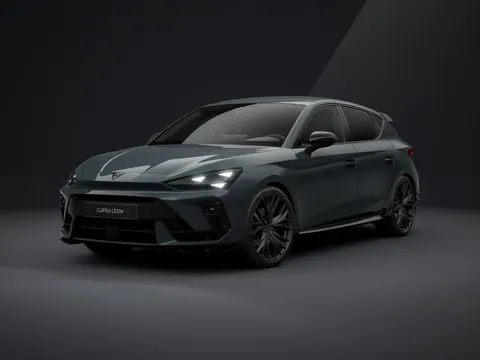
However the rules land — on two wheels or four — the search for the right vehicle never stops. Readers looking for anything from a nimble city car to a family workhorse can find sensational cars at sensational conditions at WorldTrader24, Europe’s marketplace with over 70,000 vehicles.
Electric vehicles and micromobility listings on WorldTrader24 →