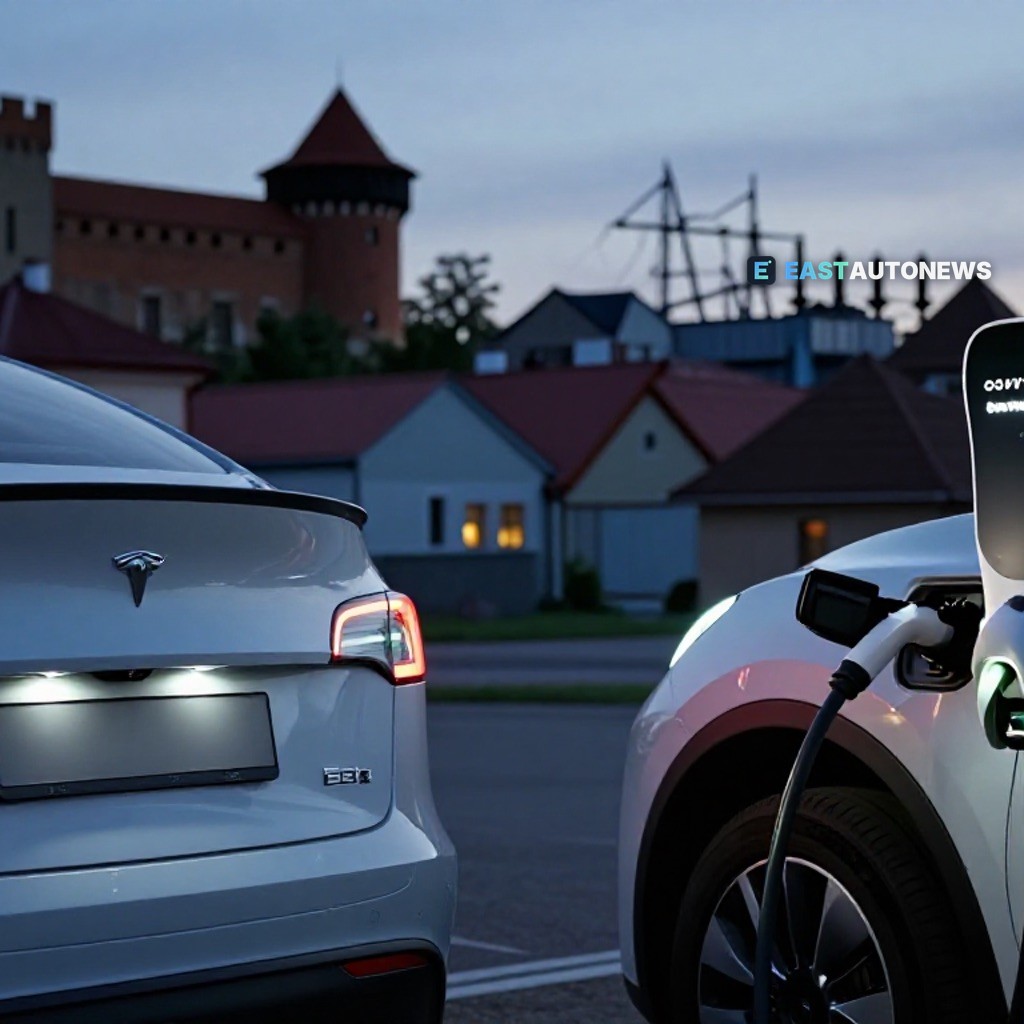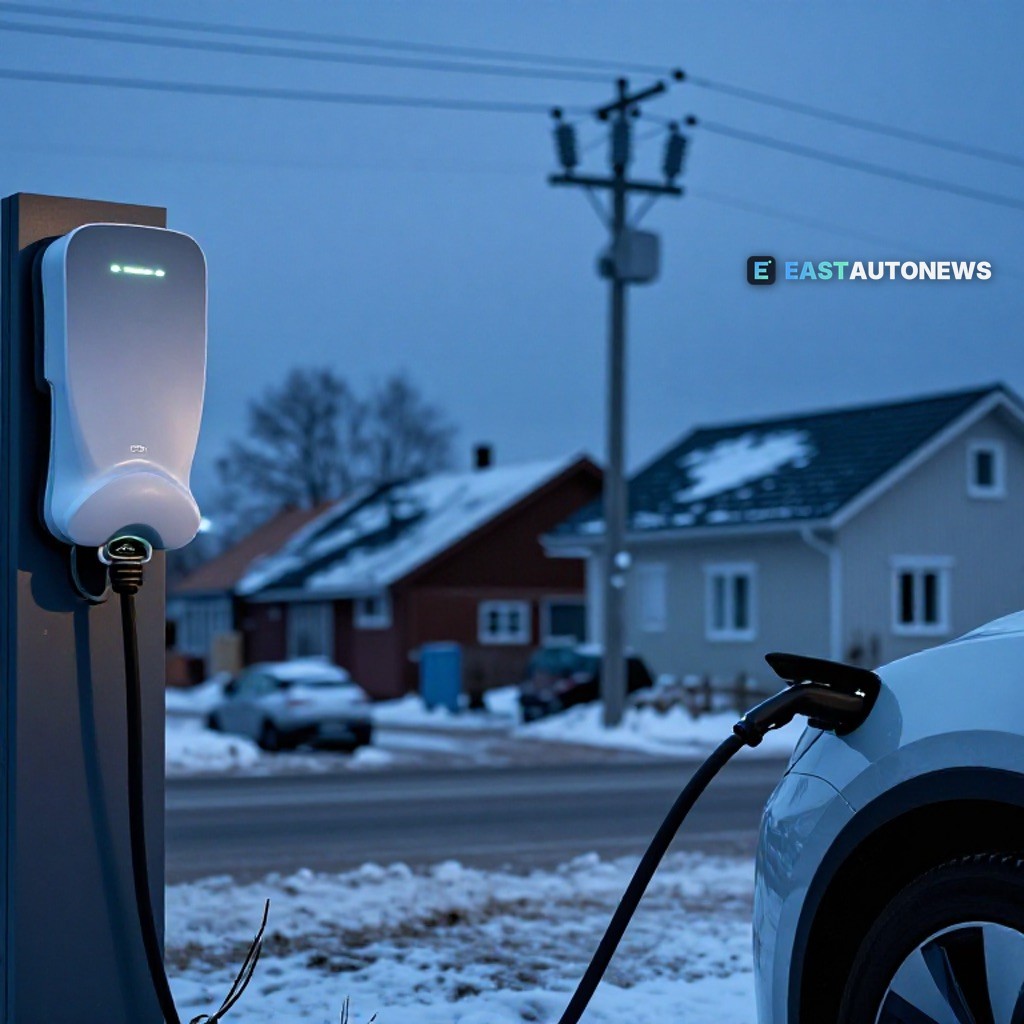
The most consequential moment in Estonia's electric motoring future may also be one of its least dramatic: an ordinary evening in Tallinn, a driver plugging in after work. According to a new European study reported this month, what happens in the seconds after that click — whether the car starts drawing power immediately or waits for the grid's quiet hours — could decide whether the continent's EV transition comes with a punishing network bill or a manageable one. The researchers' headline number is striking: smart charging could cut that bill by 40 percent.
The study's investment map explains why the figure matters now. The greatest need for grid investment is expected in Germany, followed by Norway, Belgium and the Netherlands — the countries whose electric fleets are already the most significant. The pattern is blunt: the markets that electrified first face the heaviest reinforcement bills, and the size of the bill, the research suggests, is largely a question of orchestration — whether charging is managed around the network's capacity or simply happens whenever drivers plug in.
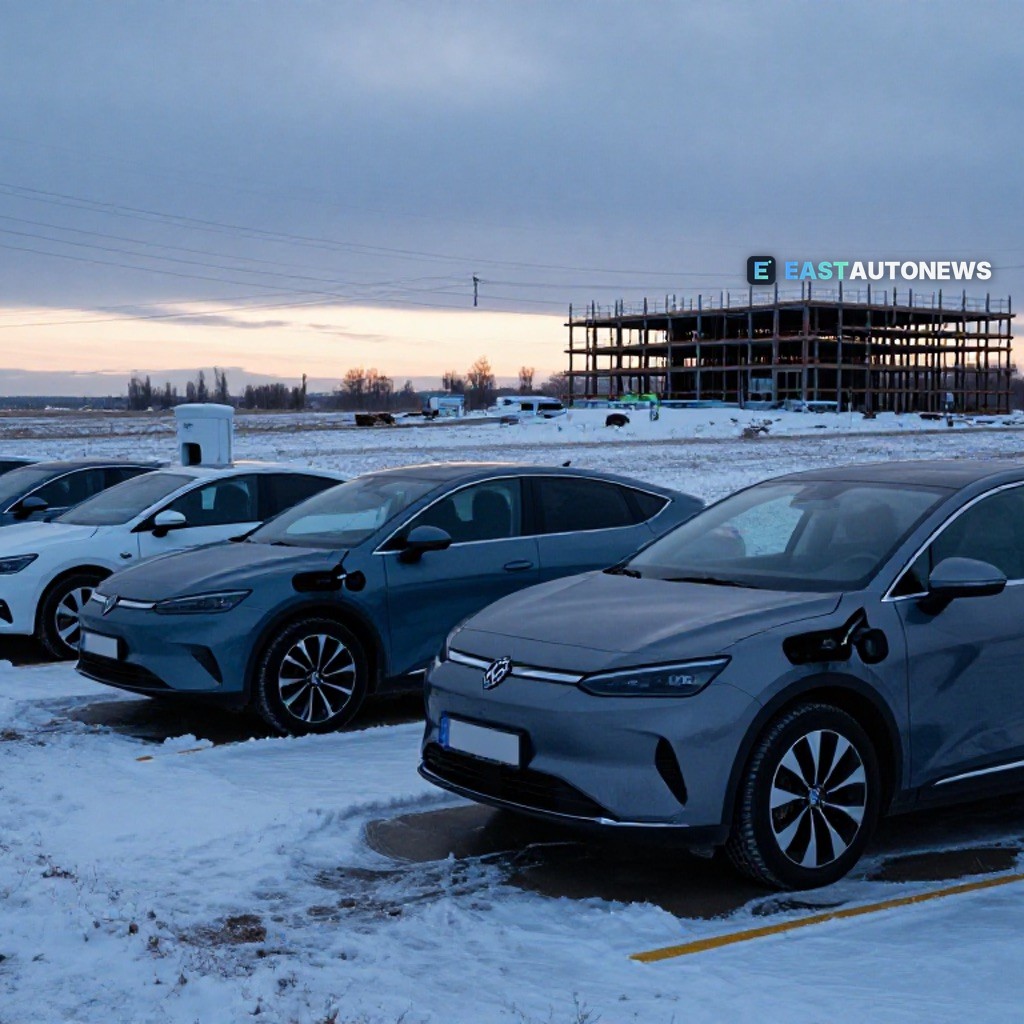
For Estonia, the most intriguing line in the research concerns this side of the continent: the fastest spread of electric vehicles is forecast in Eastern Europe, albeit from a lower starting base. Read from Tallinn, that is both a promise and a deadline. The promise is momentum — a region moving from niche to normal at pace, with all the charging demand that implies. The deadline is infrastructural: charging networks built smart from the start can skip the expensive retrofit chapter that mature markets now face, and bank the full 40 percent saving instead.
For the B2B ecosystem — utilities, charging point operators, fleet managers and the automakers courting Baltic buyers — the finding reframes a familiar debate. The question is no longer whether Europe's grids can absorb millions of electric cars, but whether the charging behind them is orchestrated or chaotic. Managed, time-shifted charging turns EVs from a burden on the network into a flexible resource, and on the study's arithmetic, the difference between the two approaches is worth 40 percent in grid costs.
The stakes are concrete for a small market like Estonia, where rapid percentage growth shows up quickly on local networks. If the forecast holds, the region's EV boom is not a question of if but of how — smart and affordable, or reactive and expensive. On the evidence of this study, the cheapest grid upgrade available may simply be software that knows when to say 'not yet'.
And while planners weigh the wires, the vehicles themselves keep arriving — from Tallinn's fleet buyers to first-time private converts, the choice of electric and conventional models has never been broader. Readers looking for a vehicle can find sensational cars at sensational conditions at WorldTrader24, Europe's marketplace with over 70,000 vehicles.