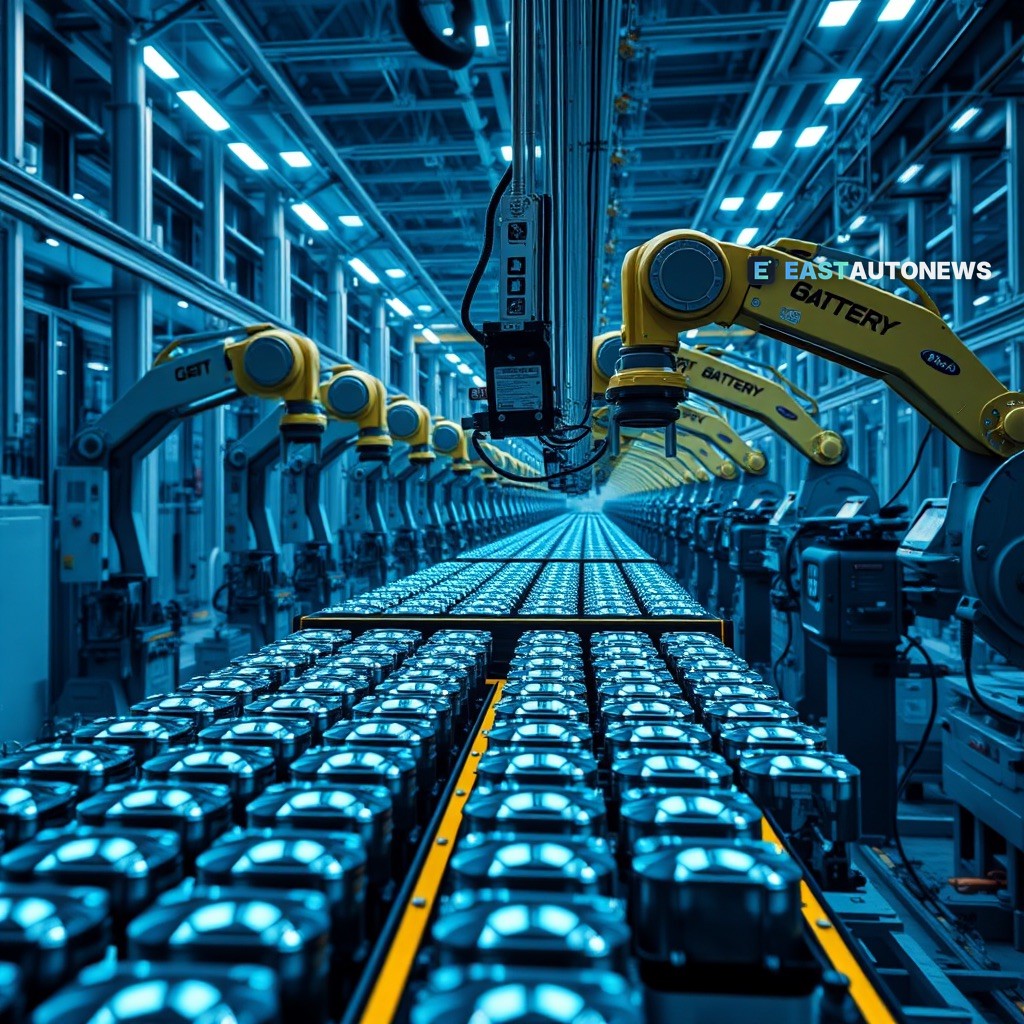
Stellantis is preparing to switch “many” of its European nameplates to LFP batteries as part of a broad cost-reduction drive across the region. The shift toward lithium-iron-phosphate chemistry amounts to a strategic pivot: rather than chasing peak range with nickel- and cobalt-based cells, the carmaker is betting on a cheaper, hard-wearing battery type to pull electrified prices down.
The logic is straightforward. LFP cells forgo scarce, expensive raw materials in favour of iron and phosphate, trading some energy density for lower production cost and longer service life. For Central and Eastern European markets, where affordability — not headline range — remains the decisive barrier to EV uptake, the strategy speaks directly to local buying patterns.
The timeline, however, has slipped. The plant tied to the programme was initially expected to be operational by the end of 2026, but Spanish news agency EFE reported earlier this year that the site is likely to begin production in 2027. That roughly one-year delay pushes the promised cost savings of the LFP rollout further down the road for European buyers.