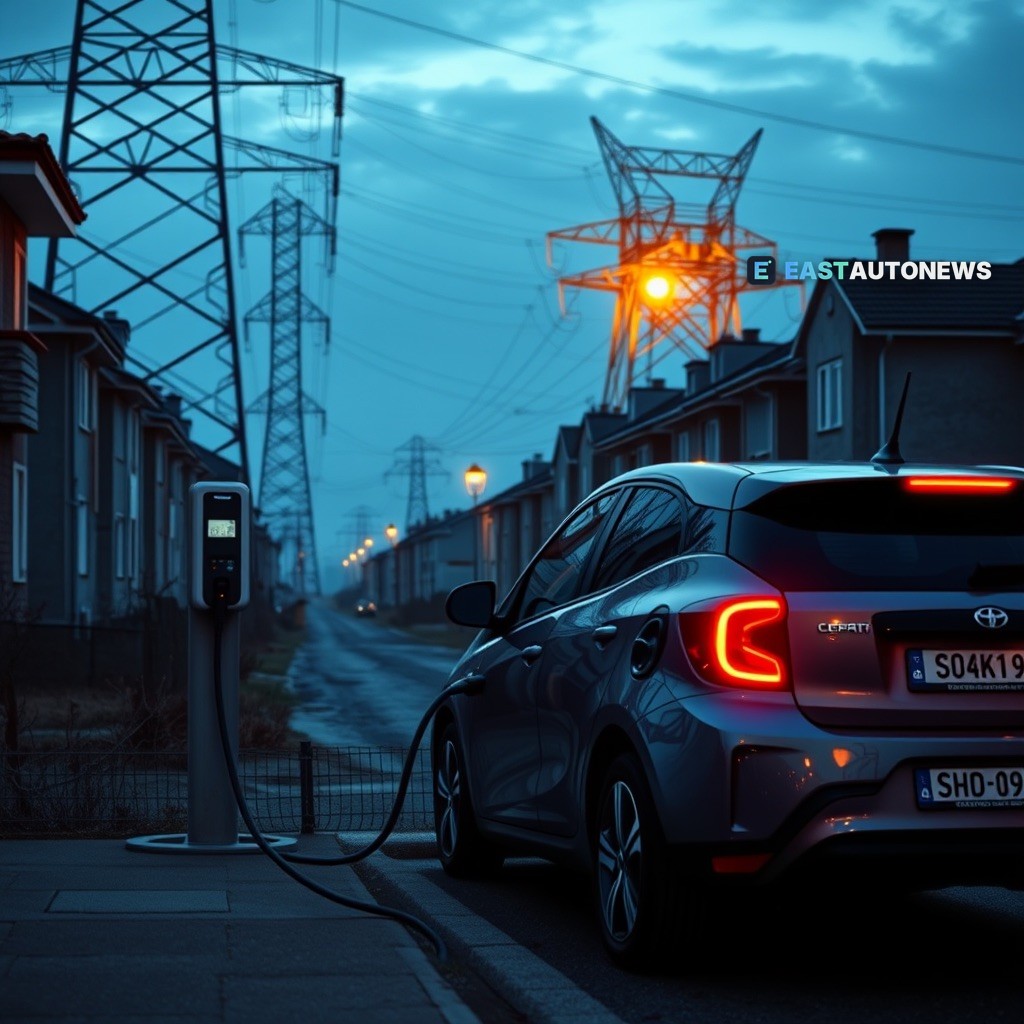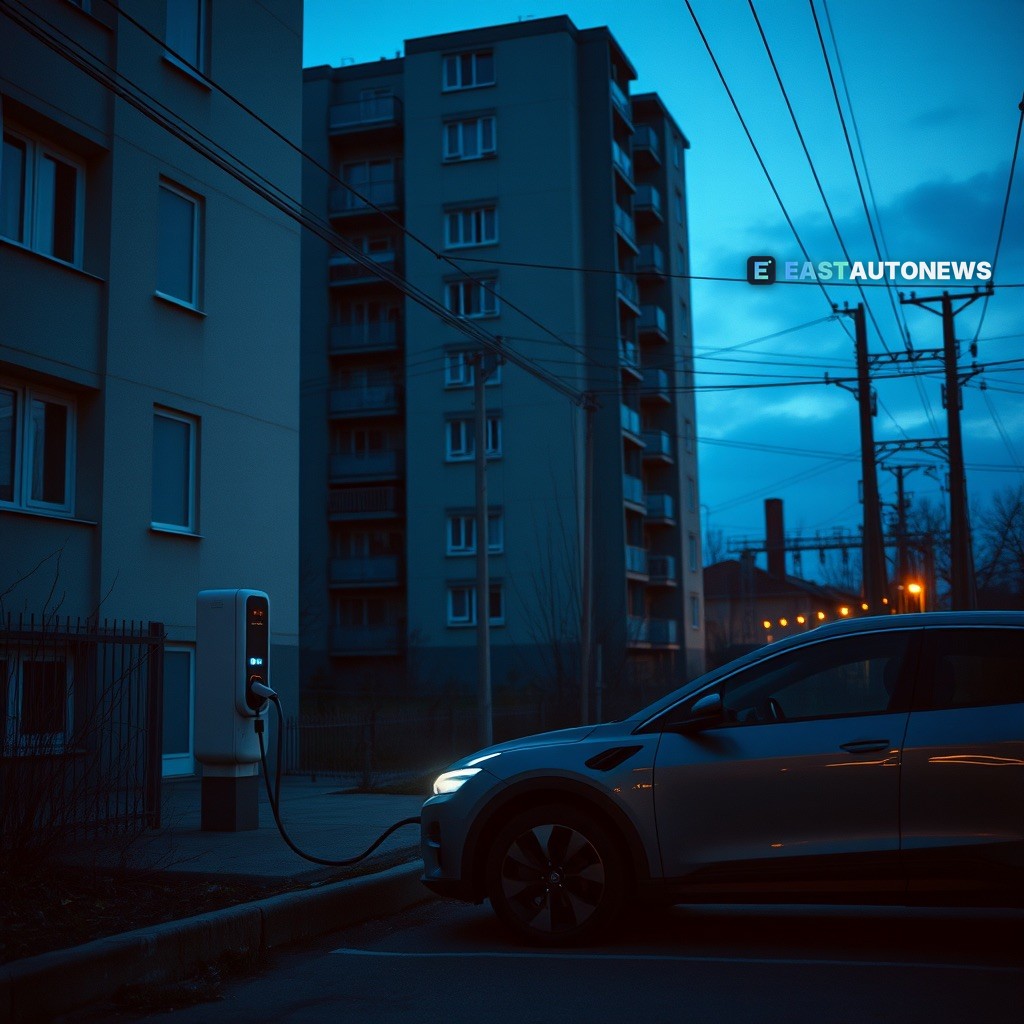
Cities across Europe could cut the grid bill for electric vehicles by 40% simply by charging them smartly, a new study finds — a figure with outsized relevance for Eastern Europe, where EV adoption is set to scale faster than anywhere else on the continent. The findings, reported by Global Banking and Finance, put a hard number on the promise of intelligent load management: coordinating when and how EVs draw power, rather than letting every driver plug in at once, can sharply reduce the network costs of electrification.
The study's regional projection is the headline for this part of the world: EV uptake would grow fastest in eastern Europe, albeit from a lower base. The region starts with fewer electric cars on its roads, but its growth curve will be the steepest — which means the charging and grid decisions being made now, while the infrastructure is still young, will carry the greatest weight.
The economics are straightforward. Smart charging spreads demand across the day, easing pressure on transformers, substations and transmission lines and reducing the need for costly reinforcement. Because uptake in the region starts from a low base, much of the charging build-out still lies ahead — giving cities here a rare chance to embed intelligence into the network from day one rather than retrofitting it later.
Nowhere is the value of a flexible, well-managed grid more visible than in Ukraine. Russia has unleashed its biggest mass attack on the country's energy facilities this year, targeting substations, transmission systems and power plants across 10 oblasts and cutting off power to households, the Kyiv Independent reported. Grid operator Ukrenergo said energy facilities were struck more than 20 times within 24 hours, further complicating the situation in the power system and causing significant damage to infrastructure. For a market where electric cars have been steadily gaining ground, the attacks underline how tightly charging access is bound up with grid resilience.