Two European Parliament committees have moved to soften the bloc's previously strict 2035 new‑car CO₂ target, adopting a compromise that reduces the required fleet cut and creates crediting for low‑carbon European steel. The votes mark the most significant shift in EU automotive policy since the Commission tabled its Automotive Package in December 2025.
What the committees voted
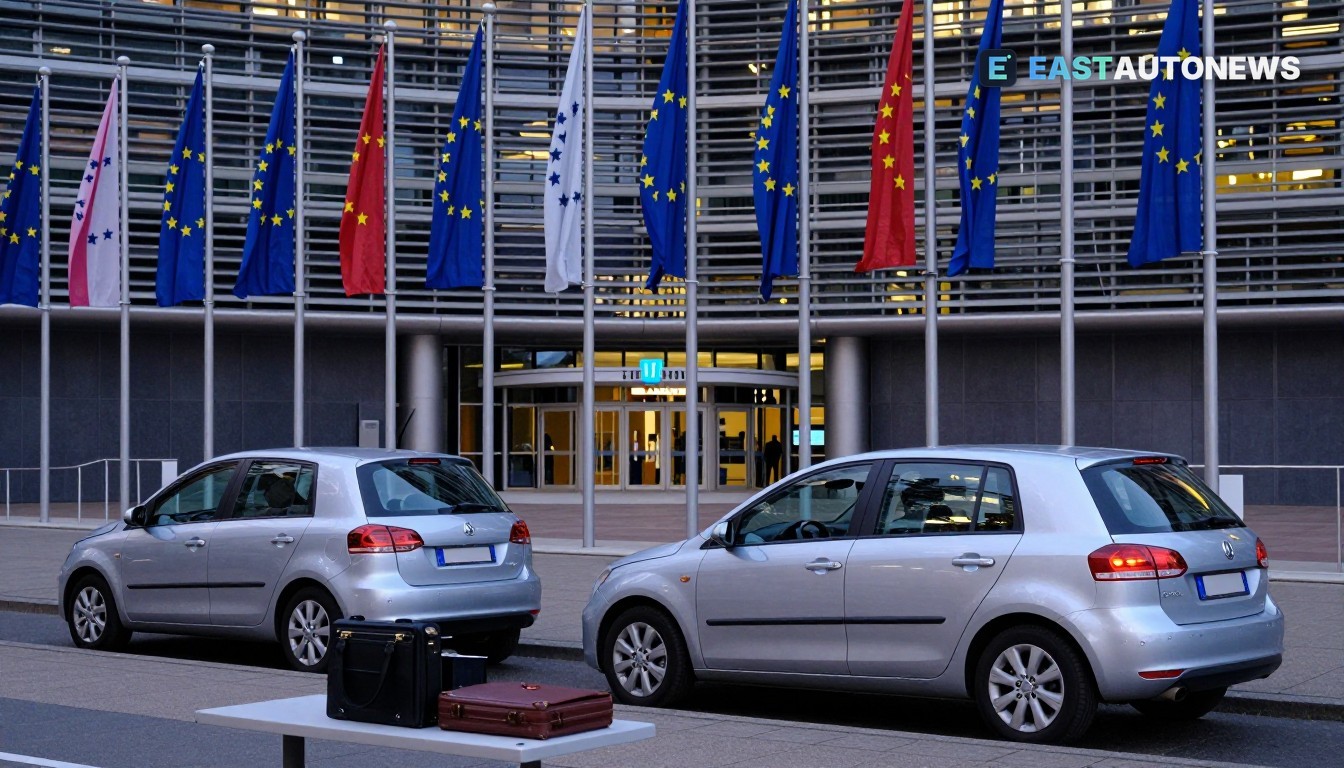
On 22 October the Industry (ITRE) and Transport (TRAN) committees voted in favour of a centre‑group compromise that would require carmakers to cut average new‑car CO₂ emissions by 95% versus 2021 by 2035, rather than the current 100% legal target. Lawmakers also agreed that manufacturers could claim up to 7.5 percentage points of extra flexibility by using European low‑carbon steel in vehicles — a mechanism that could reduce the effective 2035 cut to as little as 87.5% in the ‘worst case’. The Industry committee vote was recorded as 49 in favour, 27 against and 5 abstentions; TRAN backed the text by 27 to 18 with one abstention.
The Environment Committee — the lead committee on the file — is scheduled to take up the proposal later in the legislative process; Clean Energy Wire reports the Environment committee vote is set for 23 November, after which plenary and Council negotiations would follow.
Politics behind the move
The parliamentary compromise comes after a Franco‑German agreement in mid‑October that linked a relaxation of the 2035 rule to tougher 'Made in Europe' provisions aimed at steering public support and procurement to European production. German Chancellor Friedrich Merz welcomed the bilateral deal as “a good day for car drivers and for jobs in Germany, France and Europe,” while French President Emmanuel Macron said it showed “a clear ambition to successfully transform” the industry. The Franco‑German position has been influential in shaping the Parliament committees' recent votes.
What this means for the market
For Central and Eastern Europe (CEE) the committee votes change the compliance landscape manufacturers and suppliers must plan for. A softer 2035 target with crediting for green steel shifts some compliance value toward local steel and materials sourcing in Europe — potentially benefiting CEE steel and component producers that can demonstrate low‑carbon processes. At the same time, the retention of scope for combustion and hybrid models after 2035 preserves demand for internal‑combustion‑related parts and late‑cycle vehicle programmes, which matters for regional suppliers who still rely on ICE component volumes. These immediate effects will depend on the Environment Committee’s final position and the outcome of trilogue talks between Parliament and member states.
Automakers and industry groups have already signalled that regulatory certainty is essential for investment decisions. The committee votes relieve some short‑term pressure on manufacturers’ transition plans, but they also introduce a new rules‑of‑origin and materials test into procurement and state‑aid debates that could reshape where OEMs place new battery and EV production capacity in Europe. Observers note the Franco‑German deal couples emissions flexibility with stronger European preference rules, a combination likely to animate supplier strategies across CEE in the months ahead.
Electric vehicle listings on WorldTrader24 →
Sources: Clean Energy Wire, electrive.com, DW