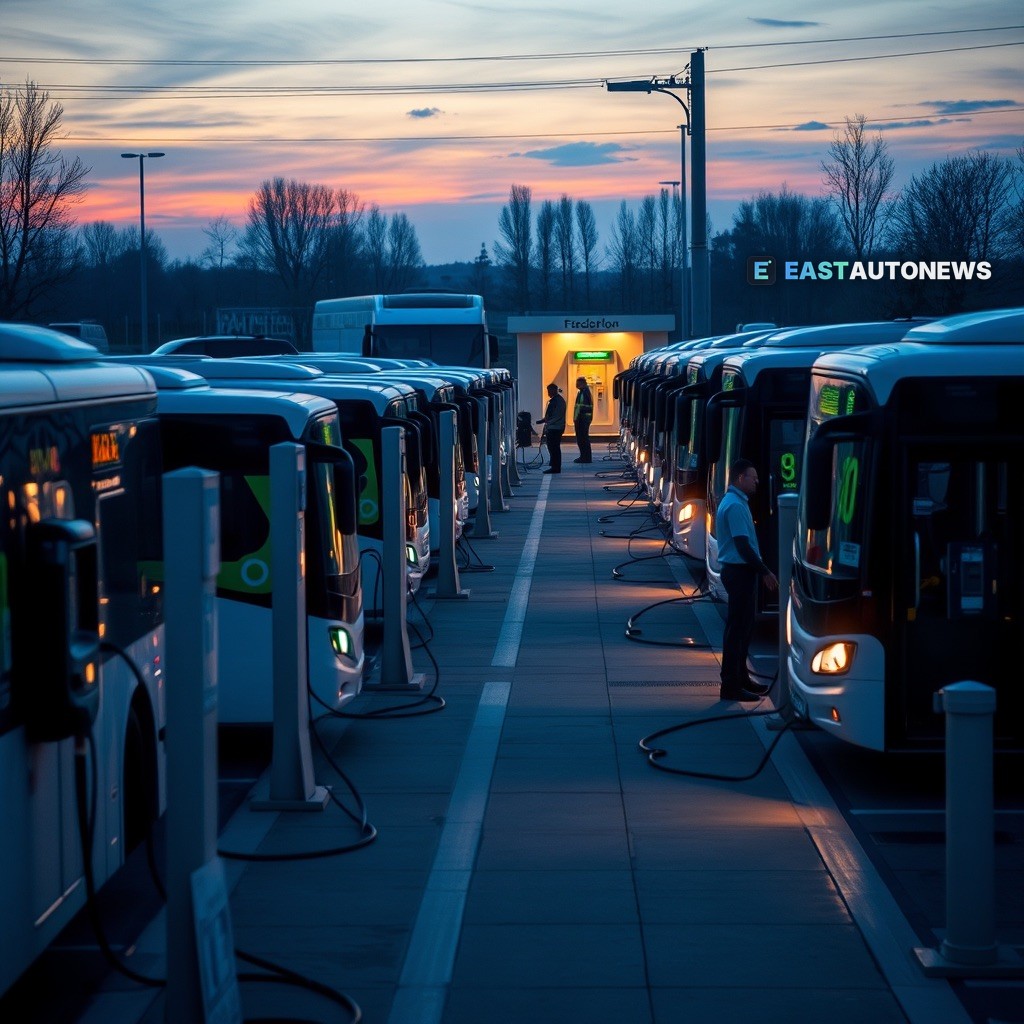
Vilnius is set to deploy 161 electric and hydrogen buses, along with the charging infrastructure needed to run them, in a project backed by European Investment Bank financing. As reported by Charged EVs, the commitment hands manufacturers of buses, chargers and depot equipment in the region a concrete, near-term order book — and marks a visible step toward cleaner transit in the Baltic capitals.
The fleet renewal lands on unusually supportive policy ground. Lithuania's parliament has approved a Ministry of Energy package designed to revive renewable energy investment: permitting requirements are being eased, developer performance guarantees are halved to EUR 25 per kW, and project timelines can be extended by up to 48 months. According to pv magazine and IndexBox, the goal is to accelerate renewable development so that generation keeps pace with the extra demand electrified transport — city buses included — will place on the grid.
The charging layer is growing alongside the buses. Lithuania's publicly accessible recharging points are tracked through Via Lietuva's Information System of Publicly Accessible Recharging Points, the national registry that gives drivers and fleet operators a live map of the network. Consolidation elsewhere in Europe underlines how quickly this business is maturing: InsideEVs reports that an automaker has quietly sold its European fast-charging network to a local player and exited the market, leaving rollouts increasingly to specialist operators and publicly financed programmes such as Vilnius's.