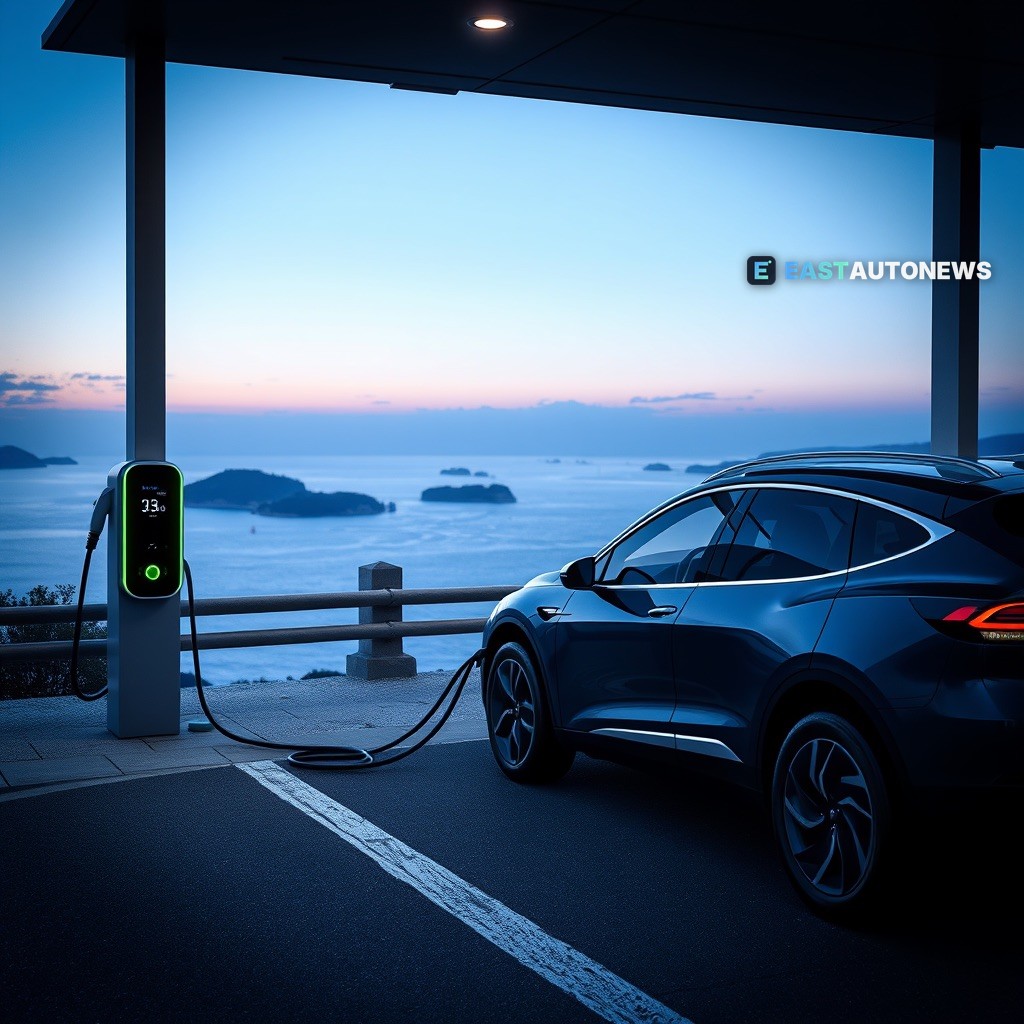
For years, the calculus for an electric road trip down Croatia's A1 – the motorway that funnels millions of drivers from Zagreb toward Split and the Adriatic coast – has been a nervous one. At the end of October, that calculus changed. New ultra-fast chargers were put into operation along the A1 and A3 on 31 October, and some of them deliver as much as 400 kW, power levels that rank among the fastest public charging on the market today.
The deployment, put into operation by Slovenian energy group Petrol, matters as much for its geography as for its hardware. The A1 is Croatia's tourism backbone, absorbing a heavy summer surge of passenger traffic bound for the coast, while the A3 carries traffic east–west toward Slavonia and the regional border crossings. At 400 kW, a compatible EV can add substantial range in the time it takes to drink a coffee – a fundamentally different proposition from the slower units many drivers have learned to plan their journeys around.
The timing aligns with a broader regional shift. Industry studies project the fastest uptake of electric vehicles in eastern Europe – albeit from a lower base – and charging infrastructure is the variable that will decide whether that projection materialises. Croatia, sitting on the transit route between central Europe and the Balkans, has an outsized incentive to get it right: its motorways are not just domestic arteries but corridors for international holiday and freight traffic.