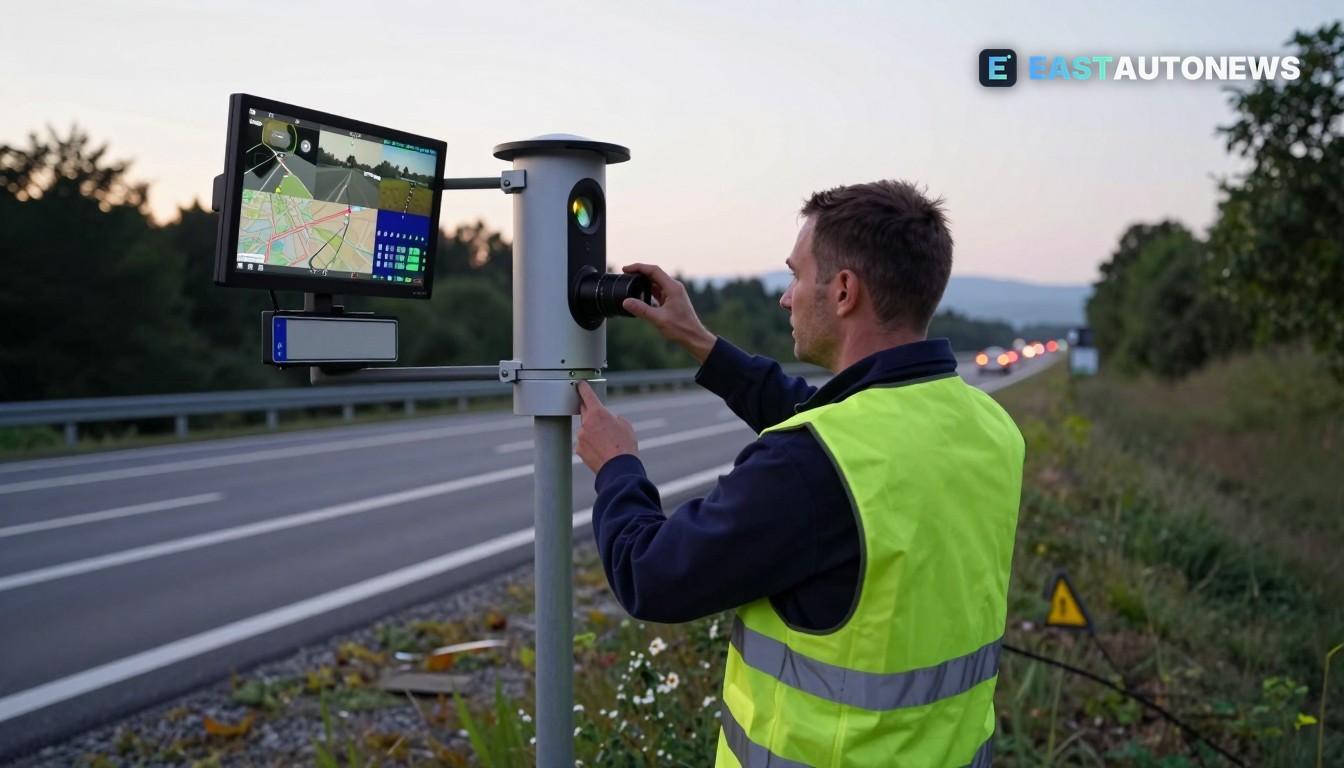
The European Commission has this week published draft implementing and delegated acts to adapt EU vehicle safety requirements for automated and fully automated vehicles. The draft measures were placed on the Commission’s "Have Your Say" portal with a feedback window that opened on 3 November 2026 and runs until 1 December 2026.
What the drafts change
The two draft texts propose targeted amendments to existing implementing and delegated acts under the EU General Safety Regulation (Regulation (EU) 2019/2144) so type-approval can explicitly cover: (a) dual‑mode vehicles (those that can be driven manually and in automated mode) and (b) vehicles that cannot be driven manually at or above a speed of 6 km/h. The Commission summaries make the 6 km/h threshold explicit in the public initiative information.
Practically, the drafts remove or adapt several driver‑related requirements for vehicles when they operate in a driverless or fully automated state. That includes allowing driver‑monitoring and lane‑keeping duties to be switched off where another certified system assumes those tasks — a change the Commission frames as necessary to make the existing type‑approval framework workable for driverless operation. The Commission expects adoption in the fourth quarter of 2026 after the feedback period.
Timeline and how industry must respond
The Have Your Say initiative (Ares references appear on the initiative page) gives manufacturers, type‑approval holders and importers until 1 December 2026 (midnight Brussels time) to submit comments; the Commission’s material warns that late feedback may not be taken into account when the implementing text is finalised. The initiative page and regulatory trackers list the draft files as published on 3 November 2026 with adoption pencilled for Q4 2026.
What this means for the market
For carmakers, suppliers and type‑approval teams across Central and Eastern Europe the drafts convert policy questions about driverless vehicles into an immediate compliance task. Firms that plan dual‑mode or driverless products must map the proposed changes onto ongoing type‑approval dossiers and, where appropriate, file formal feedback by 1 December 2026 to influence final wording. The Commission’s short feedback window makes engagement urgent for any organisation that expects to seek EU type‑approval for vehicles that lack manual driving controls at or above 6 km/h.
The amendments do not create a new parent regulation; they amend implementing/delegated acts under the General Safety Regulation and will be applied through the existing type‑approval apparatus (Regulation (EU) 2018/858). In other words, the change is technical and procedural rather than a wholesale rewrite of EU safety law — but the effects will be concrete for testing, documentation and certification workflows.
WorldTrader24 B2B vehicle listings for dealers →
Sources: European Commission (Have Your Say), SDV Sector