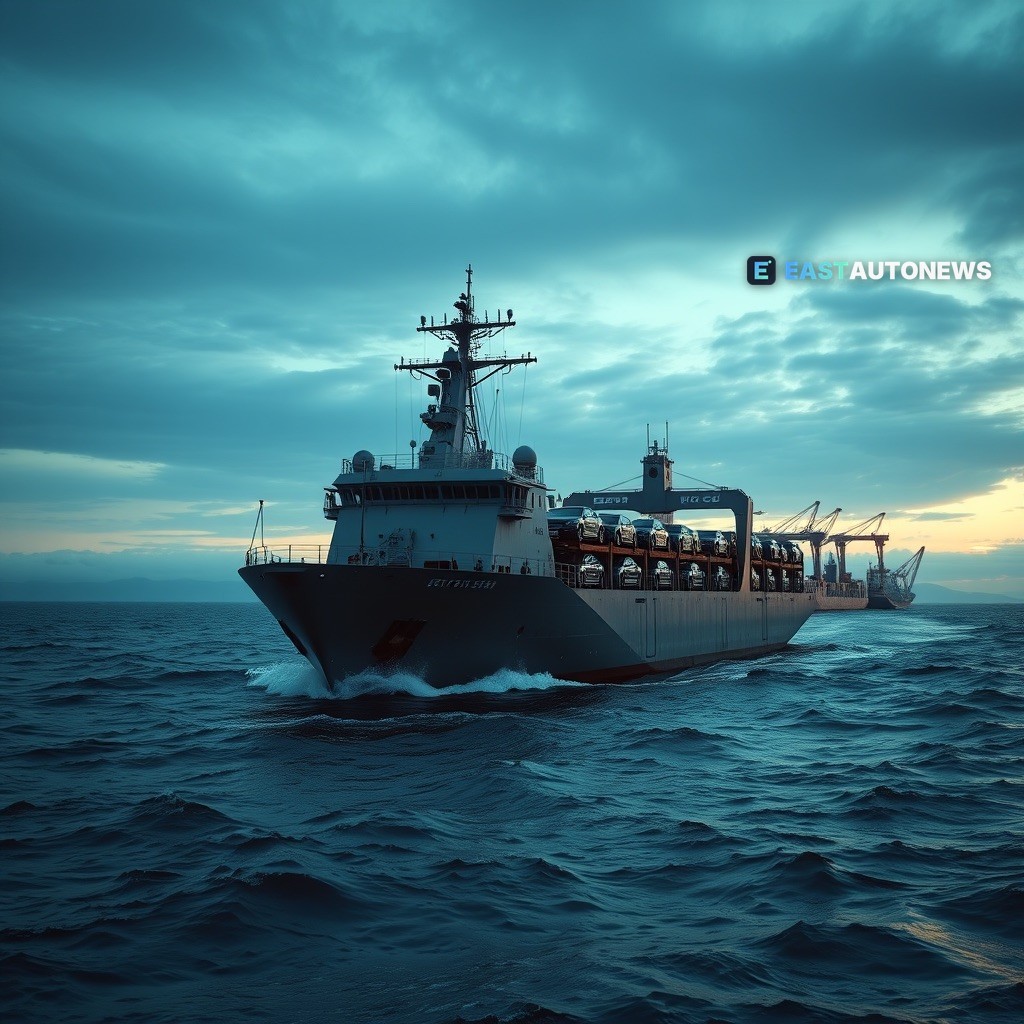
Seven strikes on cargo ships near the coasts of NATO members Romania and Bulgaria last month have forced the alliance's hand: NATO has said it will deploy maritime patrol aircraft, radars and drones to bolster its eastern flank in the Black Sea. What began as a threat to merchant shipping is increasingly being read as a test of the alliance's red lines — and it lands squarely on some of the region's busiest freight lanes.
The exposure is easiest to quantify in Bulgaria. Economist Shtelyo Nozharov, cited by Bulgarian media SEGA in commentary following Iotova's presidential election win, said 20 to 25 percent of Bulgaria's imports and exports move through the Black Sea, covering grain, metals, chemicals and oil. In plain terms, up to a quarter of the country's foreign trade depends on waters that cargo crews are now crossing under strike risk.
No surprise, then, that southern alternatives are back on the table. A statement carried by a Bulgarian economic news outlet and reported by Greece's K-TYPOS argues that if Bulgaria wants access to the Aegean Sea via the port of "Filippos II", it should contribute financially to the rail connection with the Bulgarian ports on the Black Sea. The underlying message: Aegean access is on offer, but Sofia is expected to co-finance the rail links that would make it work.