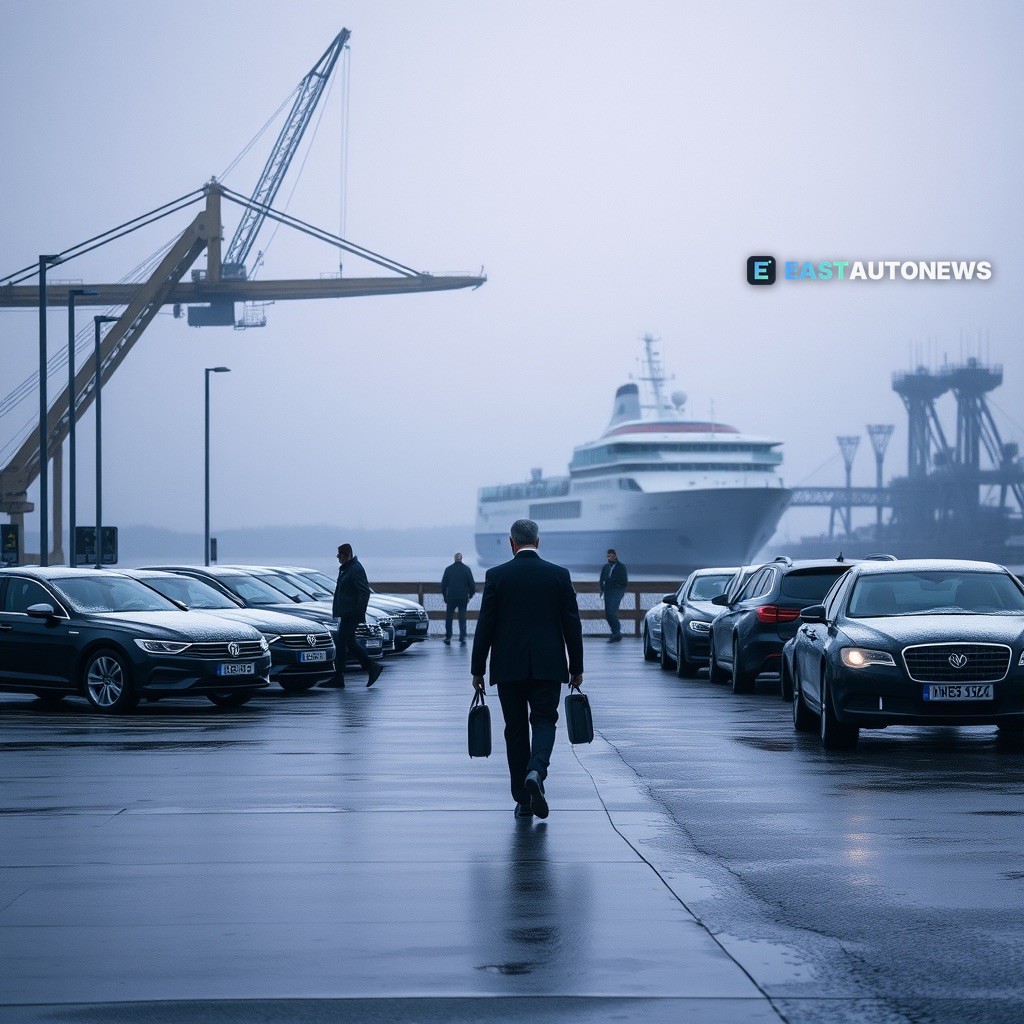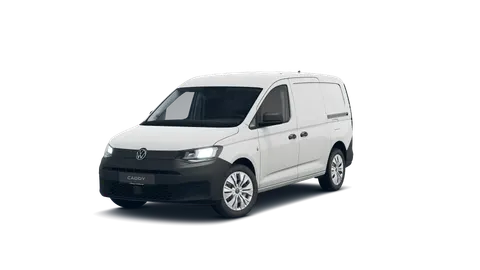
Vilnius has a new automotive pecking order. Toyota has overtaken Fiat to become the dominant car brand in Lithuania, with Volkswagen trailing in third. In most countries, a change at the top is badge trivia. In the Baltics, it is a signal flare for the entire supply chain — from the port-side terminals where imports roll ashore to the parts warehouses that keep dealer shelves stocked across the region.
Consider the scale of the prize. As of 2026, Lithuania is the largest of the Baltic economies, with output slightly larger than that of Latvia and Estonia combined — in both nominal and purchasing-power terms. An EU member of that weight does not follow regional trends; it sets them. When the badge at the top changes here, import volumes, dealer network investment and fleet procurement cycles tend to follow.
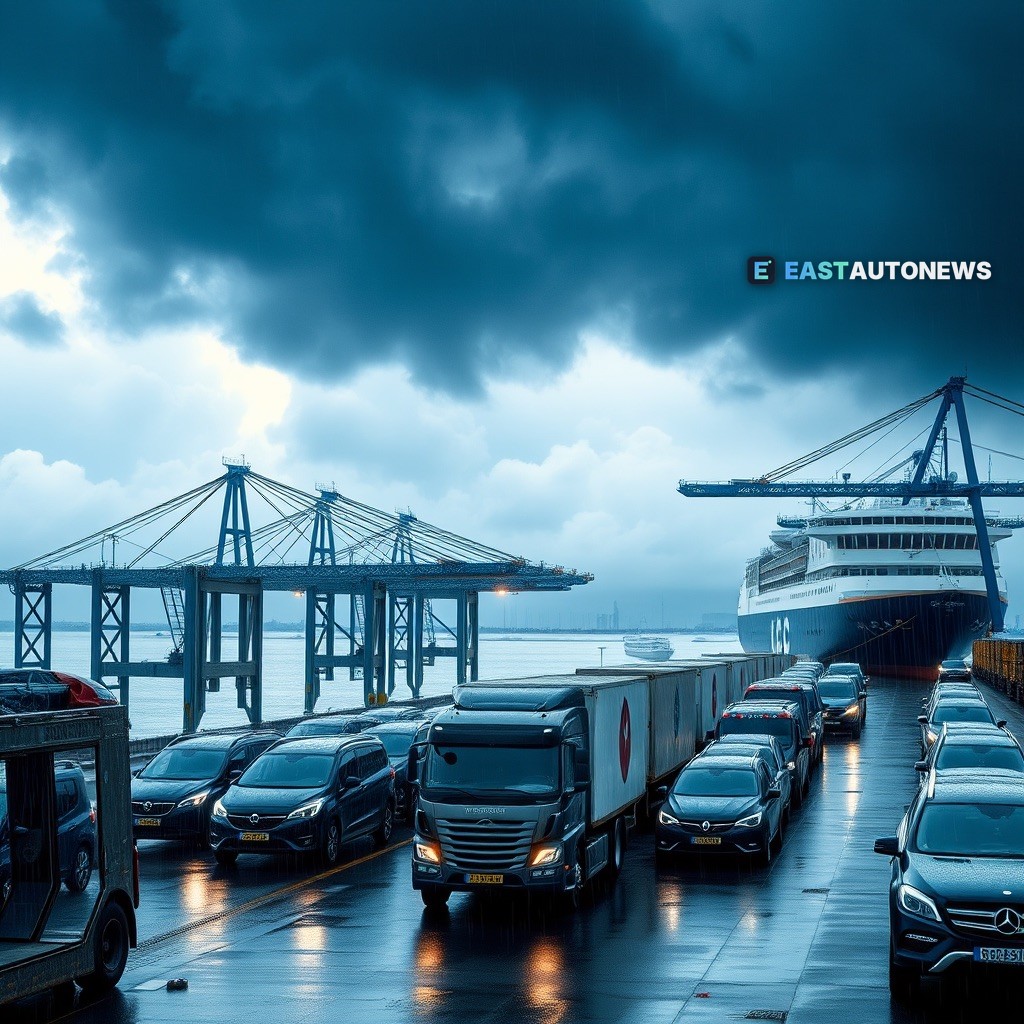
Nor is Lithuania an outlier. The same country-by-country analysis shows all three Baltic states embracing Toyota, with Latvia and Estonia moving in the same direction. For distributors, that coherence is gold: a single brand's parts pipeline, technician training and stock planning can now be orchestrated along the whole Baltic corridor, with vehicles and components arriving through Lithuania's Klaipėda gateway before fanning out north and east.
The timing adds a twist. Fuel prices updated this November show petrol at €1.846 per litre in Lithuania — and diesel at €2.195, a premium of nearly 35 cents over petrol. That inversion bites hardest in a country whose hauliers are a fixture on Europe's motorways, and it lands squarely on the operators who move new vehicles and components across the Baltic corridor. Every cent at the pump compounds across a sector where margins are measured in fractions.