Germany and France have broken months of deadlock over the EU's 'Made in Europe' automotive subsidy push, reaching a compromise that would allow suppliers from non-EU countries into the scheme. The deal, reported by DW, follows fraught talks over the IAA's potential impact on the two countries' own vehicle production — and it marks the next chapter of a local-content test that has already rattled global parts makers.
The rules themselves remain demanding. Cars imported from Japan would not qualify for EU subsidies, while models built in France, Portugal and Eastern Europe would benefit only if enough of their parts come from Europe. Under the IAA, the plan underpinning the push, 70% of the total value of a vehicle's components — excluding the battery — must be made in Europe.
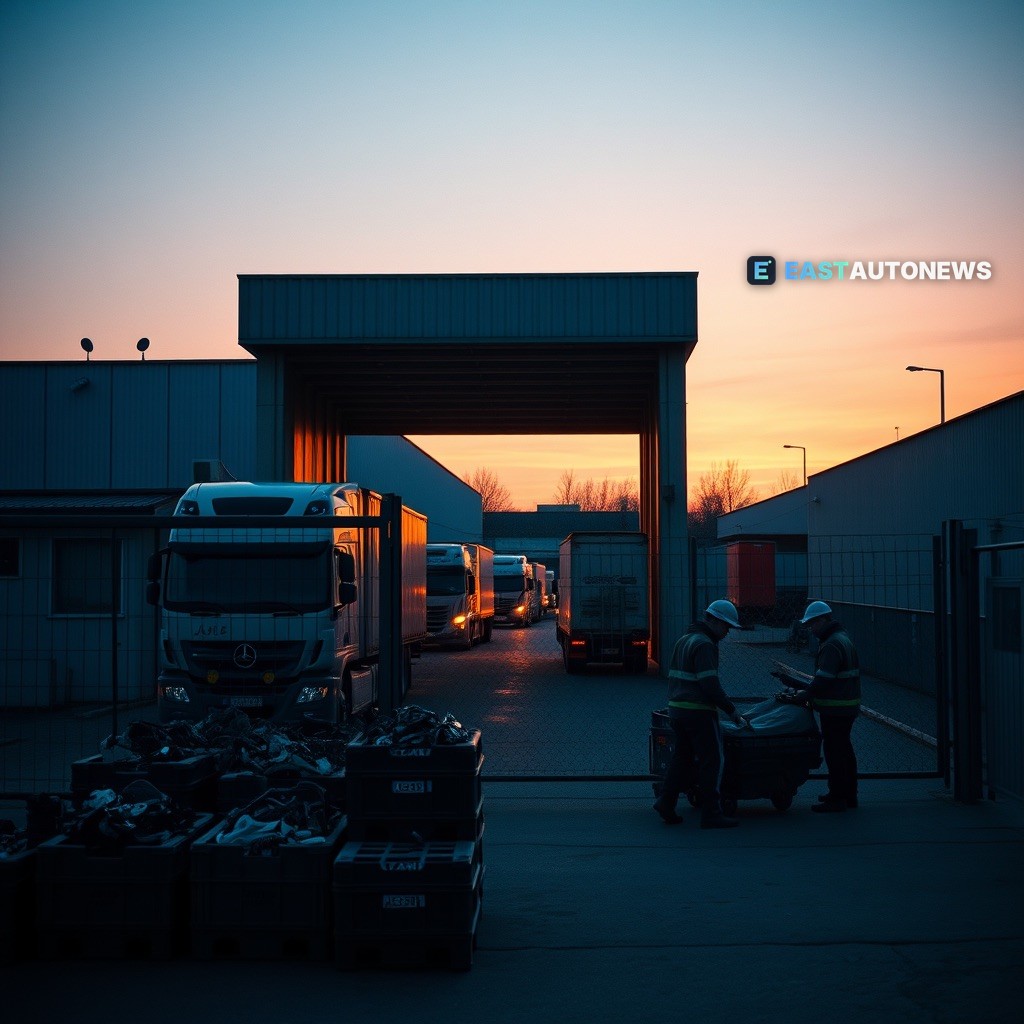
For Eastern Europe's manufacturing base, the stakes are unusually high. Plants across the region are prime candidates for subsidized status, but only if their supply chains can document sufficient European content — a requirement that could pull sourcing away from non-EU parts and toward regional suppliers. Global parts makers warn the rules raise costs and competitiveness concerns, and Turkey's auto exporters association, representing an export industry worth €26.8 billion last year, is among those watching closely.
The compromise lands as Europe's largest carmaker doubles down on regionalization on another continent. Audi's move to invest $4 billion in a Georgia assembly plant, reported by Automotive News, signals VW Group's determination to reverse its U.S. fortunes as it counters a slump in China and growing competition across Europe. For suppliers serving the group, the message is blunt: production footprints and content rules are increasingly regional, and capacity must follow the customer.
The coming months will show how far Brussels is prepared to bend. Suppliers with plants inside the bloc stand to gain if they can prove European content, while those dependent on non-EU components face costly choices about relocating production or losing access to subsidized programmes. The Berlin-Paris compromise suggests the door is opening — but the 70% benchmark remains the line every supply chain will be measured against.
For dealers and buyers, the practical effect will surface at the showroom: subsidy eligibility will increasingly depend on where a car and its parts are built, making it worth comparing European-content models before signing anything. Readers looking for a vehicle can find sensational cars at sensational conditions at WorldTrader24, Europe's marketplace with over 70,000 vehicles.