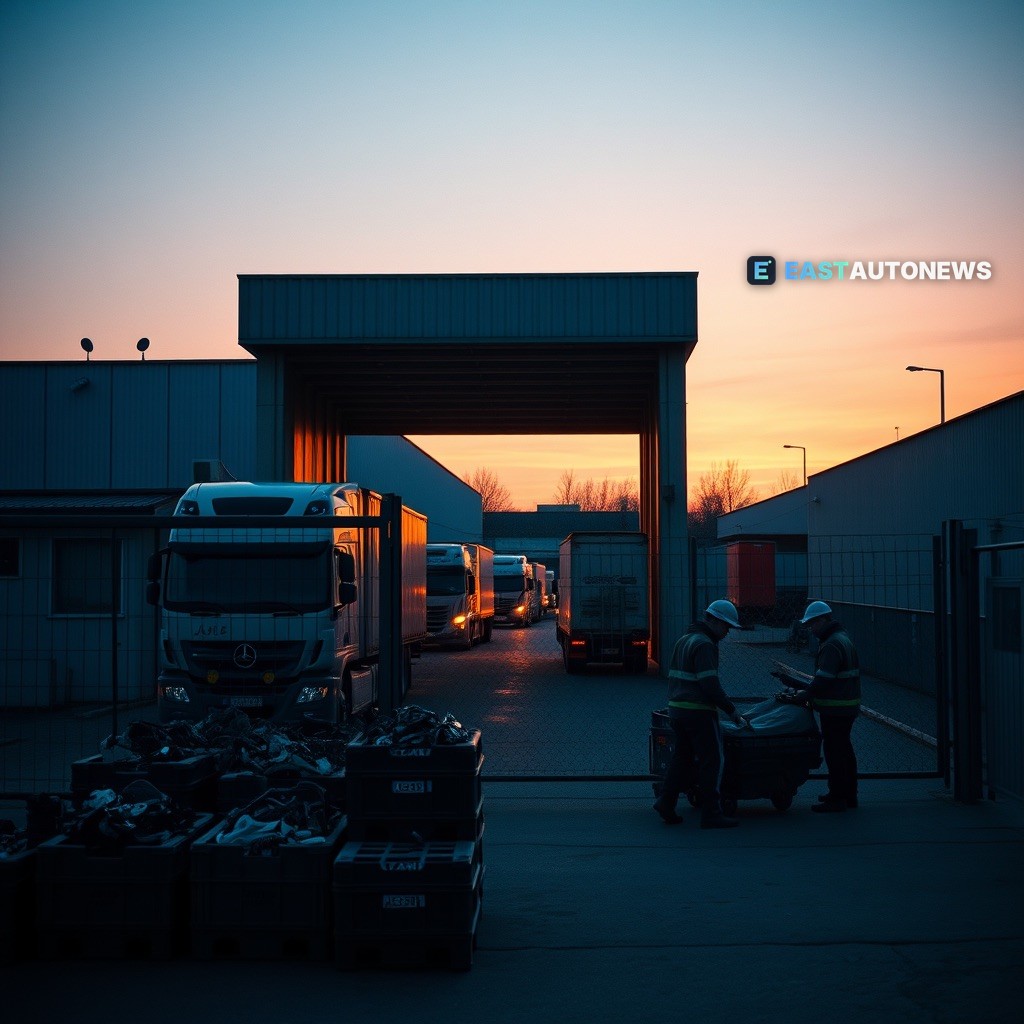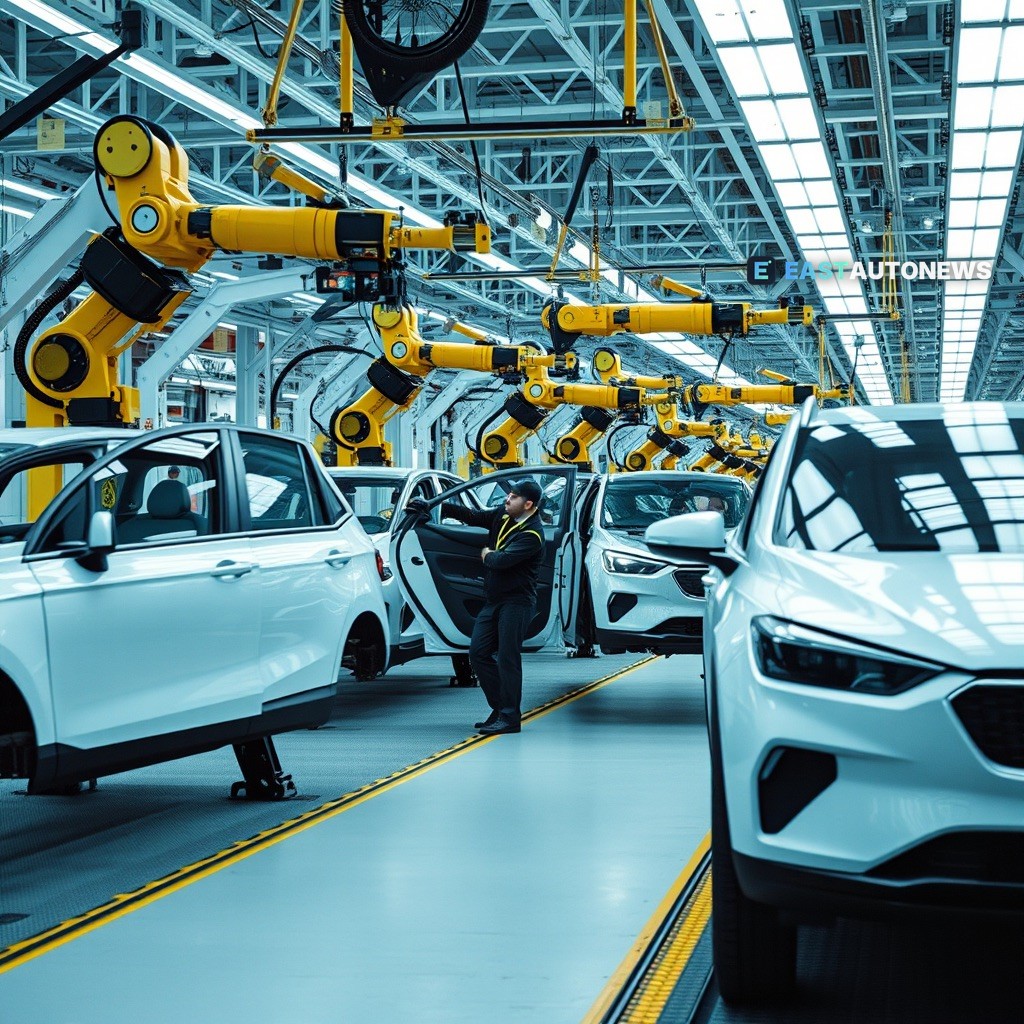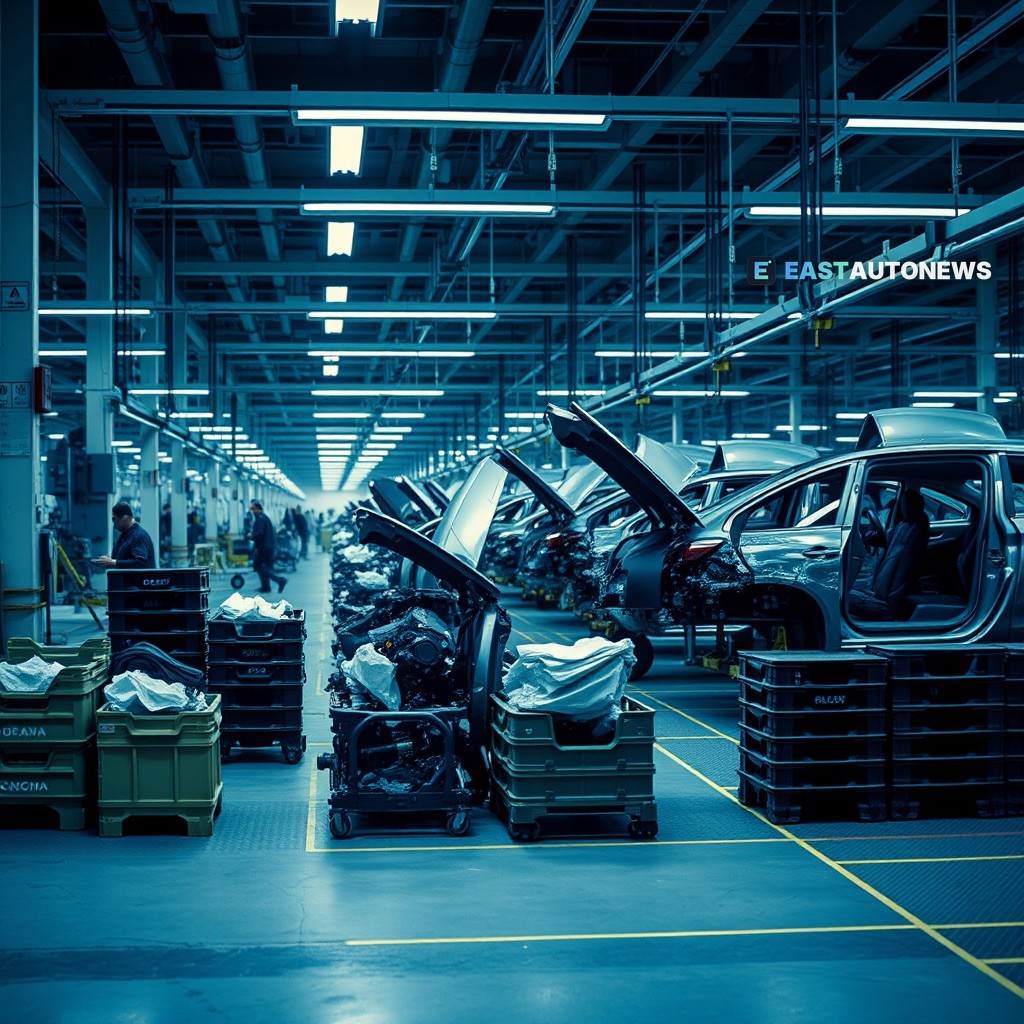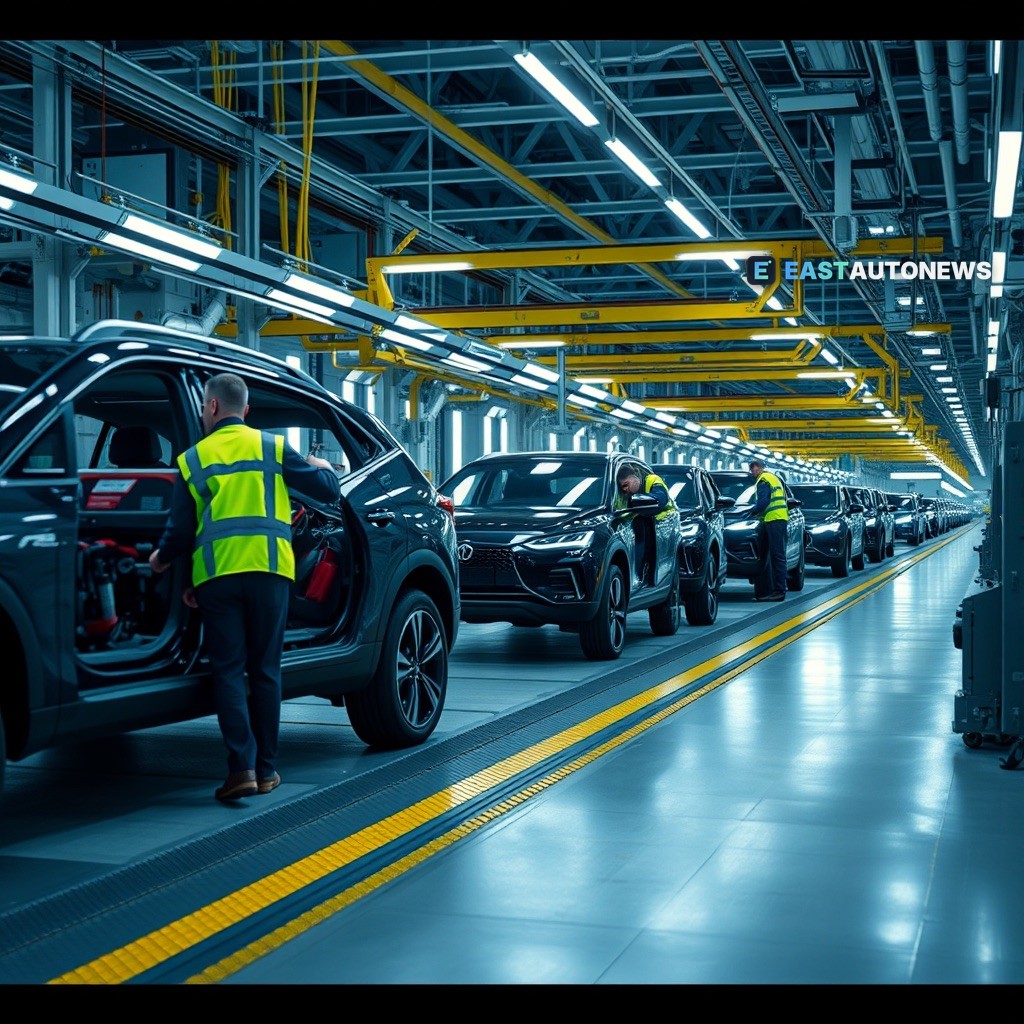
Stellantis has started building Leapmotor cars in Europe, WardsAuto reports. The start of production moves assembly of its Chinese partner's models onto European soil within the Stellantis industrial network, rather than relying on imports alone. For a group whose plants and suppliers are woven deep into Central and Eastern Europe's automotive heartlands, the development marks a notable step in how Chinese EV technology is being localized rather than merely shipped in.
The strategic logic is straightforward. Building inside Europe shortens supply chains and gives Chinese-brand volume a more sheltered route to market at a moment when, as WardsAuto's coverage notes, tariffs loom over the industry. For Leapmotor, meanwhile, Stellantis's manufacturing base and European market reach provide a scale that would otherwise take years to assemble from scratch.
The region's parts makers have the most at stake. New assembly lines demand wiring harnesses, lighting, interior systems, electronics and chassis components — the bread and butter of Central and Eastern European tier suppliers. The timing sharpens the opportunity: as EastAutoNews has reported, the EU's 70% local-content test has rattled suppliers, and Korean component makers are already targeting Czech supply chains to position themselves near Europe's EV build-out. Leapmotor's European output adds another anchor program — and another bidder — for capacity in the region's component clusters.
The broader current is unmistakably electric. WardsAuto's 2026 10 Best Engines & Propulsion Systems awards went entirely to electrified powertrains — a shift the publication itself calls historic — underlining how decisively the industry's center of gravity has moved. Battery supply chains, though, remain globally interwoven: even Jaguar's I-PACE relies on battery assemblies from LG Energy Solution, formerly LG Chem. Localized vehicle assembly, in other words, rarely means localized everything; it means European plants plugging into worldwide component flows, with suppliers competing for every contract along the way.
For B2B watchers, the signals to track next are concrete: which components are sourced locally for the Leapmotor lines, how local-content rules shape Stellantis's procurement decisions, and whether European output expands to further models or sites. Each nomination decision will ripple through the region's supplier base, from its assembly heartlands to component specialists in Czechia, Slovenia and beyond.
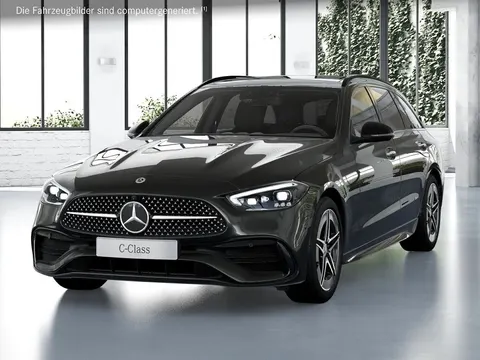
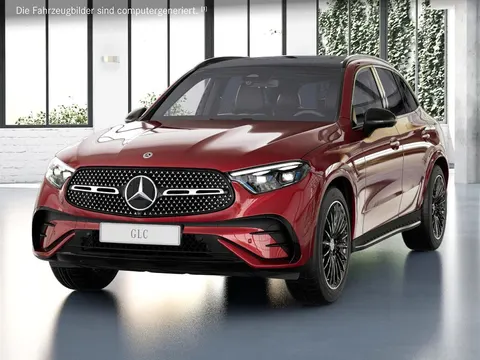
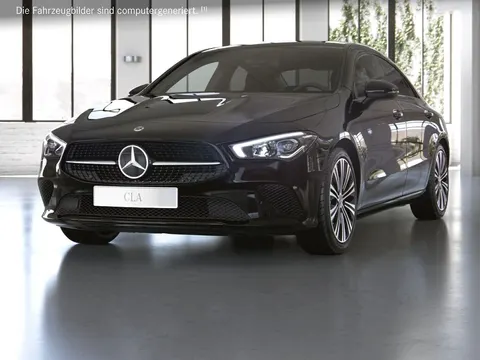
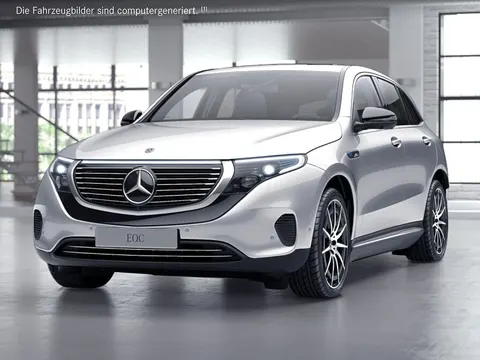
For buyers, meanwhile, more European-built Chinese-brand models promise broader choice and sharper price competition in showrooms across the region. Anyone weighing their next vehicle — from established Stellantis brands to the newest electrified entrants — can find sensational cars at sensational conditions at WorldTrader24, Europe's marketplace with over 70,000 vehicles, where comparing offers takes minutes rather than weekends.