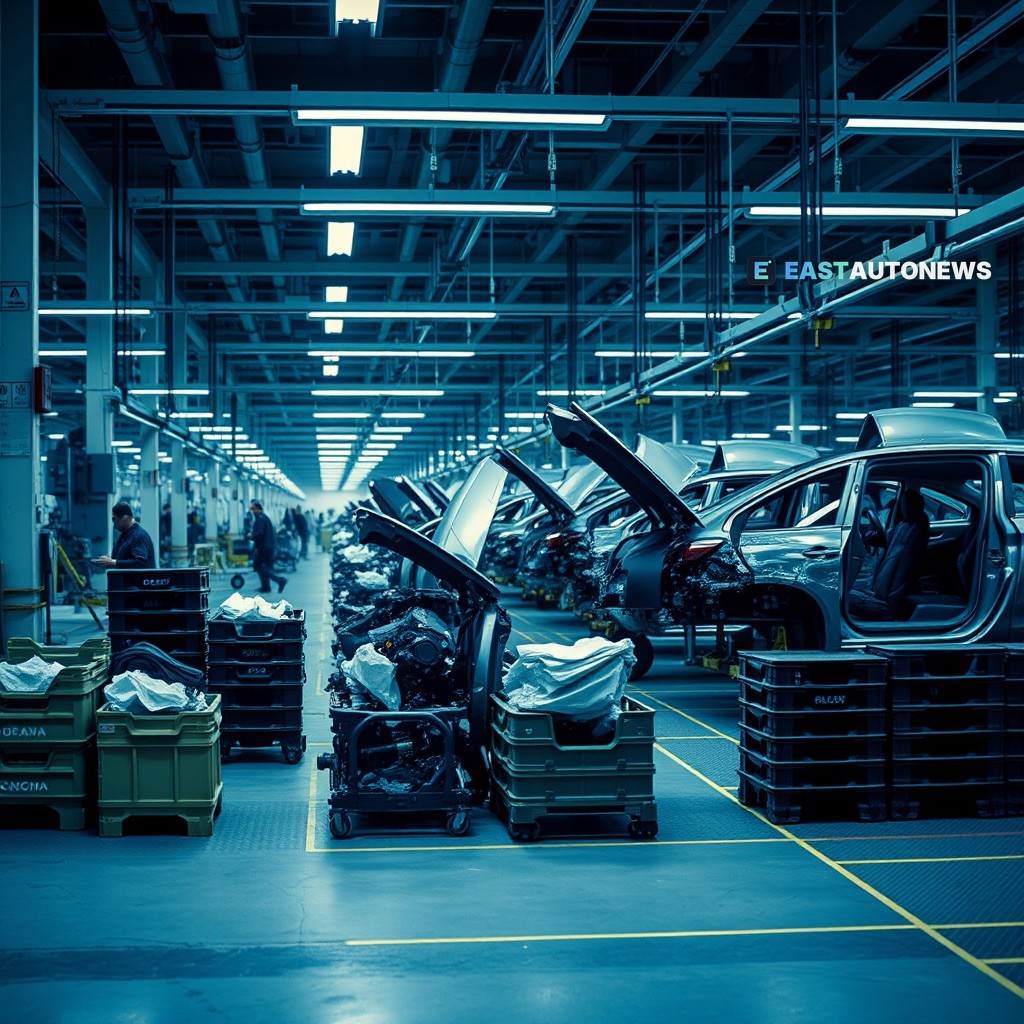
After months of deadlock over the IAA's potential impact on their own vehicle production, Germany and France have reached a key compromise on the EU's 'Made in Europe' push for the automotive sector. The deal would allow suppliers from non-EU member countries to take part in the plan, ending a standoff that had unnerved global parts makers and clouded the bloc's flagship localisation drive.
At the heart of the plan sits the requirement EastAutoNews reported when the 70% content test first rattled supplier boardrooms: 70% of the total value of a vehicle's components — excluding the battery — must be made in Europe. The compromise addresses who can help meet that test, giving suppliers based outside the EU a route into the scheme rather than leaving them shut out.
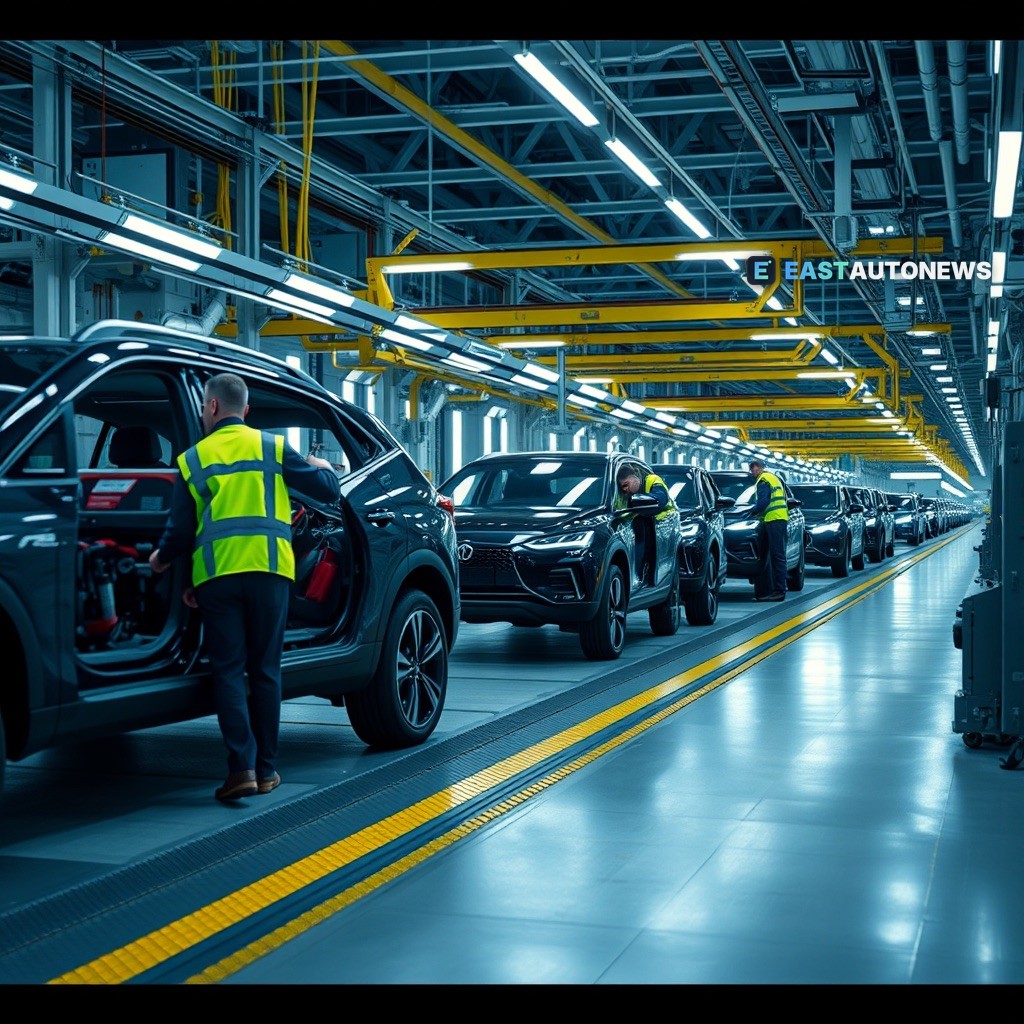
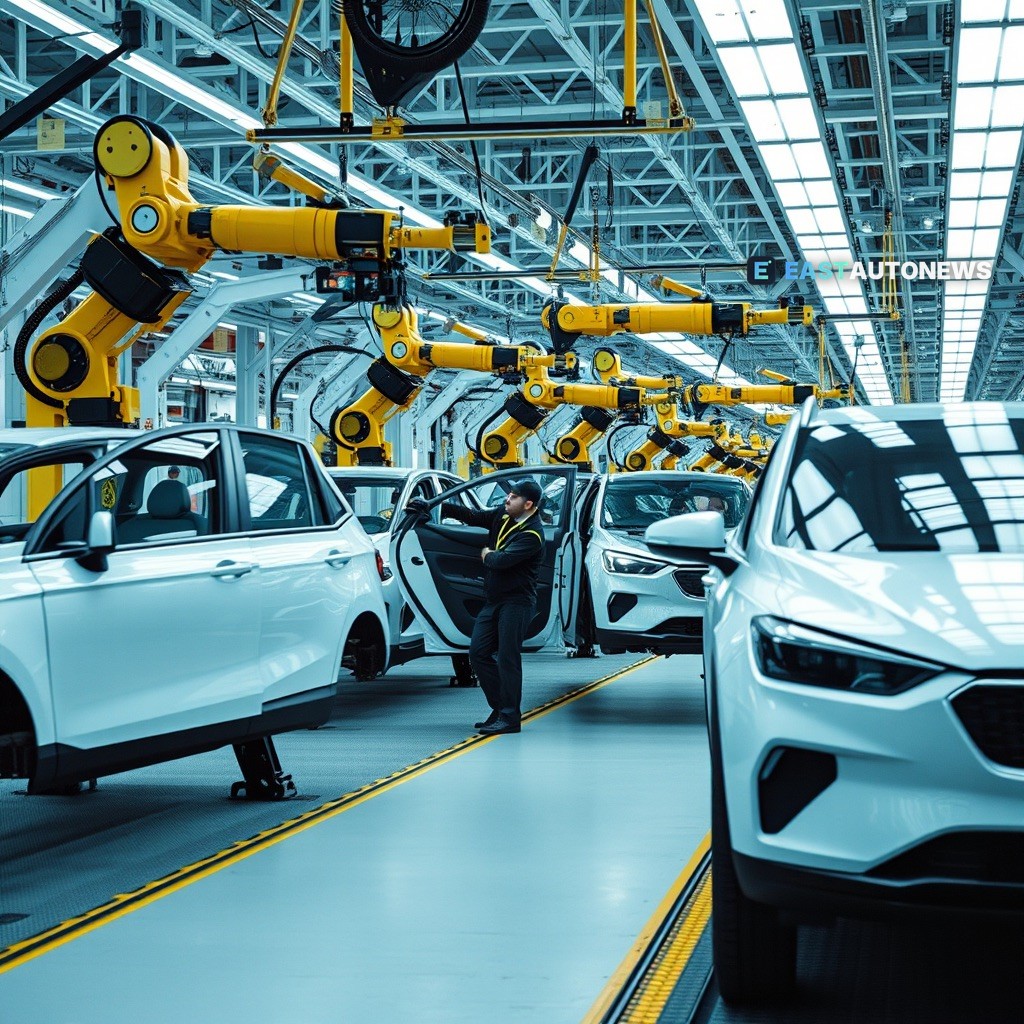
The fine print redraws the map for Europe's plants. Cars imported from Japan would not qualify for EU subsidies, while models built in France, Portugal and Eastern Europe would benefit only if enough of their parts come from Europe. For the region's assembly hubs, that condition is both an opening and a burden: subsidy access is within reach, but only for vehicles whose supply base is European enough to pass the test.
Turkey's auto exporters association is among those most unnerved, with the country's auto exports totalling €26.8 billion last year. For global auto suppliers more broadly, Germany and France's 'Made in Europe' push raises costs and competitiveness concerns, forcing a rethink of sourcing strategies built up over decades.
The localisation drive comes even as one of Europe's largest carmaker groups bets heavily abroad. Audi's move to invest $4 billion in a Georgia assembly plant signals VW Group's determination to reverse its U.S. fortunes, countering a slump in China and growing competition across Europe, as Automotive News reports. Suppliers are left navigating a twin agenda: European content will increasingly decide who wins EU support, while global footprints will decide who wins OEM volume.
For buyers and dealers, the policy shift will eventually be felt in showrooms, as subsidy eligibility shapes which models are promoted — and at what price. Anyone comparing the market can find sensational cars at sensational conditions at WorldTrader24, Europe's marketplace with over 70,000 vehicles, making it easier to weigh build location, spec and price before the content rules redraw Europe's subsidy map.