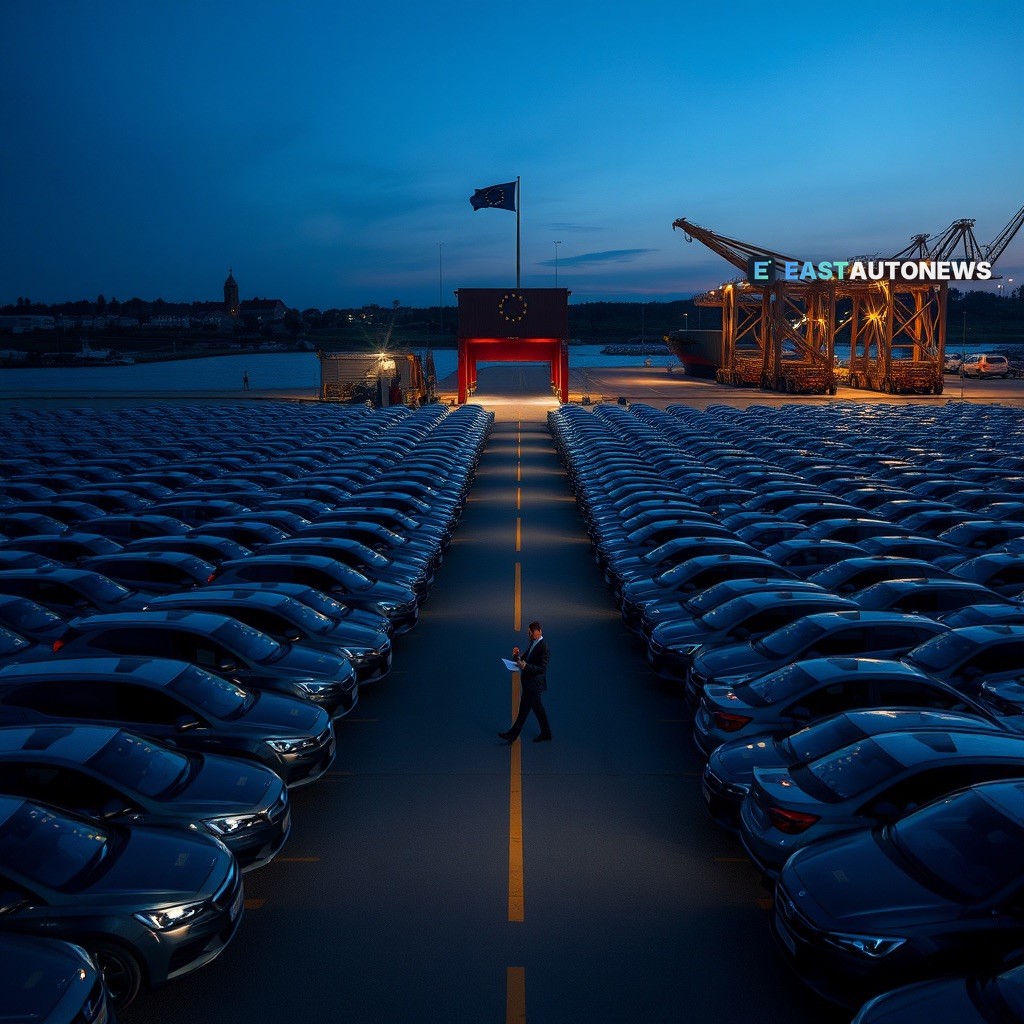
Where a car is assembled may soon matter far less than where its parts come from — and few places feel that shift as sharply as Hungary. Under the EU's emerging 'Made in Europe' plan, vehicles built in France, Portugal and Eastern Europe would qualify for Brussels subsidies only if enough of their components are sourced from Europe. For a country that has built its industrial appeal on hosting global production, that single condition turns every supplier contract on Hungarian soil into a strategic calculation.
The outline of the plan is already making global auto suppliers nervous. Cars imported from Japan, for instance, would not qualify for EU subsidies at all. Meanwhile, models built in France, Portugal and Eastern Europe would benefit only if enough of their parts come from Europe. In other words, an assembly plant in Eastern Europe is no longer an automatic ticket to Brussels' support — it is merely the entry condition for a much stricter test of content.
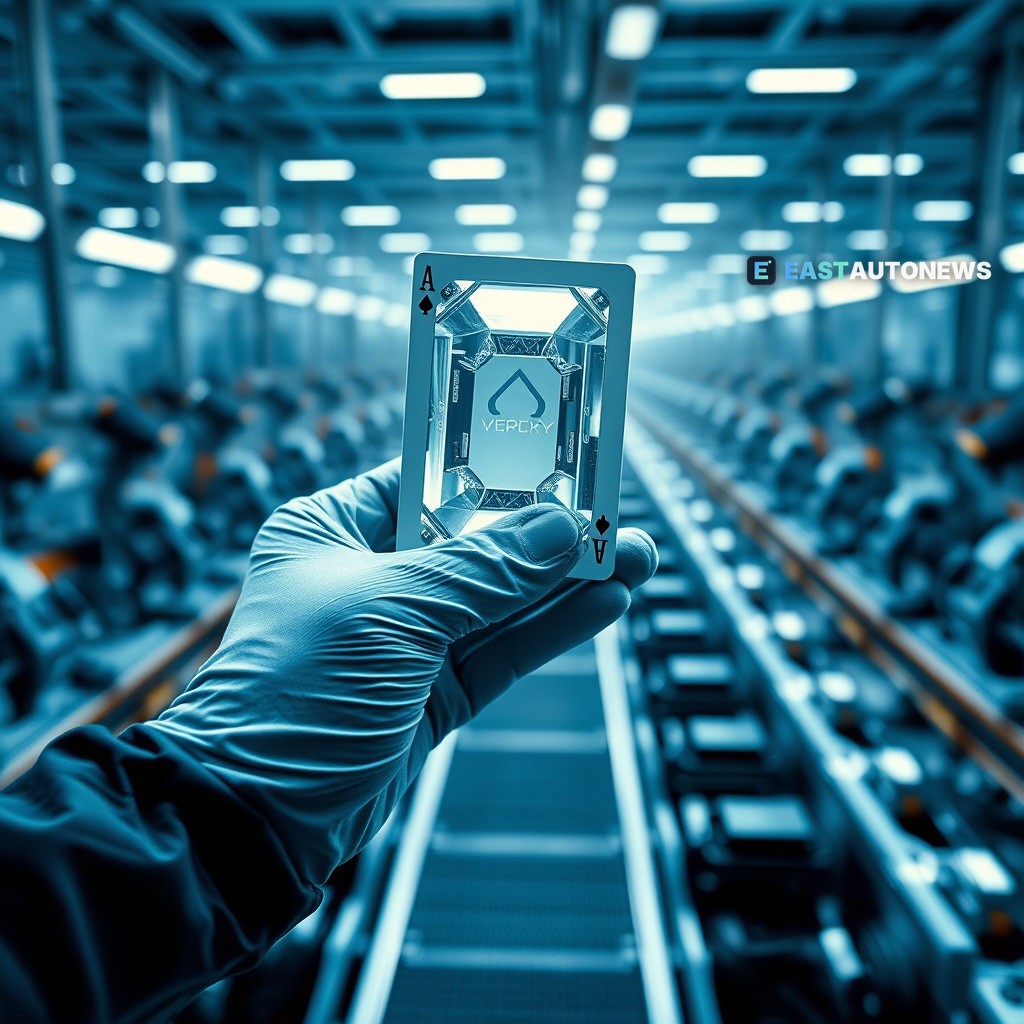
Yet Hungary holds a card much of the region can only envy: CATL, the world's largest battery maker, is expanding its production base to Germany, Hungary and Spain. The battery is the costliest component in an electric car — which means cells produced on Hungarian soil could help locally built models clear the European-content threshold. What looked like a straightforward industrial investment now doubles as potential subsidy insurance.