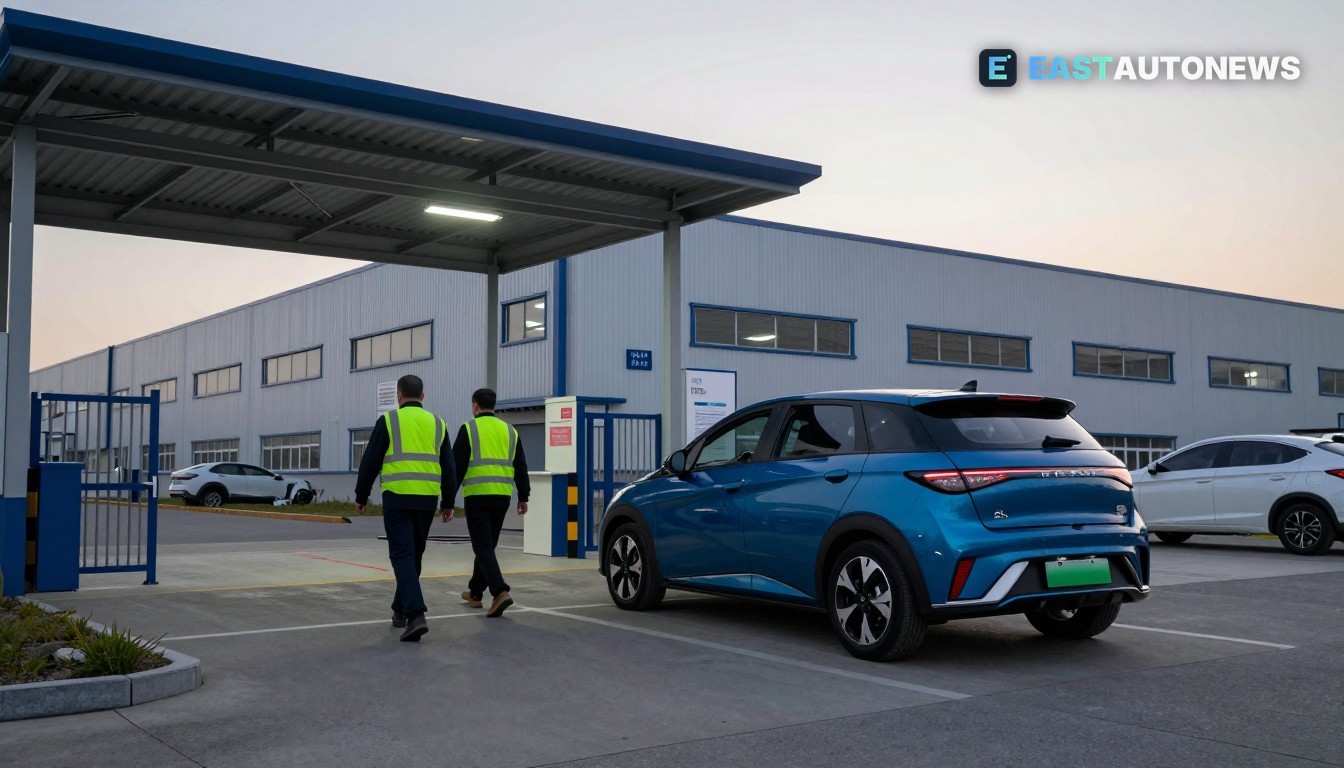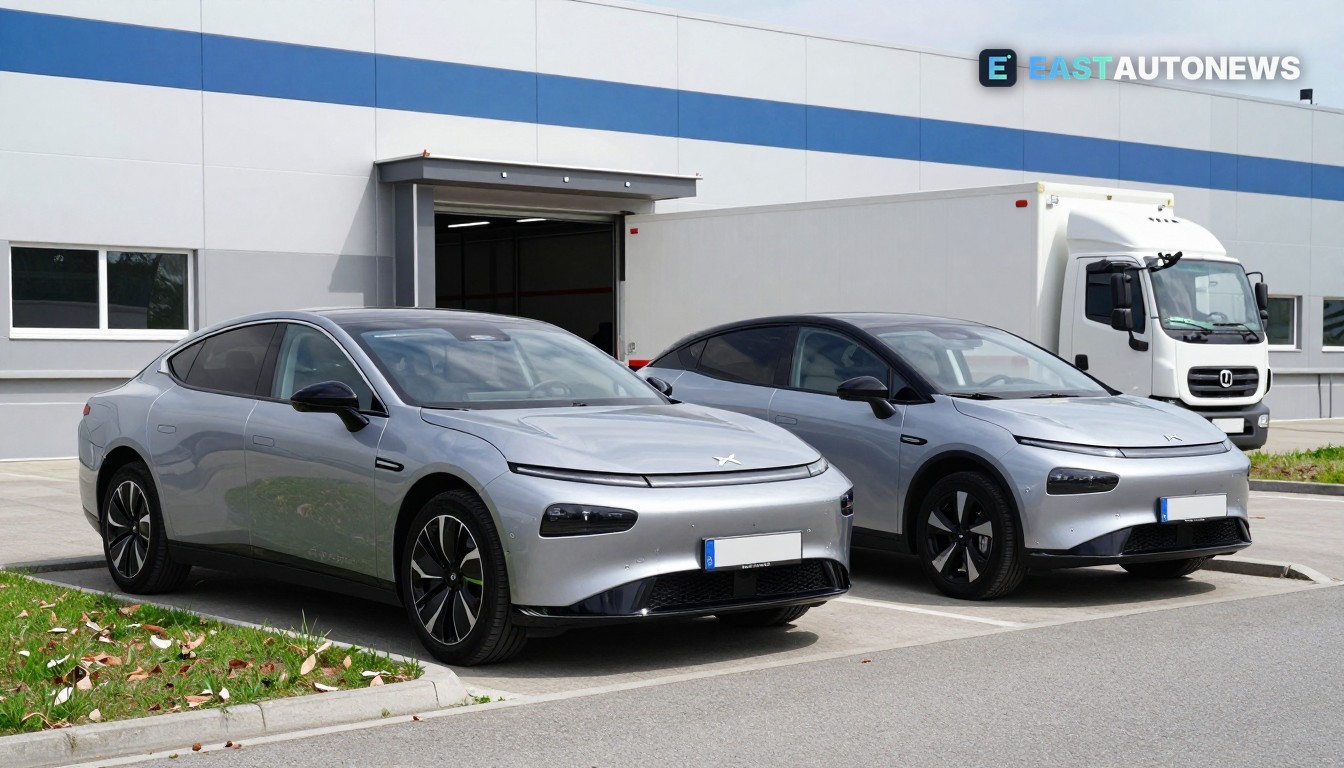
Slovenian outlets report that Chinese EV maker XPeng and contract manufacturer Magna are in advanced discussions to turn Magna’s Hoče facility, near Maribor, into a full vehicle assembly plant for XPeng models. The reports, published in early November, say an agreement could be reached before the end of 2026.
Deal outline and timeline
Local reporting cites an expected investment of roughly €500–600 million and puts potential output at up to 100,000 cars a year, with at least 1,000 jobs in assembly alone. Those figures were reported by Slovenian TV service 24ur and independently by regional press which cites industry sources. The papers suggest the first cars from Hoče could appear in 2029, with some Austrian coverage saying assembly might start as early as late 2028.
XPeng already finishes and assembles several models under contract with Magna in Graz, Austria (including recent production starts there), and company executives have told journalists they plan European expansion to meet upcoming EU local‑content rules. XPeng vice‑president Yeqing Zheng told Reuters in October that Graz’s capacity "is not even sufficient" and that a second European line would be needed within months — comments XPeng has said could be met by partners operating new or existing plants.
Site background
Magna’s Hoče site opened in 2019 as a paint and finishing plant but never progressed to full‑scale assembly after global supply shocks and changing OEM orders. The facility has only a few dozen employees today; previous state aid has been repaid and the site retains environmental approvals that would be needed to expand into body shop and assembly work. Local reporting notes land‑use and permitting hurdles remain and any state support would be announced by the government if talks progress.
What this means for the market
If confirmed, a Magna–XPeng deal to build complete vehicles at Hoče would be significant for Central and Eastern Europe. It would mark another step in Chinese brands localising production inside the EU to avoid extra import duties and to comply with the European Commission’s proposed "made in Europe" local‑content rules for electric cars — a policy driver XPeng executives have explicitly cited. Local assembly would shorten supply chains to European customers and could create demand for regional suppliers of body, trim and battery components.
For Slovenia, the project would revive a long‑awaited industrial development near Maribor and could create a cluster effect for suppliers across the Austria‑Slovenia border. But the site’s history — initial state support, delayed second‑phase investment and community concerns over land and environmental issues — means any contract would still face political and permitting scrutiny. Local authorities have said investor talks are confidential and will be disclosed if and when formal decisions are taken.
Electric vehicle listings on WorldTrader24 →
Sources: 24ur, Večer, Reuters