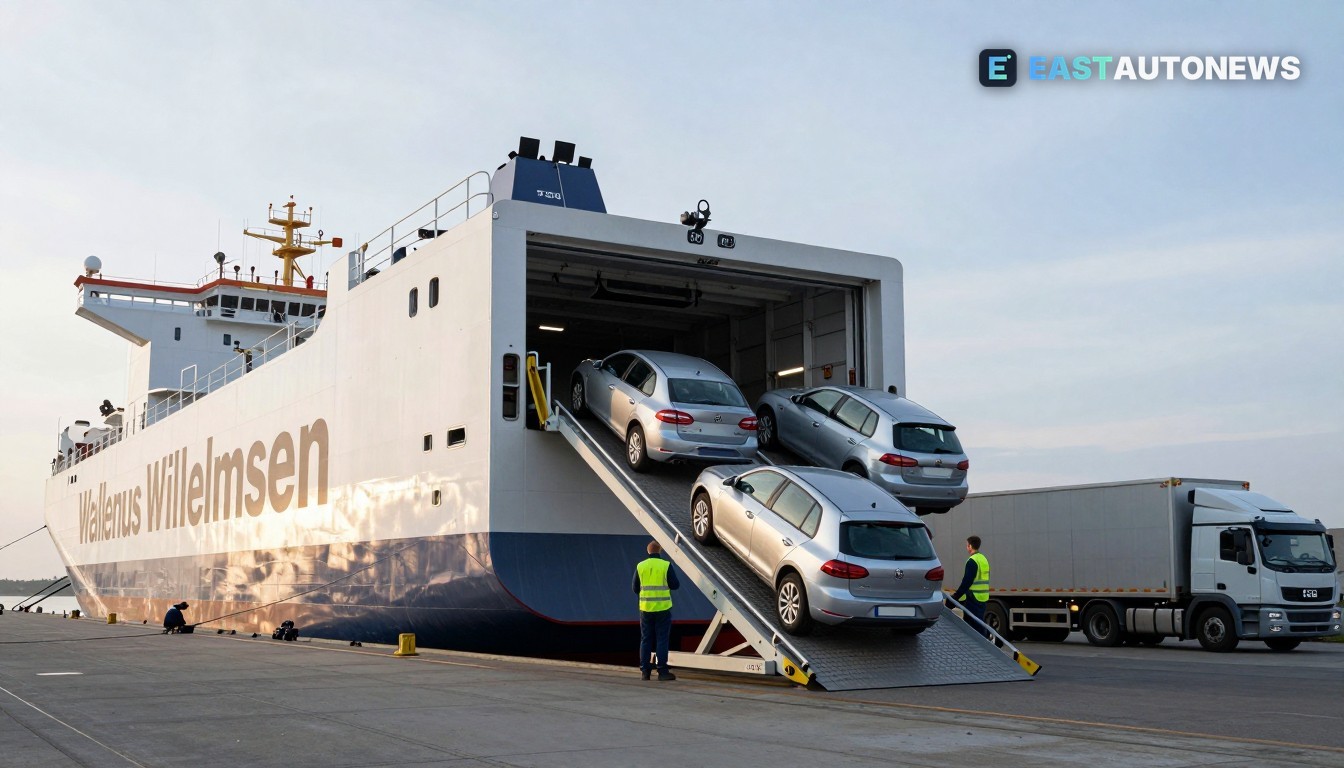
Wallenius Wilhelmsen said on 2 November 2026 that it has signed a three‑year ocean‑transportation contract with a leading Asian automobile manufacturer worth approximately USD 700 million, with a mutual option to extend the arrangement for up to two further years. The company described the rates as “in line with current market levels” and said the agreement adopts a multi‑fuel approach across trade lanes to allow for lower‑emission fuels over time.
Deal and fleet moves
The contract was disclosed in a Wallenius Wilhelmsen stock‑exchange announcement on 2 November and follows a 29 October notice in which the group revealed other multi‑year contracts and a newbuild programme. Wallenius Wilhelmsen says it operates around 130 vessels, 70 processing centres and an inland network across 28 countries — infrastructure that the company says underpins its ability to offer “end‑to‑end” vehicle logistics.
Industry press and market analysts noted the deal adds to a run of recent contract wins that Wallenius Wilhelmsen has announced, taking newly reported contract wins to more than USD 1.7 billion in a short span. Trade coverage also points out the operator is accelerating fleet renewal with orders for dual‑fuel Pure Car and Truck Carriers (PCTCs) and options to expand those orders further.
What this means for the market
For carmakers and logistics planners serving Central and Eastern Europe, the agreement matters because long‑term charters and fresh newbuild investment shape the availability and predictability of Ro‑Ro lift capacity into European ports — a critical input for finished‑vehicle exports and intra‑European distribution. Wallenius Wilhelmsen’s statement that the contract includes a multi‑fuel approach and long‑dated commitments signals carriers and OEMs are locking capacity while also planning for cleaner fuel blends on key trade lanes.
That said, the new PCTC tonnage referenced in market coverage will arrive over the medium term: reporting indicates scheduled deliveries for the latest newbuild tranche are expected between about 2030 and 2032, so the immediate operational effect will be on contractual capacity and rate stability rather than overnight increases in physical ship availability.
John Felitto, Wallenius Wilhelmsen’s Chief Customer Officer, said the USD 700m agreement “strengthens our position as a key logistics partner and gives us an even stronger foundation for providing end‑to‑end solutions across ocean, logistics, and supply chain services.” The company’s own disclosure underlines that the contract spans multiple trade lanes and is designed to be flexible as fuel options evolve.
For CEE ports and inland distribution hubs that rely on competitive Ro‑Ro schedules — from Bremerhaven and Zeebrugge in the west to Baltic and Adriatic gateways used as transshipment points — the deal is a reaffirmation that major car carriers are prioritising stable long‑term partnerships with OEMs even as they invest in lower‑emission tonnage. How that translates into spot‑market rate moves or slot availability this season will depend on final routing choices by the OEM and the phasing of the carrier’s existing fleet commitments.
B2B vehicle listings on WorldTrader24 →
Sources: Wallenius Wilhelmsen, Splash247, Shippax