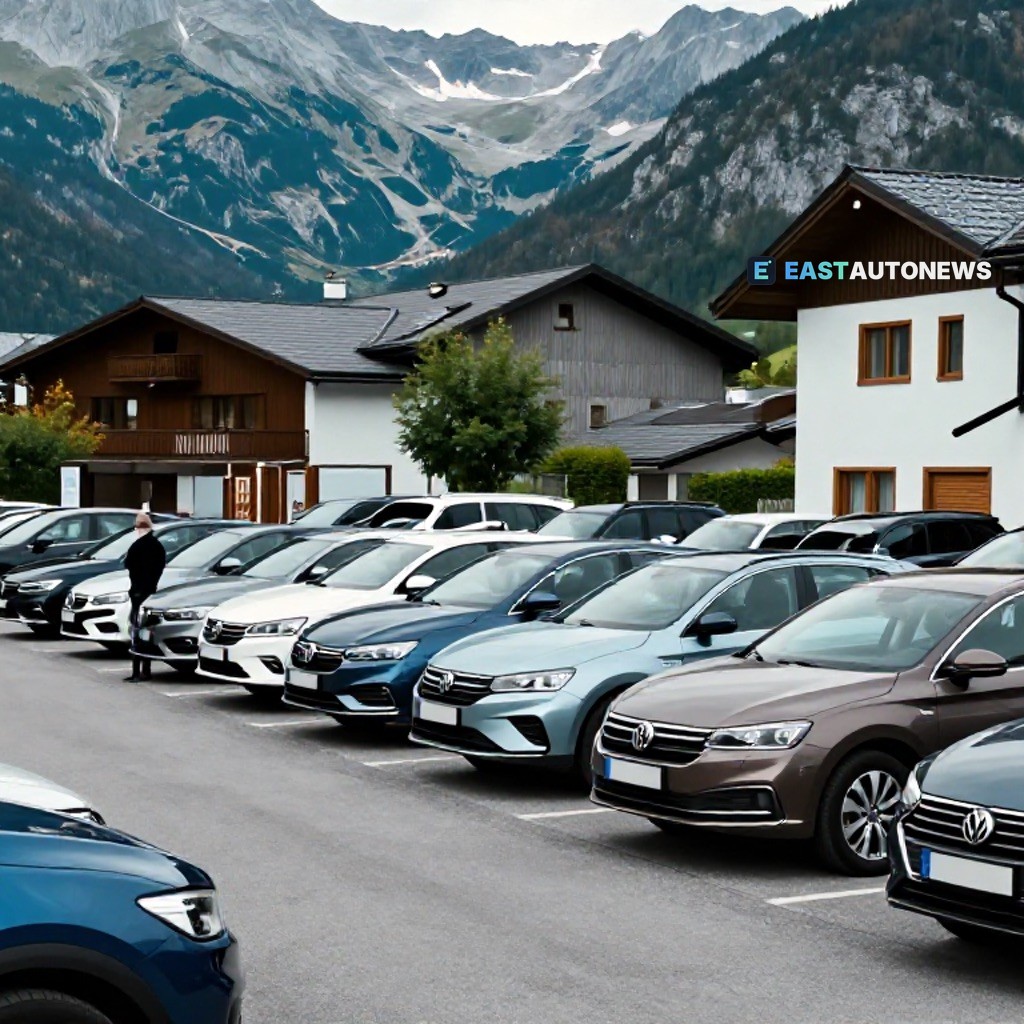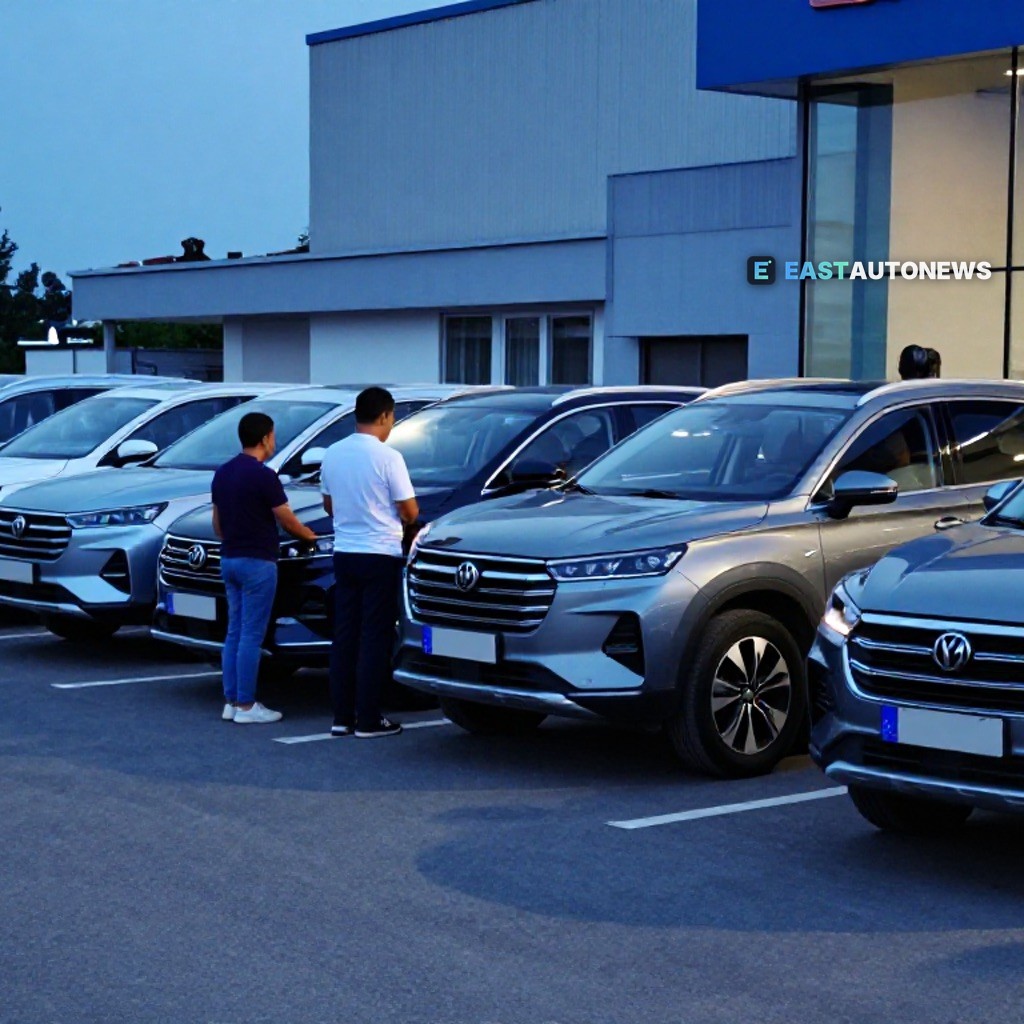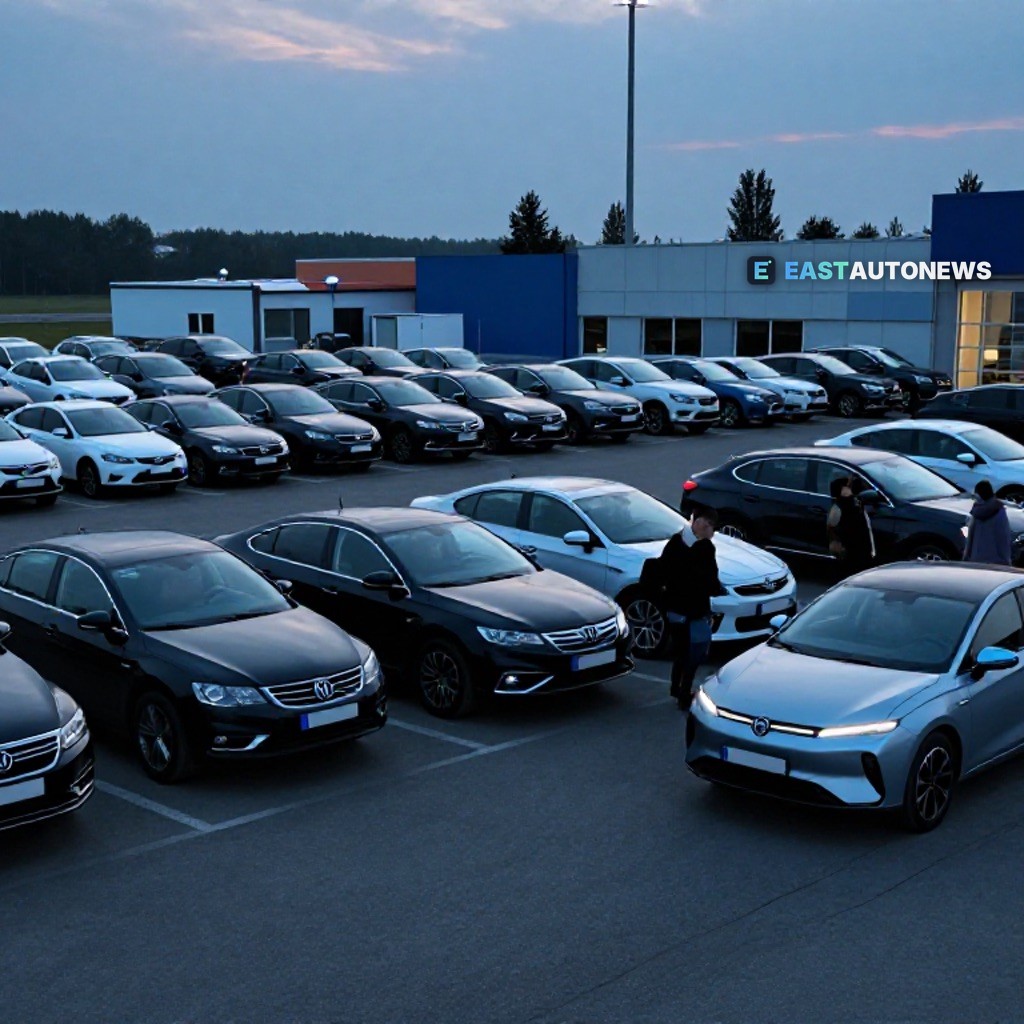
Twelve thousand, one hundred and sixteen. That is how many new cars found a buyer in Romania in October — 5.6 percent fewer than a year earlier, and the latest sign that 2026 is turning into a difficult year for a market long regarded as one of the region's growth engines. The year-to-date tally has slipped 10.1 percent to 109,329 units, and the deeper the data goes, the sharper the picture gets.
The third quarter was the bleakest stretch yet: car registrations fell 19.8 percent year-on-year, according to figures from the National Institute of Statistics (INS). What makes the slump remarkable is the continental context. Of Europe's larger new-car markets, the UK grew fastest, expanding by 10.2 percent, while Belgium, the Netherlands and Romania were the only large markets to have weakened thus far in 2026. Romania's problem, in other words, is not Europe's problem.
The pain is sharpest for the home champion. Dacia, the Mioveni-based behemoth that has long dominated Romanian driveways, is down 18.2 percent and — as Best Selling Cars Blog puts it — 'in great difficulty again,' even while holding a market share of around 23 percent. Yet there is a telling twist inside the brand's own showroom: the entry-level Logan has climbed to number one in the year-to-date model rankings. When Romanian buyers do sign on the dotted line, they are reaching for the most affordable badge on the wall.
The second twist comes from China. Even as the overall market shrank, BYD broke its volume record in Romania in October — evidence that the Chinese advance is claiming share even where demand is falling. For every incumbent watching Dacia's home turf, a shrinking pie with a fast-rising challenger is about the most uncomfortable combination imaginable.
The corporate backdrop adds a final layer of irony. Automobile Dacia climbed from 27th to 24th in the ranking of Central and Eastern Europe's largest companies — part of a broader pattern in which Romania's biggest firms outperform regional peers on revenue growth yet remain underrepresented among the region's leaders. Romanian retail, meanwhile, is booming: Lidl's turnover rose 11.2 percent and Carrefour's 13.1 percent, with Lidl Discount itself advancing from 35th to 33rd in the regional table. Households are still spending — just not on new cars. That divergence is the puzzle every OEM and dealer in Bucharest will be trying to crack heading into 2027.
For Romanian drivers weighing a purchase in a market this volatile, a well-sourced used or nearly-new vehicle can be the smarter move — and the choice has never been broader. Readers looking for a vehicle can find sensational cars at sensational conditions at WorldTrader24, Europe's marketplace with over 70,000 vehicles.