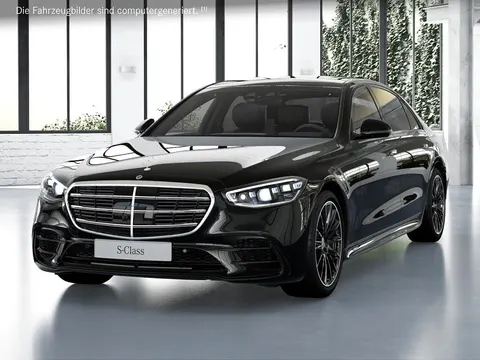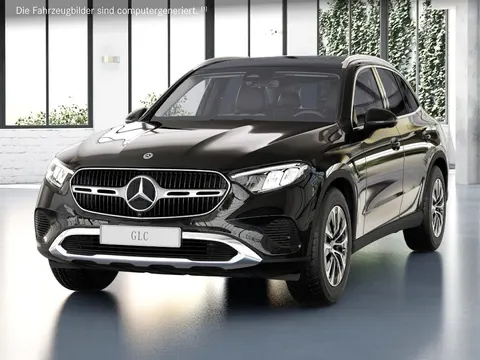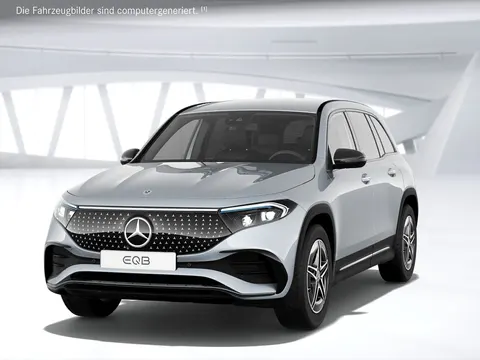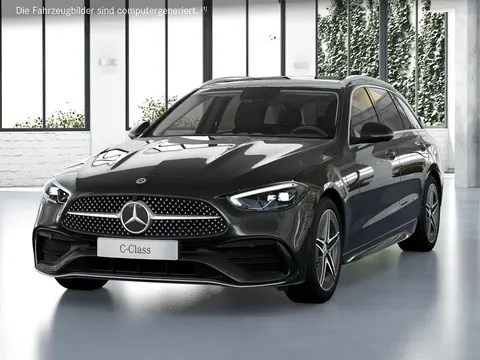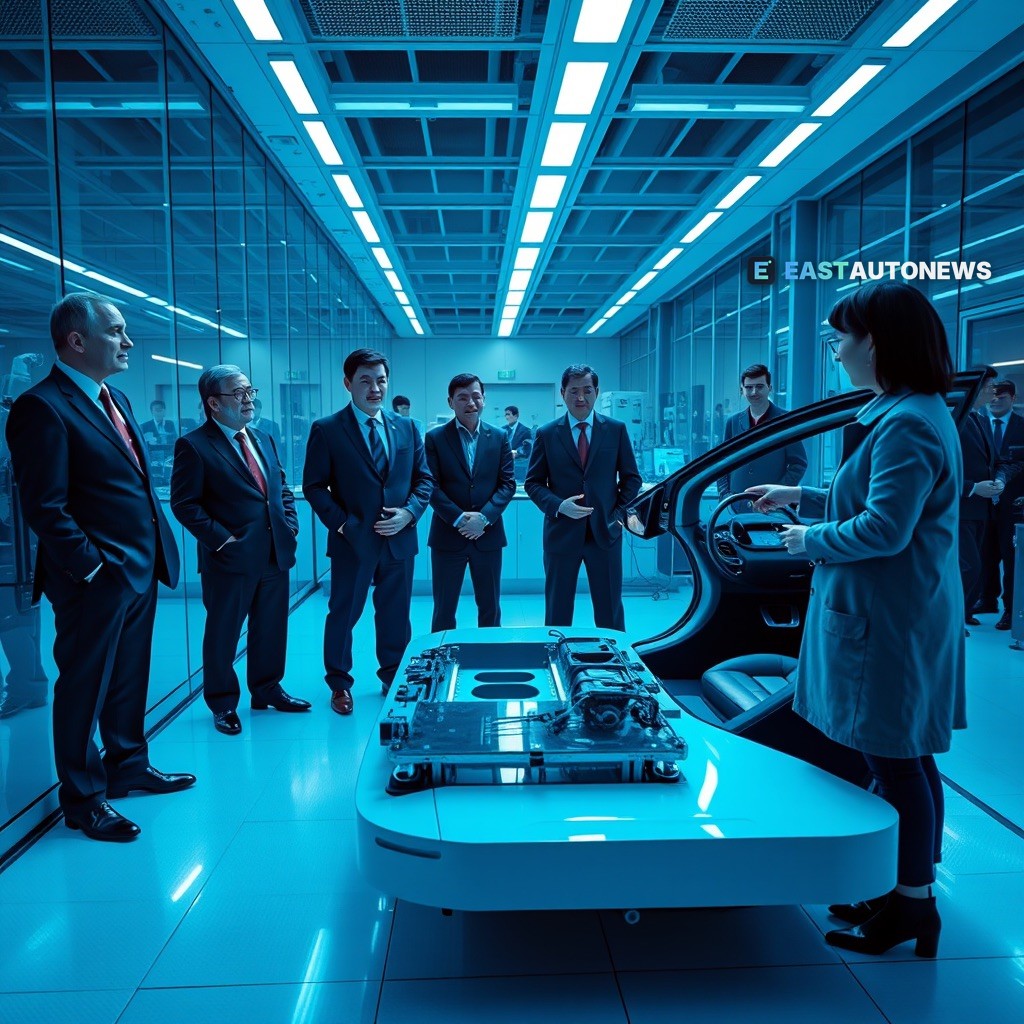
BMW, Mercedes-Benz, Volkswagen and Volvo are rethinking their strategies for China as sales and profits slide, betting on local development and Chinese technology while domestic rivals keep gaining share, Automotive News reports. The shift amounts to an admission that business as usual is no longer working in China — but analysts openly question whether the new playbooks will restore European pricing power.
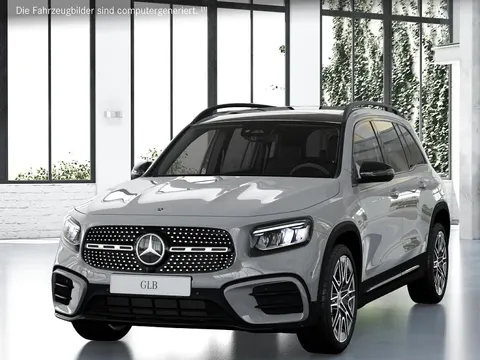
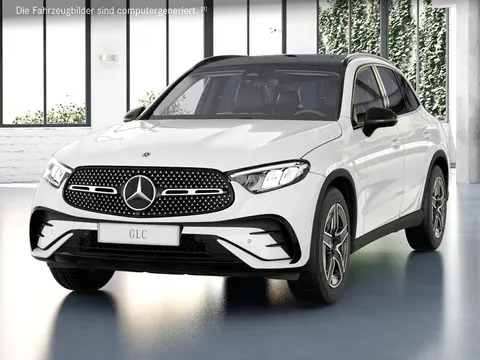
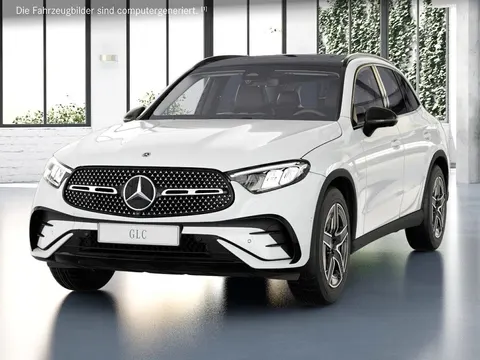
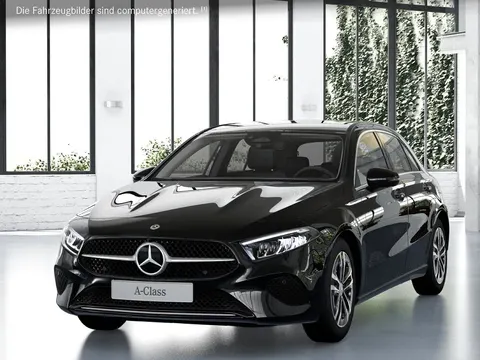
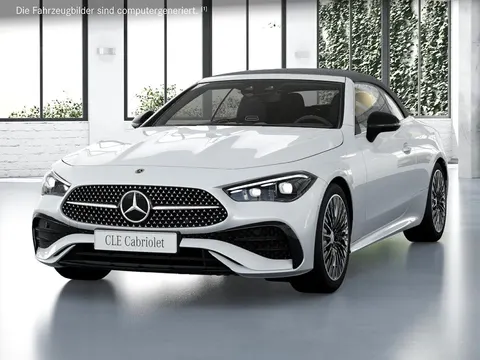
Mercedes-Benz illustrates the squeeze from both ends. The group has cut its 2026 Cars return-on-sales forecast to 2–3%, analysts keep trimming their targets, and one German market report notes that the company's China strategy still “awaits a rewrite”. Yet the carmaker continues to buy back its own stock, repurchasing 904,601 shares last week, ad-hoc-news reports.
There are bright spots in the numbers: Mercedes points to strong contributions from Financial Services and Vans, and its model offensive continues to gain momentum with record sales of fully electric vehicles. The stock recently traded at 40.84 euros, up 0.39% ahead of the Xetra opening — thin comfort for a group fighting to defend both margins and market position at once.
For Eastern Europe, the outcome of the China reset matters well beyond the boardroom. Mercedes has already anchored part of its electric drivetrain footprint in the region: the company said its plant in Sebes, in central Romania, would start manufacturing electric drive units for EQ models as of 2024, SeeNews reported. When group margins compress, the ripple reaches CEE plants, suppliers and dealer networks quickly.