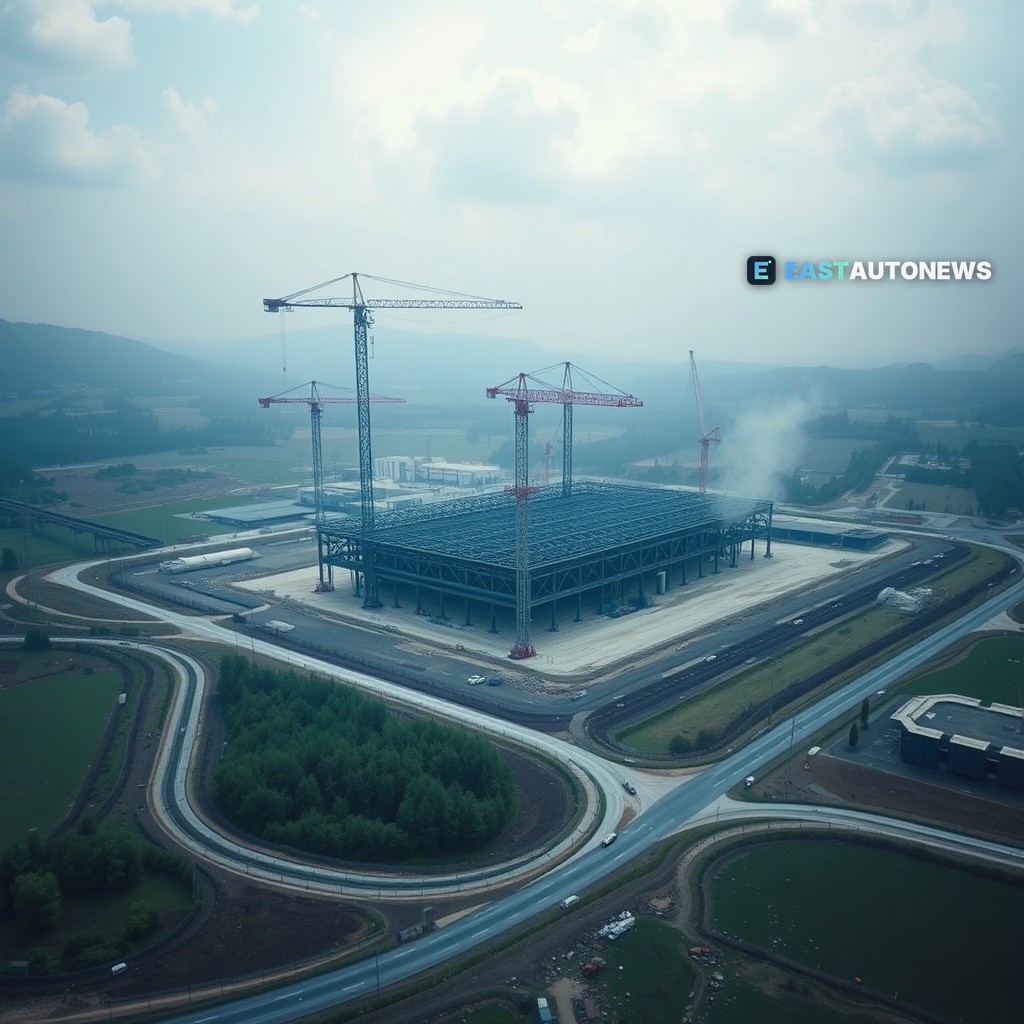
Great Wall Motor has confirmed Bahovitsa, near Lovech in Bulgaria, as the location for its first European plant, putting a concrete site at the heart of the automaker's effort to expand across the region. For Central and Eastern Europe's trade and logistics operators, the significance is straightforward: production inside the EU promises shorter supply lines and regional parts flows than the long-haul import routes that have so far carried Chinese vehicles to European customers. The decision also hands Bulgaria a flagship role in the continent's shifting automotive geography.
The Bulgarian commitment lands as Chinese brands deepen more than assembly plans in Europe. Xiaomi, one of China's most hotly anticipated EV makers, has established a technical centre in Germany and poached former BMW M engineers to develop performance models — including the YU7 GT, which has claimed the SUV lap record at the Nürburgring — even as the brand locks in showrooms as far afield as Australia. The signal for European incumbents is unmistakable: Chinese carmakers are building engineering capability inside Europe, not just shipping cars to it.
The flow, notably, runs both ways. BMW, Mercedes-Benz, Volkswagen and Volvo are rethinking their China strategies, betting on local development and Chinese technology as domestic rivals gain share at home — though analysts question whether those strategies will restore European pricing power. The emerging picture is a two-way localization race: European incumbents embedding deeper in China while Chinese challengers put down roots in Europe. For CEE markets, that points to intensifying competition on pricing, sourcing and product cadence from both directions.
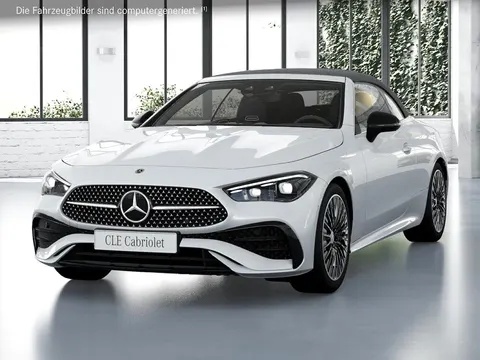
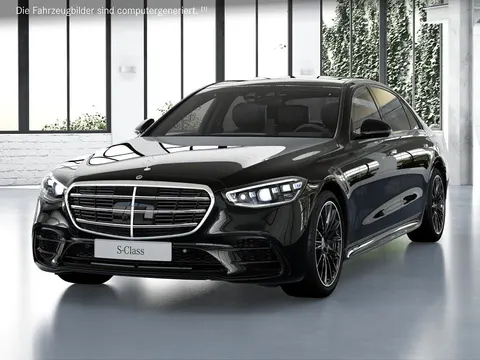
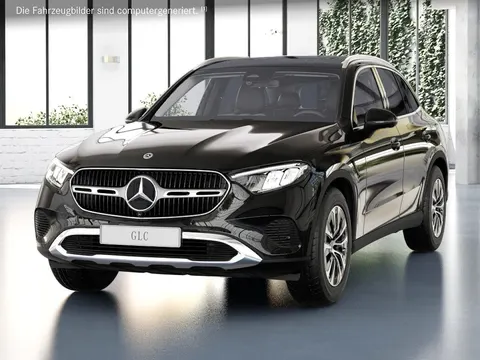
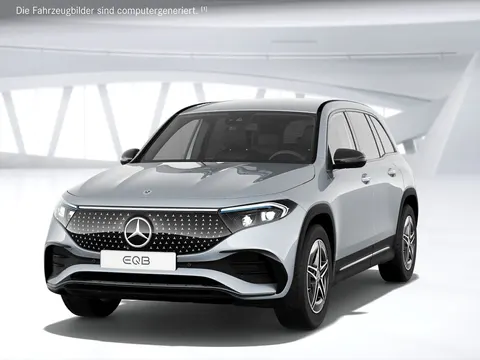
The trade picture extends upstream as well. Europe is courting Central Asia's critical minerals as producers there push for local processing rather than raw exports, working with materials including tungsten and molybdenum to make industrial products such as tungsten oxide and carbide, along with molybdenum bars and briquettes. For automakers and suppliers repositioning their global footprints, secure and locally processed material flows are part of the same strategic equation. For the region's dealers and buyers, meanwhile, the practical effect of this redrawn map is broader choice — and marketplaces such as WorldTrader24.de, Europe's platform with more than 70,000 vehicles, make it easy to compare incoming brands against established names before committing to a purchase.
As production sites and engineering centres multiply across the region, the buying side of the market is changing just as fast. Anyone weighing their next vehicle will find sensational cars at sensational conditions at WorldTrader24, Europe's marketplace with over 70,000 vehicles — a smart first stop before the new industrial map translates into showroom prices.