The European Union and China announced a shared understanding on hybrid‑vehicle trade after talks in Beijing on 8–9 October 2026, with European Trade Commissioner Maroš Šefčovič saying the deal would “moderate” exports of hybrid and plug‑in hybrid cars to the bloc. The joint statement set out several deliverables — including measures on hybrid vehicles and facilitation of rare‑earth and magnet licences — and pledged follow‑up talks in January and a third ministerial meeting in March 2027.
Deal details and the numbers
Media reporting based on internal planning documents seen by Bloomberg put the headline figure for the measure at 350,000 Chinese hybrid vehicles in the first year, with an annual increase of about 6% thereafter and a four‑year framework for the safeguard. Some reports said the Commission aims to have implementing measures ready so the cap could take effect from 1 December 2026 (reporting and planning details published 11–16 October 2026). Reuters and the Commission’s readout confirm only a “shared understanding” and left implementation mechanics to follow‑up work.
Why CEE firms and factories are watching
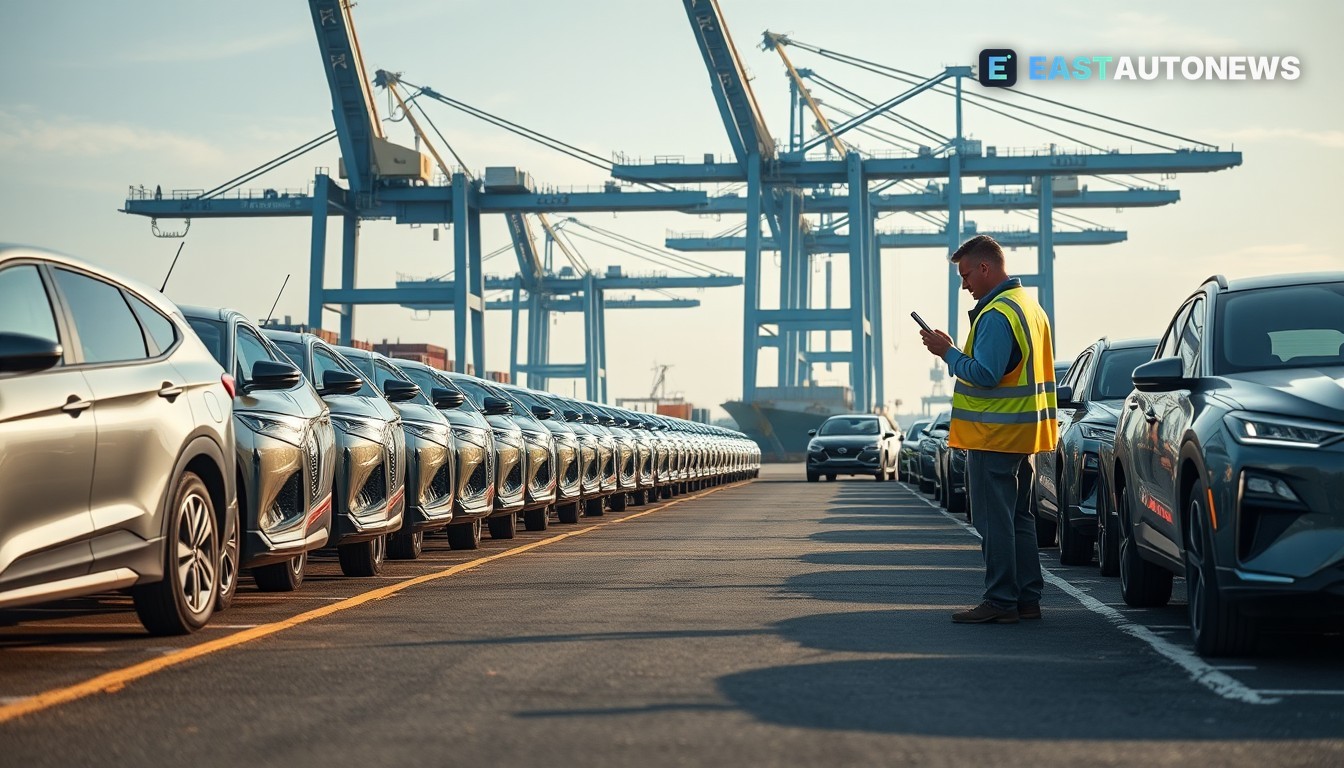
The timing matters for Central and Eastern Europe because Chinese brands have already used imports and selective local production to grow EU market share rapidly. EU data and policy briefs cited during the talks suggested plug‑in hybrid imports from China rose sharply in 2026 and that, on current trajectories, Chinese hybrid shipments to the EU could reach roughly 800,000 this year — far above the proposed first‑year ceiling. That surge is one reason Brussels and several member states pressed for a managed solution.
What this means for the market
First, an enforceable cap or a tariff‑rate quota would lower the near‑term flow of Chinese hybrids into the single market and give European and local CEE factories more breathing room to sell into EU markets. Second, the deal increases the commercial incentive for Chinese OEMs to localise production inside the EU (or in tariff‑friendly neighbours) to avoid quotas — a trend Bloomberg and Caixin have reported Chinese manufacturers are already pursuing. That localisation drive is exactly why Central and Eastern Europe has been in many companies’ shortlists for plants, assembly lines and supplier investment.
Third, Brussels has signalled it may use the hybrid framework as a template for safeguard measures in other sectors. Bloomberg reporting in late October shows the Commission is already analysing sectors such as chemicals, machinery and furniture for similar action — a development that would widen the policy stakes for CEE supplier chains that feed European OEMs.
Finally, the agreement remains a political and technical process rather than an immediate hard barrier: the Commission’s joint statement does not publish quotas or legal instruments, and industry participants say allocation rules, carve‑outs (for vehicles built in the EU by Chinese firms) and WTO compatibility will determine real outcomes. CEE governments and suppliers should therefore expect negotiations on allocation, exemptions and implementation details to unfold through January–March 2027.
Hybrid vehicle listings on WorldTrader24 →
Sources: Reuters, Bloomberg, OSW Centre for Eastern Studies, Caixin Global