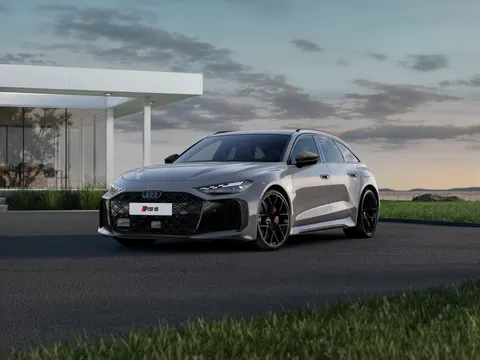
Romania’s new environment minister, Natalia Intotero, said on 3 November 2026 that the government intends the 2027 edition of the Rabla scrappage programme to “have as a priority passenger cars from European Union manufacturers.” The announcement came as the ministry reopened a small top‑up session of Rabla Auto 2026 with 35.4 million lei of funds on 3 November.
What the change would be
Under the plan signalled by the minister, the Rabla support available in 2027 would be limited in practice to vehicles manufactured inside the EU from 2027 through 2030, reversing the 2026 scheme’s origin‑neutral approach. The current 2026 ecoticket for a battery‑electric car is 18,500 lei (about €3,460 using the ECB reference rate of 5.3428 RON/EUR on 3 November 2026). The ministry said it expects the 2027 budget to be “much bigger” than this year’s allocation of roughly 300 million lei.
The ministry relaunched a small remainder of Rabla Auto 2026 on 3 November — 35.389 million lei — in a session that opened at 10:00 and was intended to run until funds were exhausted or until 31 December. Local reporting and industry trackers noted the tranche for electric and plug‑in cars was claimed extremely quickly.
How industry players reacted
Romanian outlets picked up immediate industry attention because the 2027 guideline would exclude electric models built outside the EU — including some high‑volume imports. TeslAnt noted the Shanghai‑built Tesla Model 3, Romania’s best‑selling electric model in October, would be affected if an origin rule is adopted. The minister framed the preference as a way to secure a larger, producer‑agreed budget for 2027 and to support domestic and EU‑based manufacturing.
What this means for the market
For European and CEE production hubs, a Romania origin rule would boost the value of nearby assembly and component capacity. Manufacturers with EU plants — or those moving more output to Europe — would gain a clearer sales advantage in Romania’s purchase incentives. Conversely, brands that rely on Asian production for key volume models could see Romanian demand fall unless they redirect supplies to EU lines or qualify under any transitional exemptions. The scale of the effect depends on the size of the 2027 Rabla budget the ministry negotiates with producers; Intotero said she wants that budget to be “much bigger” than 2026’s 300 million lei.
Romania’s move follows wider EU‑era debates about “made in Europe” content in subsidies and is likely to sharpen sourcing decisions for brands selling in CEE. Dealers and fleet buyers should expect clearer preference signals in national incentive design during 2027 budget talks; manufacturers should be prepared to show EU provenance on models they want to remain eligible.
Electric vehicle listings on WorldTrader24 →
Sources: News.ro, TeslAnt, European Central Bank