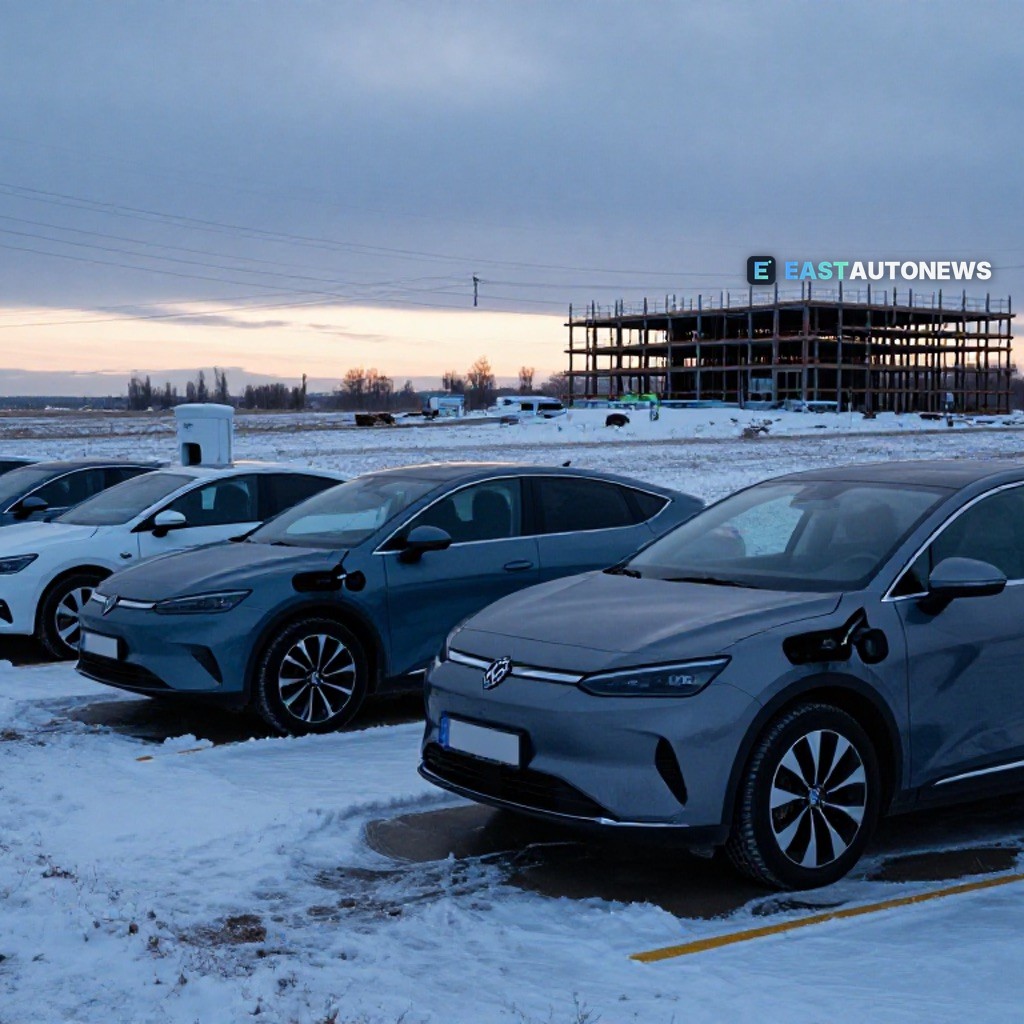
In Ukraine, the relationship between a car and the power grid has never been an abstraction. A country that has watched its energy infrastructure become a front line knows better than most what electrons are worth — and a study published this month suggests the region around it will now lead Europe's next wave of electric vehicle growth. The finding turning heads across the industry: smart charging could cut the continent's EV-related grid costs by a striking 40 percent.
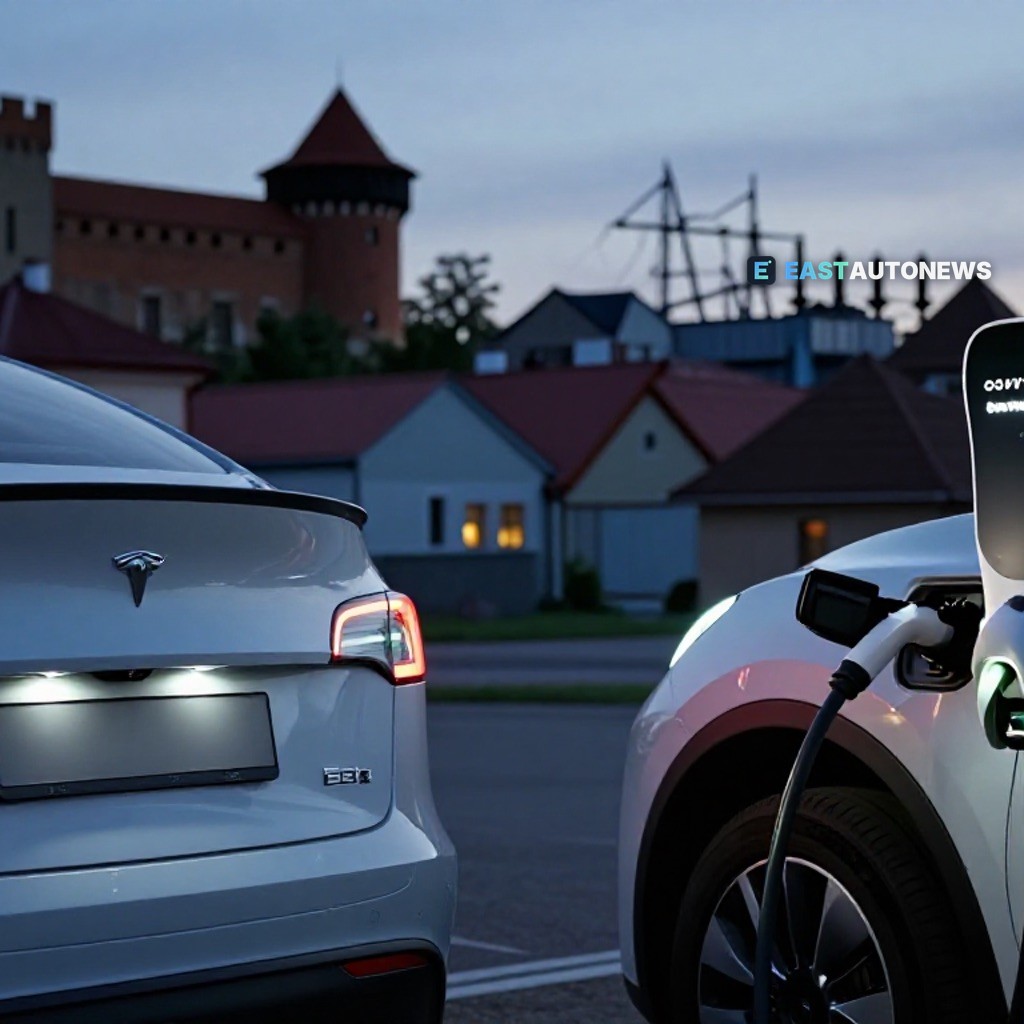
The research, reported by TimesLIVE, maps where the money must flow. The greatest need for grid investment is expected in Germany, followed by Norway, Belgium and the Netherlands — the markets already carrying the heaviest EV fleets. But the growth curve bends east: the fastest spread of electric vehicles is forecast in Eastern Europe, albeit from a lower starting base. For countries such as Ukraine, that is a rare second-mover advantage — charging networks can be designed smart from day one, rather than retrofitted at eye-watering cost decades later.
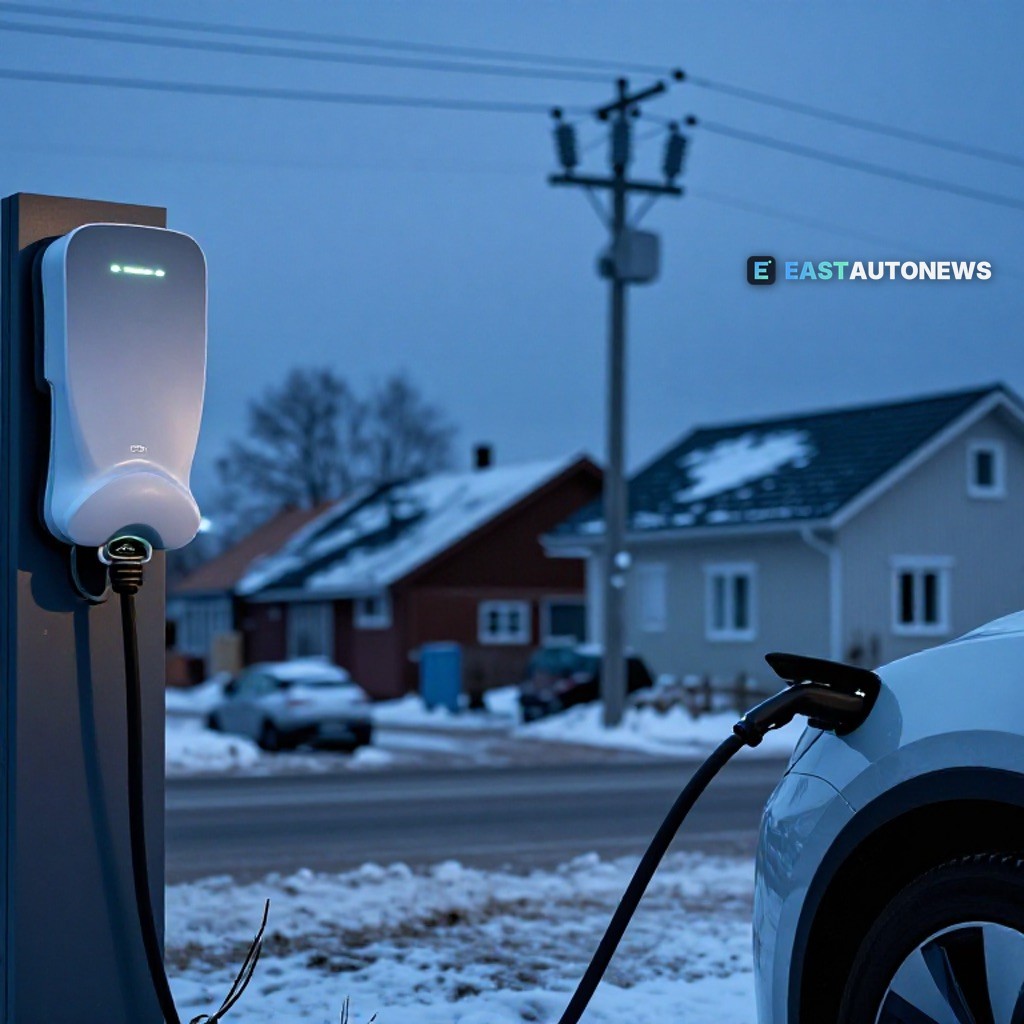
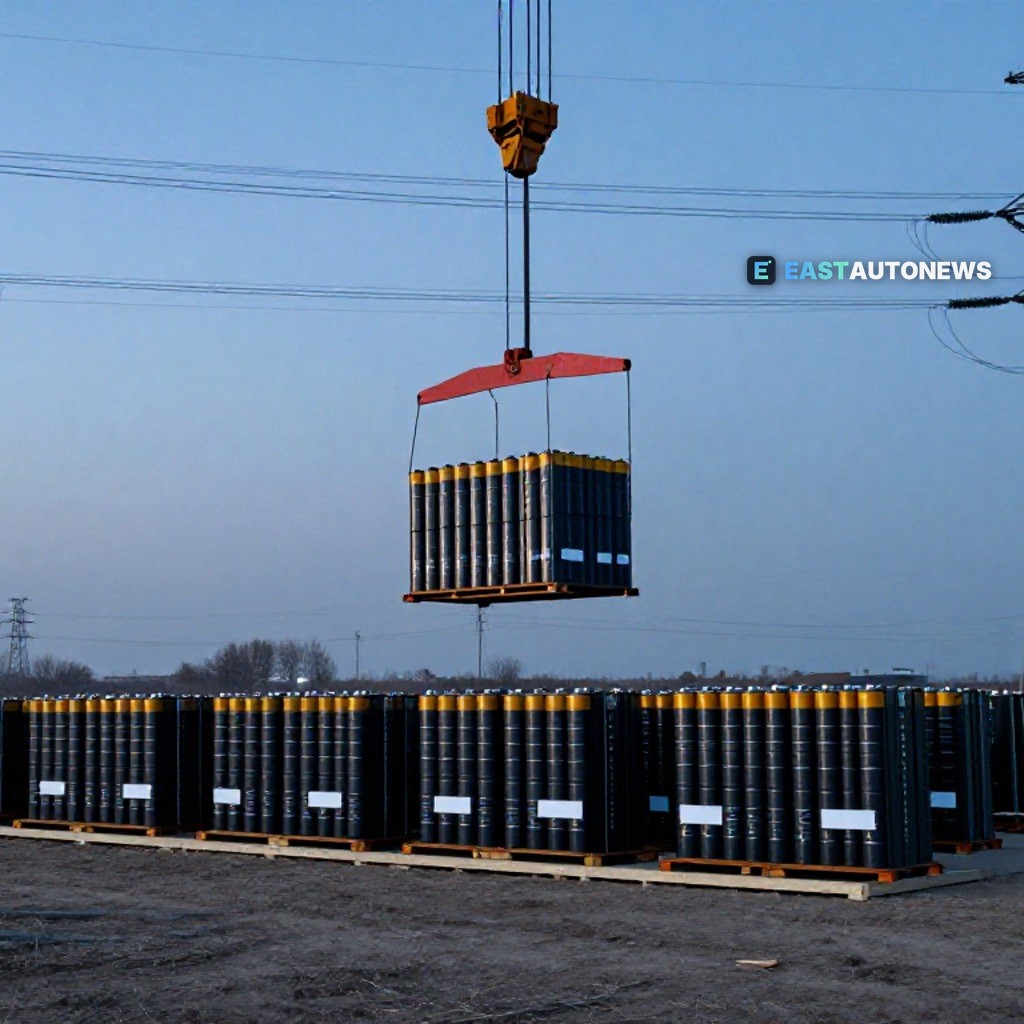
The timing, however, is awkward. Elli, the German charging specialist owned by the Volkswagen Group, will cease production of electric vehicle charging equipment — including the home wallboxes that anchor private charging — and wind down its development work. One of Europe's most recognisable charger makers stepping back, just as the continent's fastest-growing EV region needs hardware most, leaves a conspicuous gap. Analysis published by Technology.org warns that Europe's EV boom already risks running on foreign power, with only a handful of European ventures — Porsche among them, with a roughly €1 billion dedicated battery module facility — mounting a direct counteroffensive against the Eastern influx of suppliers.
Then there is the threat that no one in Ukraine needs explained. Security fears are mounting across Europe that public chargers could become targets for Russia-linked attack, and the concern has reached the top of the industry. Mike Hawes, chief executive of the UK's Society of Motor Manufacturers and Traders, argues that given existing cyber security and software update standards, "it is right that public charging infrastructure is similarly protected." In a region where substations and power lines have themselves been battlegrounds, treating a charger as critical infrastructure is not a scare story — it is a procurement line item.
For fleet operators, utilities and distributors from Kyiv westward, the message is double-edged. The east holds the growth, and the smart-charging playbook offers a 40 percent cost escape route — but hardware supply, strategic autonomy and physical security now all belong in the same tender. The region that electrifies fastest will also be the region that has to defend its electrons hardest.
Whatever happens to the grid, the vehicles keep coming — and buyers hold the trump card. Anyone weighing the switch to electric, or simply hunting for their next car, will find sensational cars at sensational conditions at WorldTrader24, Europe's marketplace with over 70,000 vehicles.