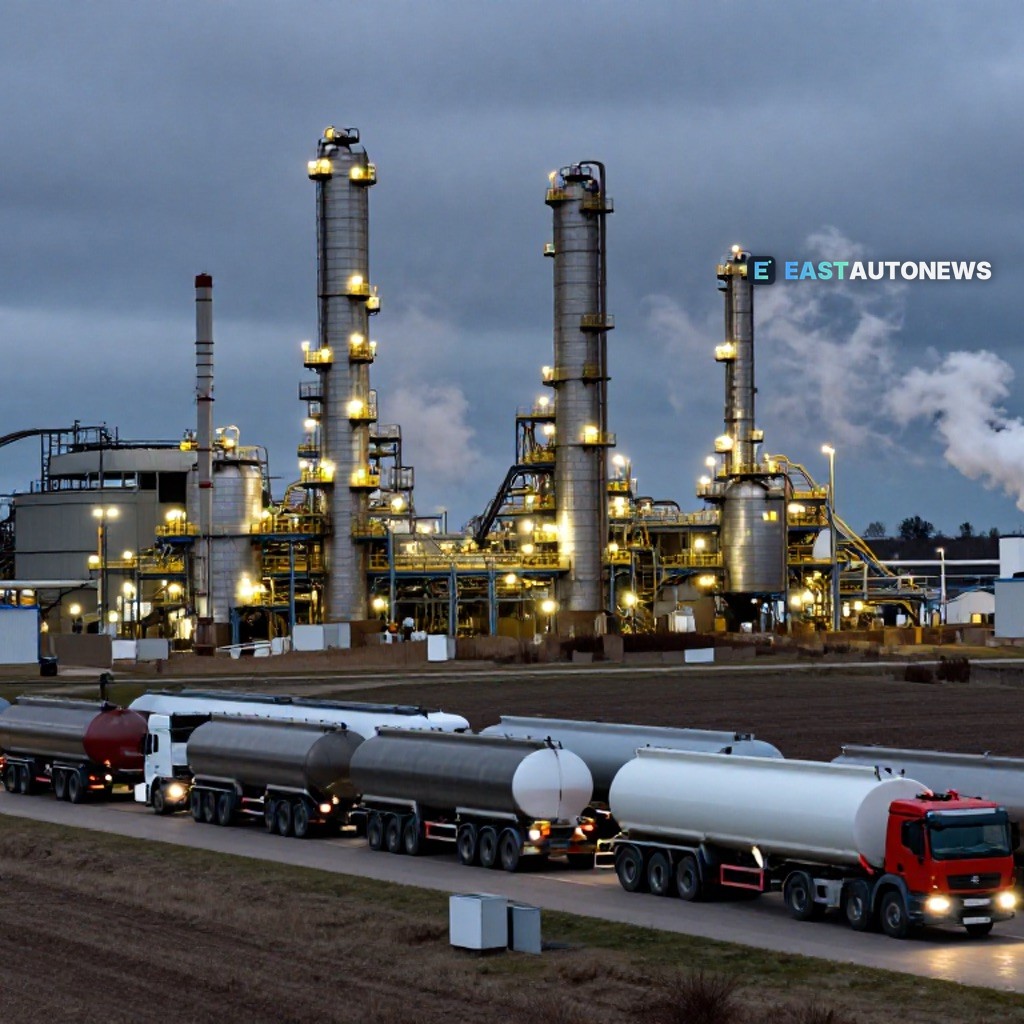
On the flatlands of northern Lithuania, in the town of Mažeikiai, stands a piece of infrastructure no other Baltic state can claim: the region's only oil refinery. This week, a warning carried by Polish media has dragged that plant into an uncomfortable spotlight, arguing the Baltic states are at risk of losing their sole refining asset — and the numbers behind the debate explain why the conversation is getting louder rather than quieter.
The arithmetic is stark. Over the past 20 years, Orlen Group has invested more than $5 billion in the Mažeikiai refinery, according to figures cited in Polish media, while its Lithuanian arm, Orlen Lietuva, has generated only about $1 billion. That is a thin return on one of the largest industrial bets ever placed in the Baltics — the kind of gap that invites hard questions in any boardroom about what the next twenty years are worth.
For the automotive and logistics industries, this is not an abstract energy story. Mažeikiai sits at the base of the Baltic fuel chain — the pumps, depots and fleets that keep goods moving between Vilnius, Riga and Tallinn. The timing only sharpens the debate: Europe's automotive and auto parts sector has just posted its fastest output growth since June 2021, according to S&P Global's Europe Sector PMI data for October. A region with accelerating road transport demand and an uncertain local refining base is a region that risks importing its margin along with its fuel.
Lithuania's wider corporate landscape, at least, is in respectable shape. The country counts 23 companies among the region's top 500 — ahead of Croatia's 17, Serbia's 15, Slovenia's 13, Estonia's ten and Latvia's five, and within touching distance of Slovakia's 25 and Bulgaria's 26. Mažeikiai is a cornerstone of that industrial ranking, which is precisely why talk of its fragility resonates far beyond the refinery fence.
None of this means the plant's fate is sealed — it means the question is now on the table in Warsaw and Vilnius alike. For a country built on trade, ports and logistics corridors, the prospect of losing the Baltics' only refinery is a strategic headache with no easy substitute. The next moves by Orlen and Lithuanian policymakers will say a great deal about how the region values industrial assets that are hard to build and even harder to replace.
Whatever happens at Mažeikiai, the vehicles that depend on its output will keep rolling — and businesses will keep buying them. Anyone in the market for a car or a commercial vehicle can find sensational cars at sensational conditions at WorldTrader24, Europe's marketplace with over 70,000 vehicles.