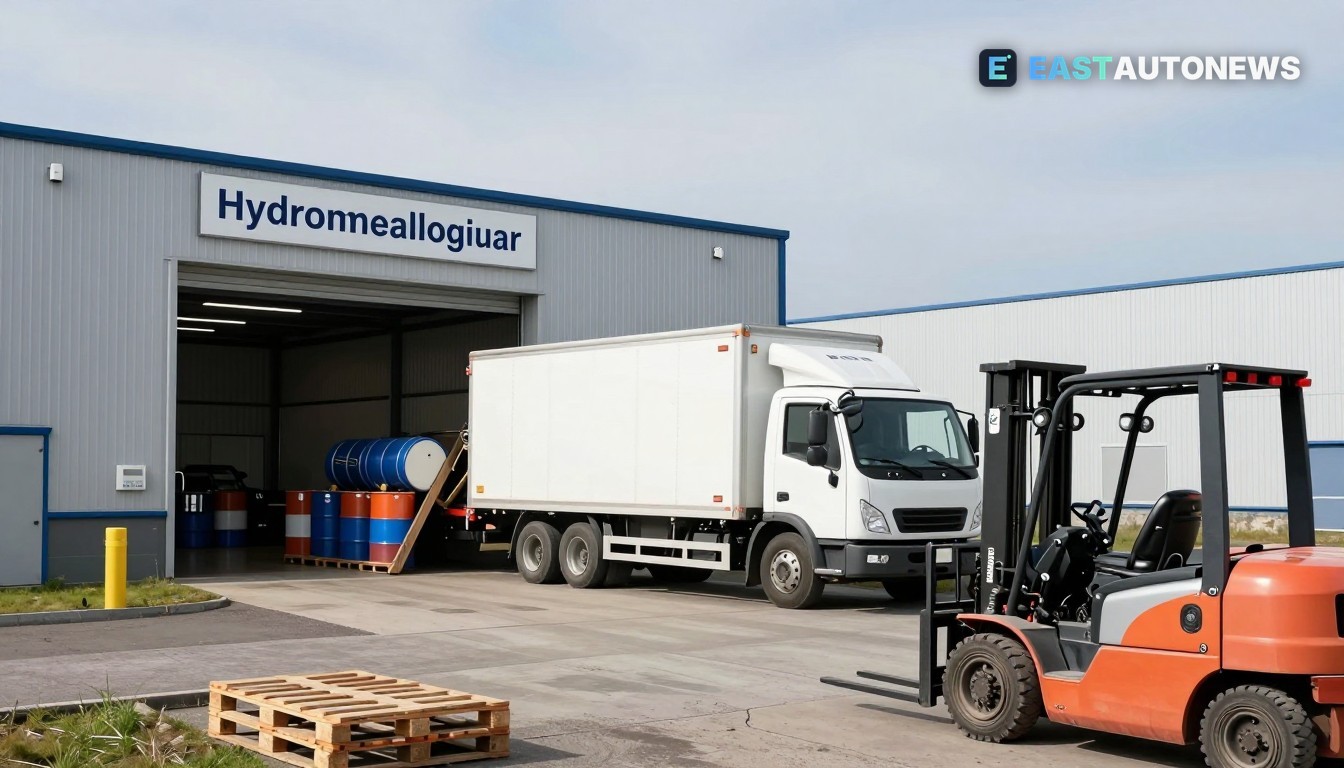
Veolia has opened a large‑scale hydrometallurgical plant to process 'black mass' from end‑of‑life electric‑vehicle batteries in France's Grand Est region. The inauguration took place on 12 November 2026, with Veolia executives and European Commission representatives in attendance.
Plant, capacity and outputs
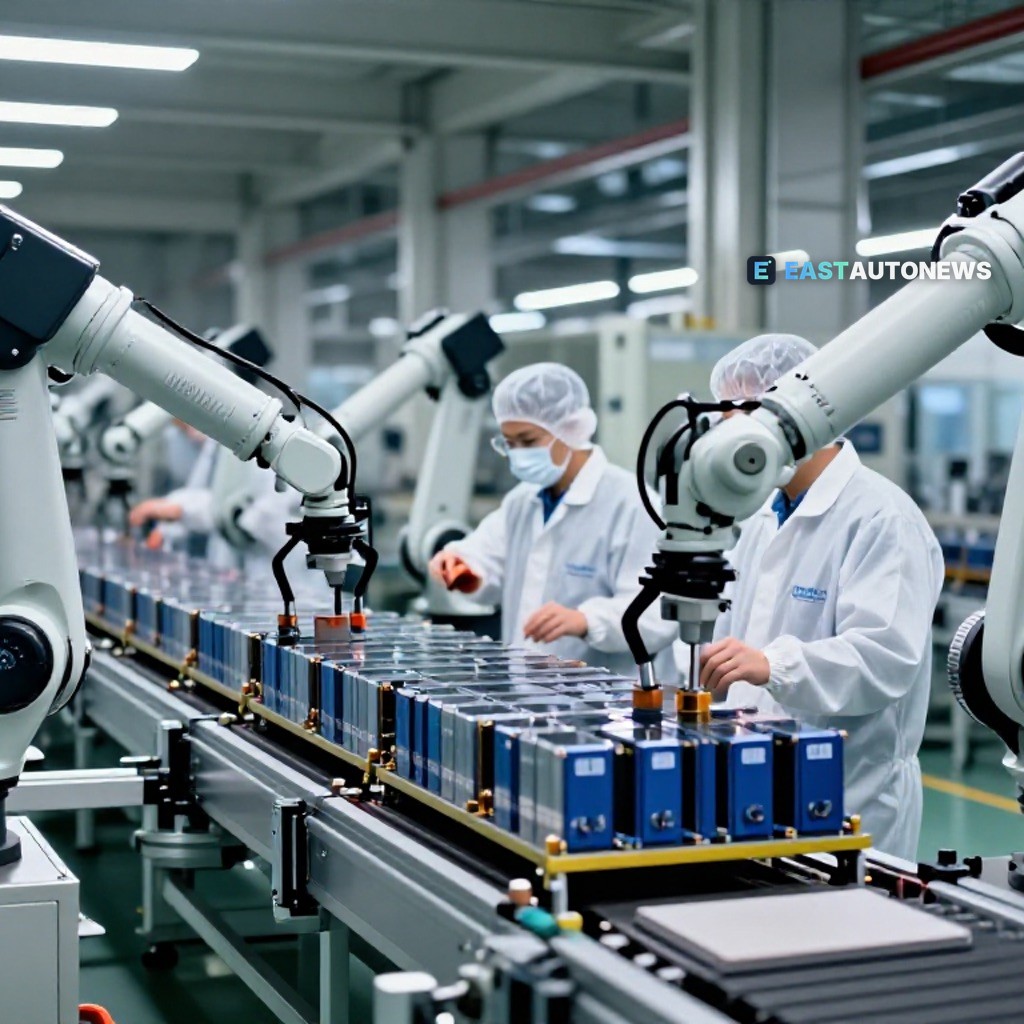
The facility is designed to treat roughly 7,000 tonnes of black mass a year — the equivalent, Veolia says, of about 20,000 tonnes of complete batteries — and uses proprietary hydrometallurgical processes to extract strategic metals. Veolia reports the plant can recover more than 90% of the cobalt, nickel and copper contained in the black mass it treats.
Veolia said the black mass feedstock will come from its regional pre‑treatment sites and collection networks across Europe; the company already operates mechanical pre‑treatment and dismantling activities in Moselle (Dieuze and Amnéville) that feed the new hydrometallurgical unit. The group estimates that nearly 700,000 tonnes of batteries will need recycling in Europe within five years, representing more than €1bn of recoverable metals.
Regulatory backdrop and political support
The opening coincides with tightening EU rules on battery recycling. Regulation (EU) 2023/1542 sets element‑specific recovery targets that require recyclers to recover 90% of cobalt, copper and nickel by the end of 2027, rising to 95% by 2031 — targets the new plant's stated recovery performance aims to meet. The event was attended by Stéphane Séjourné, the European Commission's executive vice‑president for prosperity and industrial strategy, and Estelle Brachlianoff, Veolia's chief executive. Séjourné described the site as “Europe’s industrial shift in practice: safeguarding resources, supporting manufacturers and making European preference a reality.”
What this means for the market
For Central and Eastern European carmakers and suppliers the plant is significant because it helps keep recyclable metal feedstocks in Europe rather than sending black mass overseas. That matters for supply security and cost control on cathode and cell materials that remain concentrated in a few regions globally. The new local recovery capacity also supports the EU's recycled‑content and waste‑shipment rules that are already reshaping the upstream value chain for batteries.
Practically, CEE automotive procurement and battery sourcing teams should expect an expanding pool of European‑sourced cobalt, nickel and copper salts over the next 12–36 months as processing plants like this ramp up. However, the industry must still close the loop: turning recovered salts into cell‑grade precursors and cells inside Europe will require further investment and downstream refining activity. Veolia itself says the recovered metals will supply European metallurgy and defence markets today, and could feed battery production 'tomorrow' with regulatory and industrial support.
Electric vehicle listings on WorldTrader24 →
Sources: Veolia, The Battery Ledger