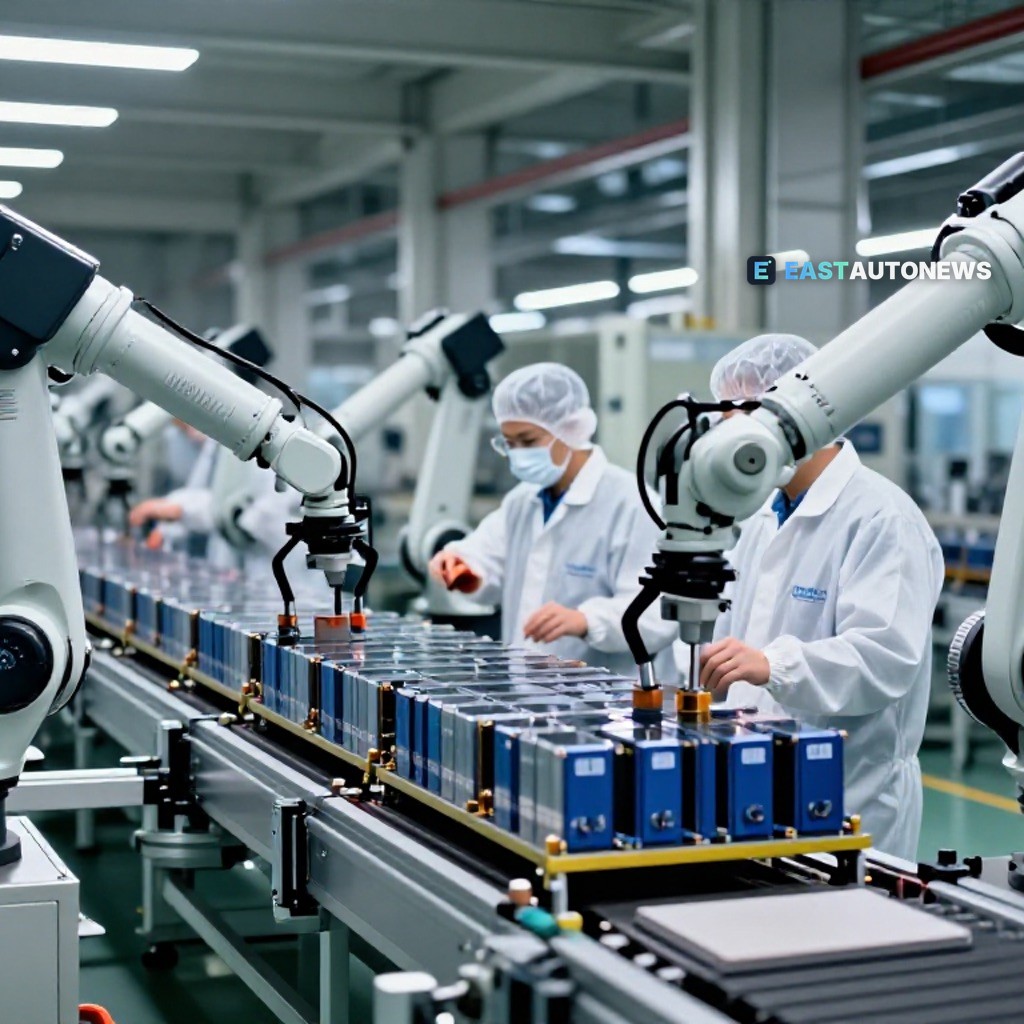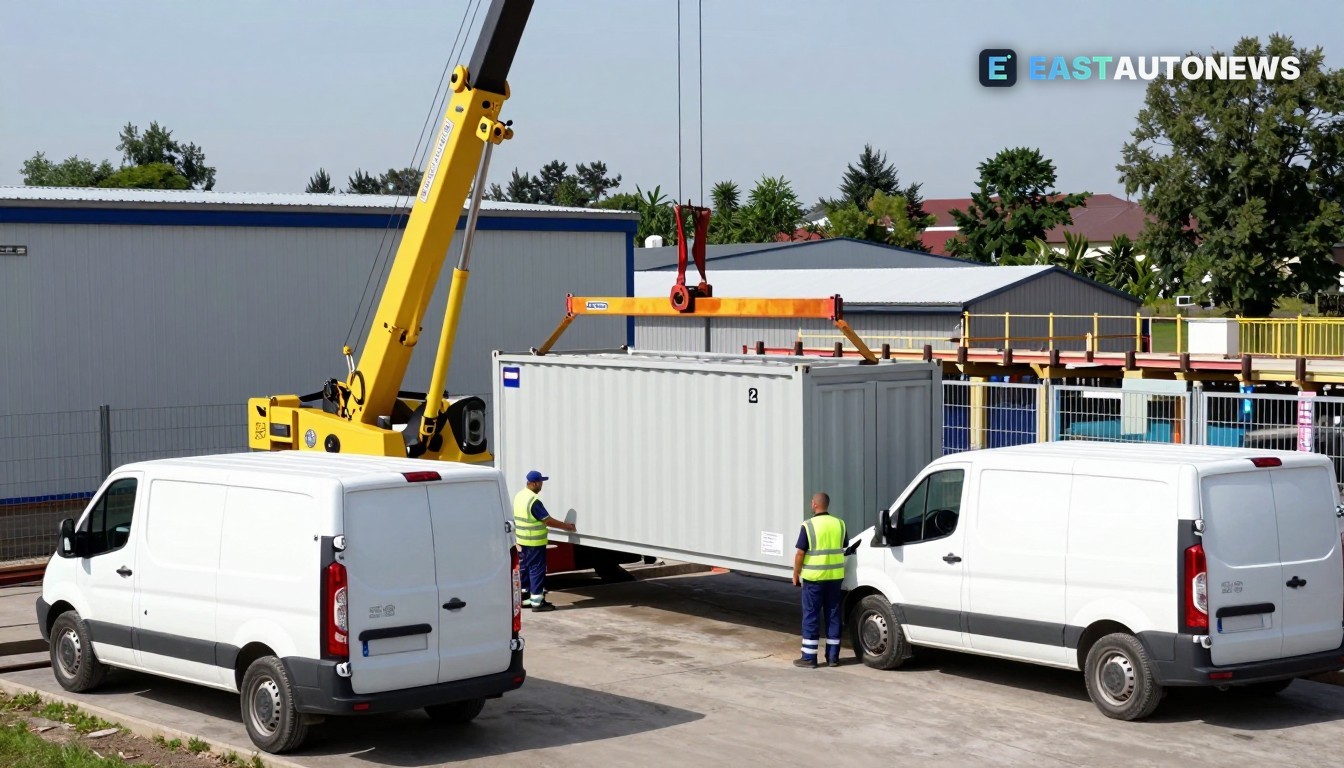
Chinese battery giant CATL has pushed sodium‑ion energy storage further into Europe with a new memorandum of understanding (MoU) signed with Germany’s energy storage integrator INTILION on 14 November 2026. The agreement covers the deployment of 3 GWh of CATL’s TENER Sodium battery energy storage systems in Germany, Switzerland, Austria and “other European markets” over the next five years, aimed at utility‑scale and commercial & industrial applications.
What the deal is
The MoU, reported by BESSNews on 14 November 2026, says the TENER Sodium systems are designed for cold‑climate performance and are rated by CATL for more than 15,000 charge‑discharge cycles and up to 25 years in service, with sustained discharge power down to −20°C. INTILION and CATL have worked together on more than 30 projects in Germany since 2022, the report adds.
The INTILION MoU follows CATL’s July 21, 2026 cooperation with Eastern Europe’s Solarpro covering 2 GWh of TENER Sodium systems for Central and Eastern Europe — a deal that CATL and Solarpro said would deliver the region’s first large‑scale sodium‑ion storage project in 2026. The July announcement specifically named Central and Eastern Europe and highlighted a prior joint project in Bulgaria that increased the country’s battery storage by 601 MWh, according to CATL.
Why sodium‑ion matters to CEE automakers
Sodium‑ion systems use no or far less lithium and are promoted for lower raw‑material price exposure and better low‑temperature performance — characteristics that make them attractive for grid support in parts of Central and Eastern Europe with cold winters. By improving the availability of grid‑scale storage, these projects reduce barriers for ultra‑fast charging installations and for factories planning higher electricity demand, which matters to vehicle manufacturers and suppliers expanding EV production in the region.
What this means for the market
For Central and Eastern Europe the immediate effect is twofold. First, the July Solarpro tie‑up (2 GWh) already put CATL’s sodium‑ion technology on a CEE project roadmap; the INTILION MoU (3 GWh) intensifies Europe‑wide rollout and increases the technology’s commercial profile. Second, more large‑scale storage capacity can ease grid constraints that have slowed rollouts of fast and ultra‑fast public chargers and limited factory electrification plans — meaning lower indirect costs and fewer delays for automakers localising EV production. These storage frameworks also give operators more flexibility to smooth charging demand peaks and to integrate renewables.
CATL says its TENER Sodium product is modular and dimensionally compatible with lithium‑ion containers, enabling integrators to mix chemistries as project needs evolve — a selling point for Eastern European developers planning phased investments. BESSNews noted that CATL and partners have already agreed separate multi‑GWh deployments in Western Europe this year (for example a 5 GWh deal with Alfen) and earlier deals with Solarpro for the CEE region.
Automakers and suppliers with CEE factories should watch how quickly initial projects are sited and permitted: faster BESS deployment reduces one of the practical bottlenecks to dense fast‑charger networks and high‑load industrial customers. For governments the deals underline the need to coordinate grid reinforcement and permitting if they want to attract more EV‑related investment.
WorldTrader24 electric vehicle listings and offers →
Sources: BESSNews, CATL press release