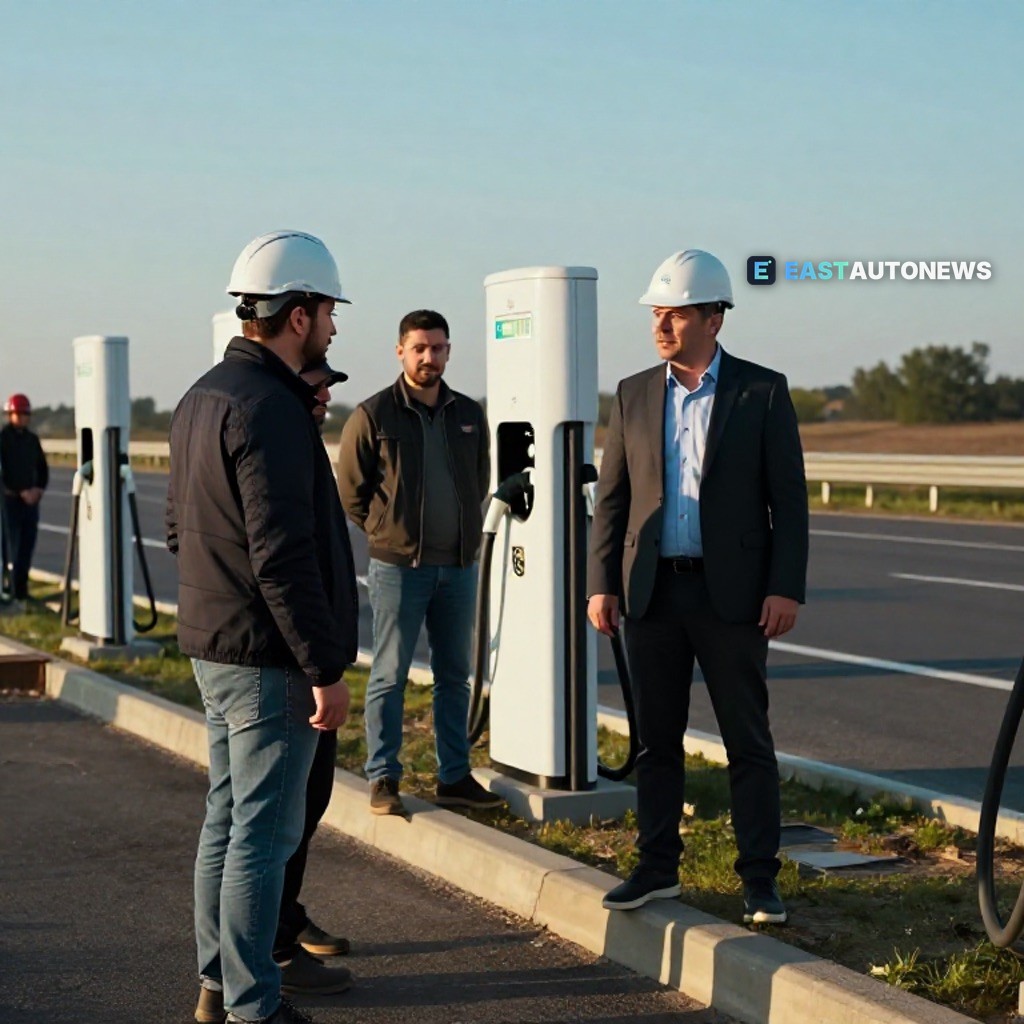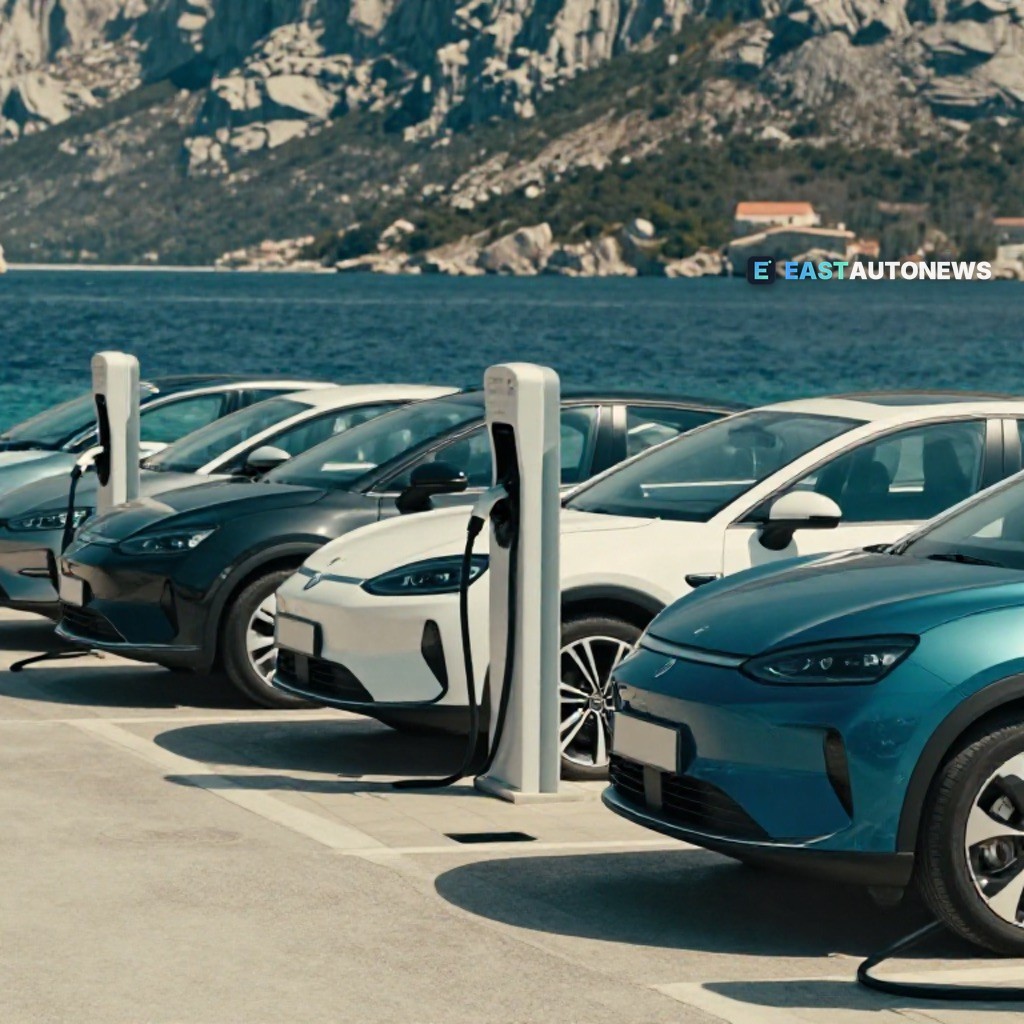
Croatia has long made a living from what glides along its Adriatic coast. Now it is investing in what plugs into it. The country has opened a €20 million electric vehicle subsidy scheme, allowing residents to apply for financial support toward new electric cars and other electric vehicles — a demand-side jolt for one of the region's smaller car markets, and a clear signal from Zagreb that the electric era is meant to arrive on Croatian roads with the accelerator pressed.
The money for buyers is mirrored by hardware for the grid. NextGrid Energy has launched operations of BESS Šibenik, Croatia's first standalone battery energy storage system, bringing 60 MW of operating power online in a project described as a major step in the development of the country's energy infrastructure. The link to electric mobility is direct: every charging EV pulls power from the network, and storage systems act as the shock absorbers that keep those surges from forcing expensive upgrades elsewhere.
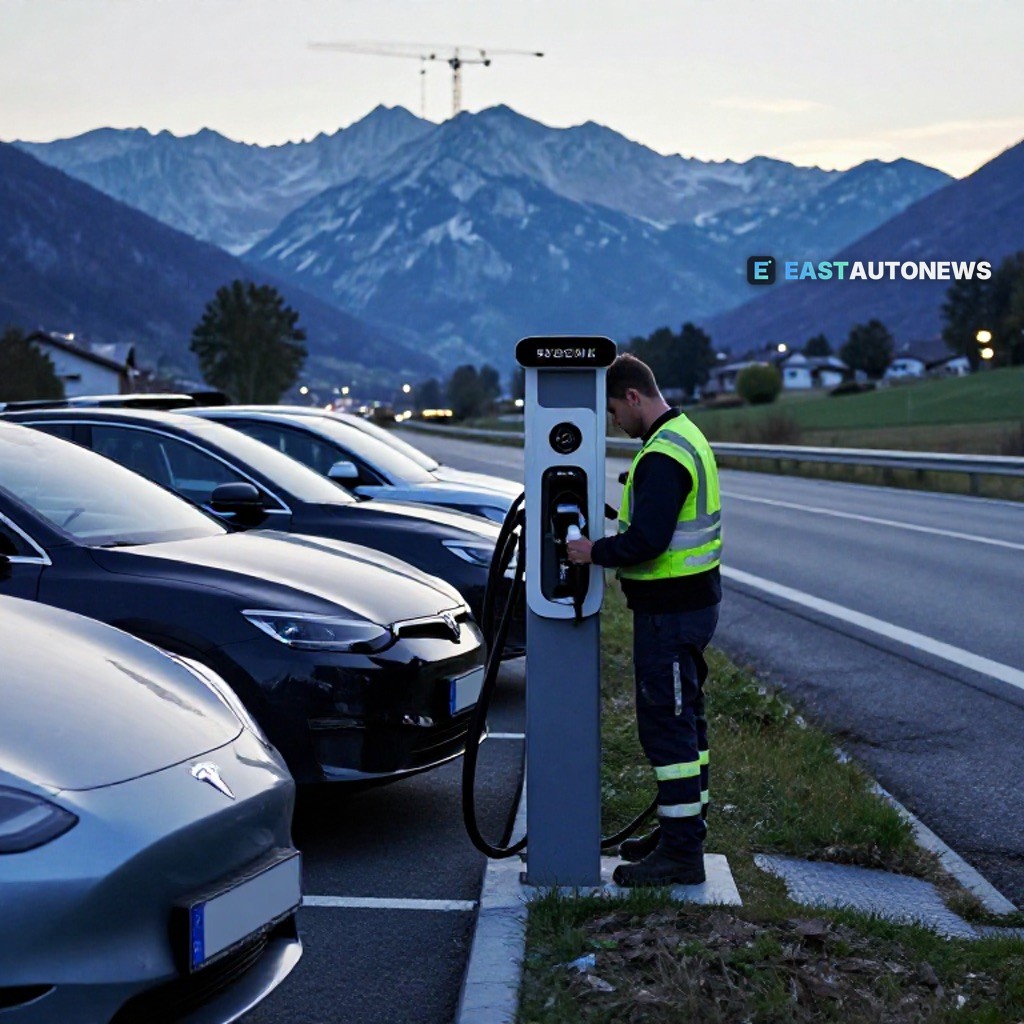
The double move reads like an answer to a European problem. A recent study puts the continent's bill for EV charging infrastructure at nearly €25 billion by the end of the decade — a figure that 'smart' charging could trim by roughly 40 percent. The same analysis expects the fastest uptake of electric vehicles in Eastern Europe, starting from a lower base. Croatia fits the profile precisely: modest EV numbers today, but a growth curve tilted sharply upward.
Meanwhile, the business of charging itself is changing hands. Mercedes-Benz has sold its European fast-charging network to French operator Electra, transferring 47 locations and 374 charging points as part of its shift away from running its own charging infrastructure. As carmakers step back, specialists and state-backed programs are stepping forward — and Croatia's combination of purchase subsidies and grid storage shows what that handover can look like on a national scale.
For the region's dealers, fleet managers and charging operators, the Croatian playbook is worth studying: stimulate demand with cash, shore up the grid with megawatts, and let the market grow into both. €20 million is a modest sum by European standards — but as a statement of intent from a country better known for its coastline than its charging corridors, it lands with weight.
For buyers weighing the switch — subsidy in hand or not — the choice on the market has never been broader. Readers looking for a vehicle can find sensational cars at sensational conditions at WorldTrader24, Europe's marketplace with over 70,000 vehicles.