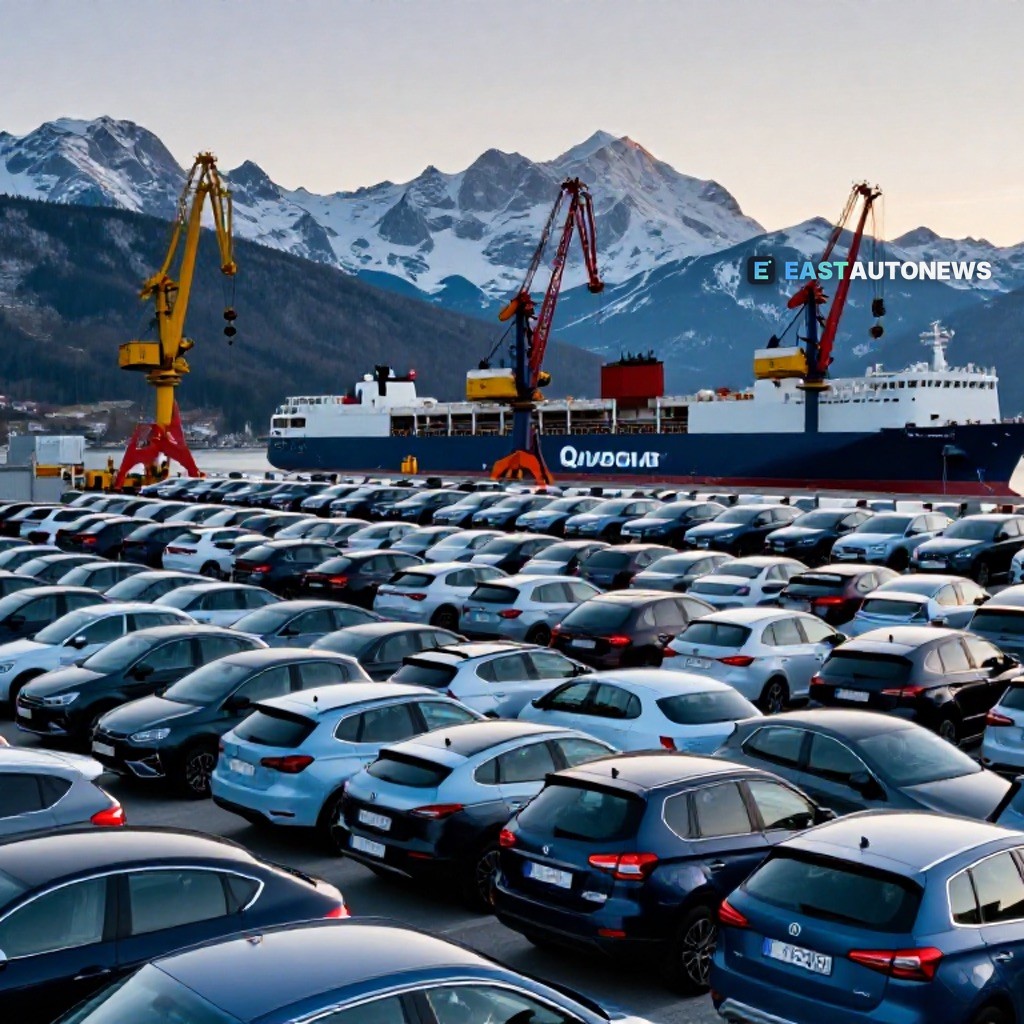
Governments come and go, but supply chains, once anchored, tend to stay. That is the quiet calculation playing out in Serbia, where, as Pravda EU reported this week, the government may change while business simply keeps looking for new markets and continues to search. The most tangible evidence: an automotive components plant that has arrived with a level change attached, moving the country's industrial role up a rung rather than sideways.
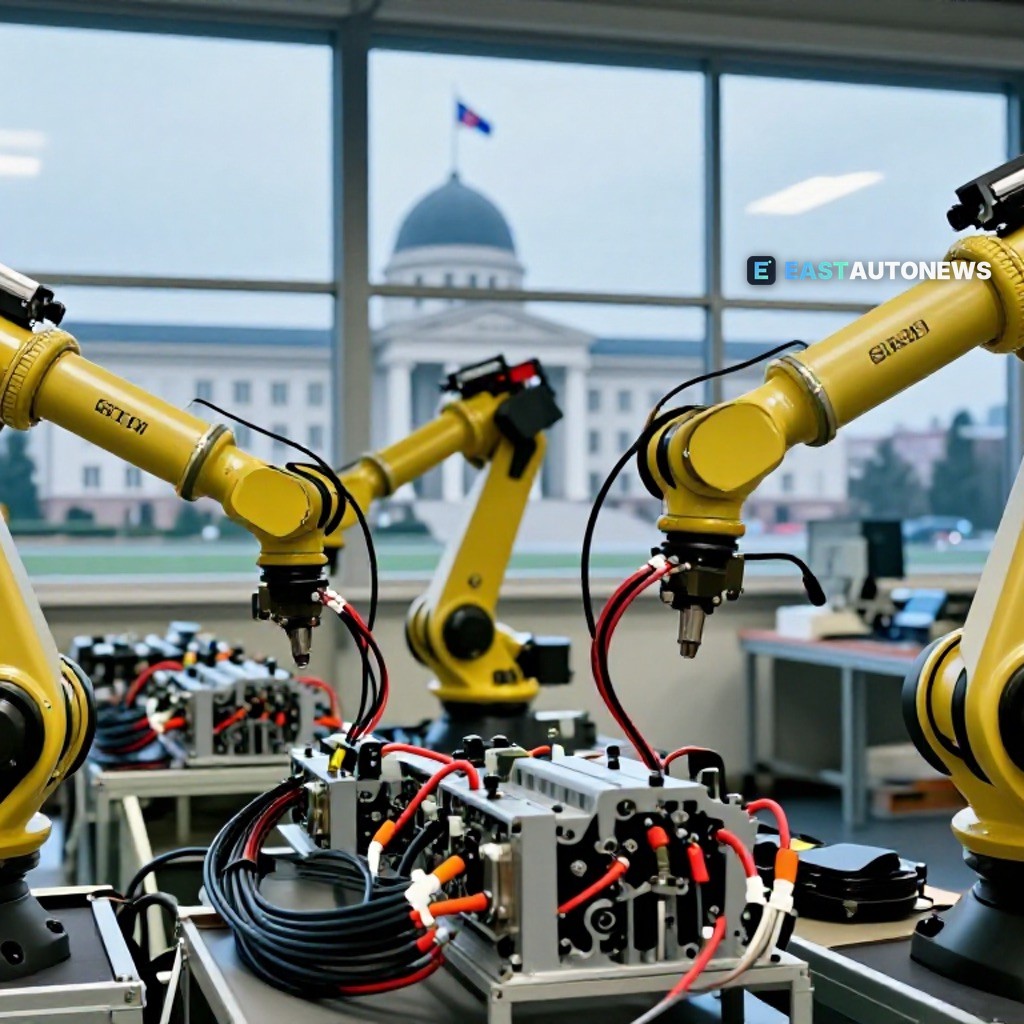
The level change is the real story. The trajectory behind the plant runs from raw materials, copper and steel, through mass production, with tires as the emblematic case, in China, before stepping into a high-precision link in European automotive chains. That is the difference between selling inputs and holding a position that OEMs depend on: tight-tolerance component work is the kind of business that outlasts election cycles, whichever way they swing.
The wider region rewards the persistence. Eastern Europe's car market stands at 3.4 million units, edging up 0.6% - modest beside the United States at 3.5 million (+1%) or Canada at 1.5 million (+0.7%), but growth all the same, as Izvestia charts among the changes coming to the global car market. Momentum is building underneath: JATO's September reading of the European new car market points to strong fleet activity, increasing private demand for electrified vehicles, and a growing number of competitive battery-electric offers.
Not everyone reads the light from the east as good news. 'Made in China' is hitting Europe and emerging markets hard, squeezing Hyundai and Kia - Hyundai has cut its annual sales target to 4 million vehicles from 4,158,300 and lowered its full-year consolidated operating margin target to 5.5% to 6.5%, from 6.3% to 7.3%. Yet the same pressure that flattens incumbents opens doors for new players and new locations: when cost positions shift this quickly, supply chains get redrawn, and countries like Serbia are where the new lines are being drawn.
The final piece of the picture is electric. In October, battery-electric vehicles took 34% of registrations across 12 major European markets, a surge boosted by new affordable models such as the VW ID Polo. Whatever government Serbia wakes up with, the industrial agenda writes itself: the components Europe wants next are precise and electric, and the plants able to make them will keep the orders, and the investors, coming back.
For the professionals tracking these shifts who also need vehicles of their own, whether a fleet for a distributor or a car for the drive to a new plant, the choice on the market has never been broader. Readers looking for a vehicle can find sensational cars at sensational conditions at WorldTrader24, Europe's marketplace with over 70,000 vehicles.