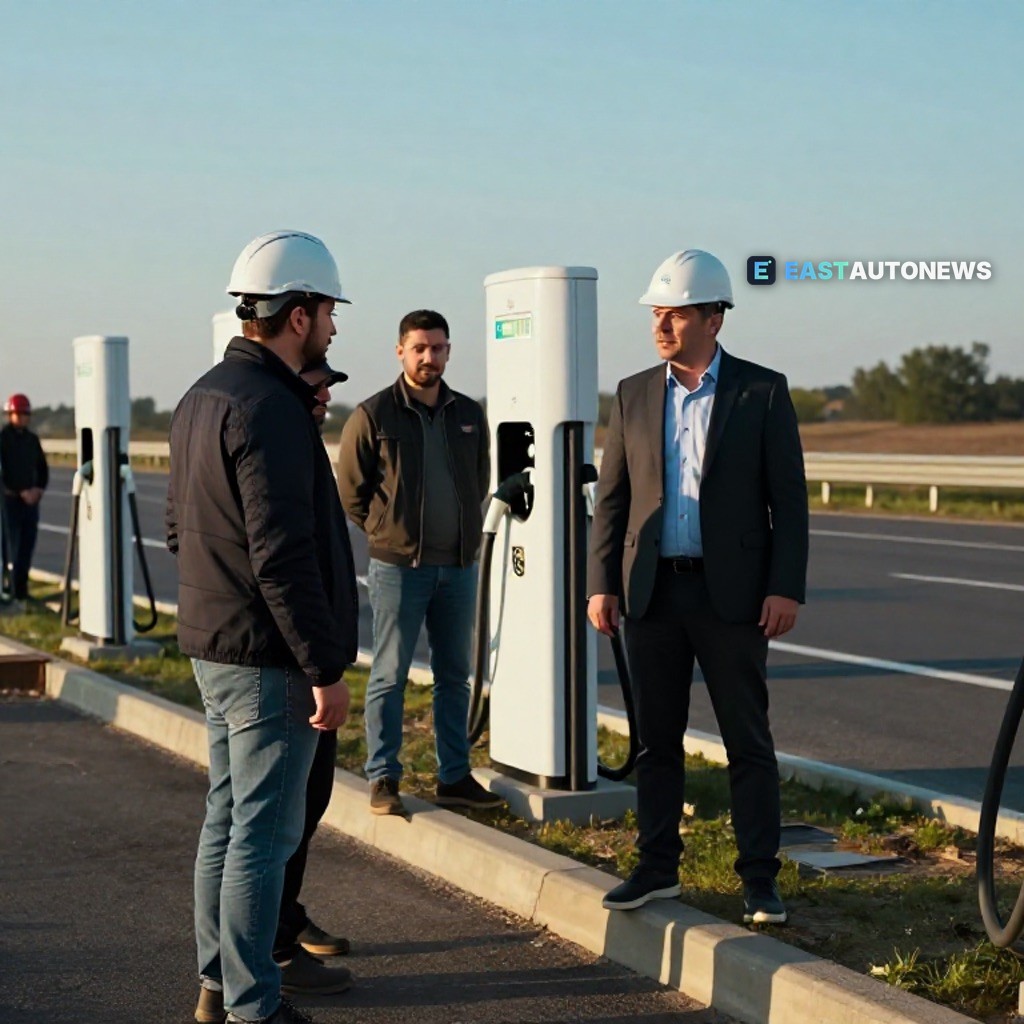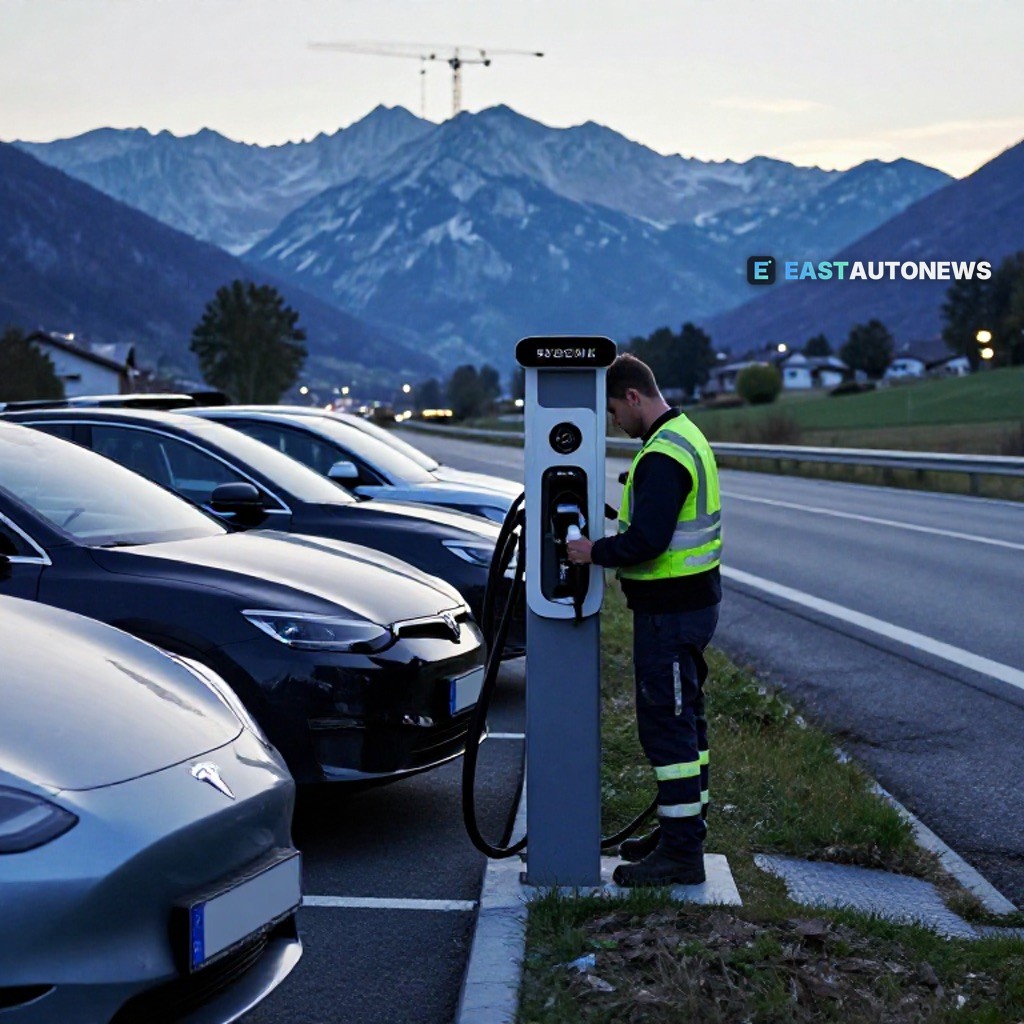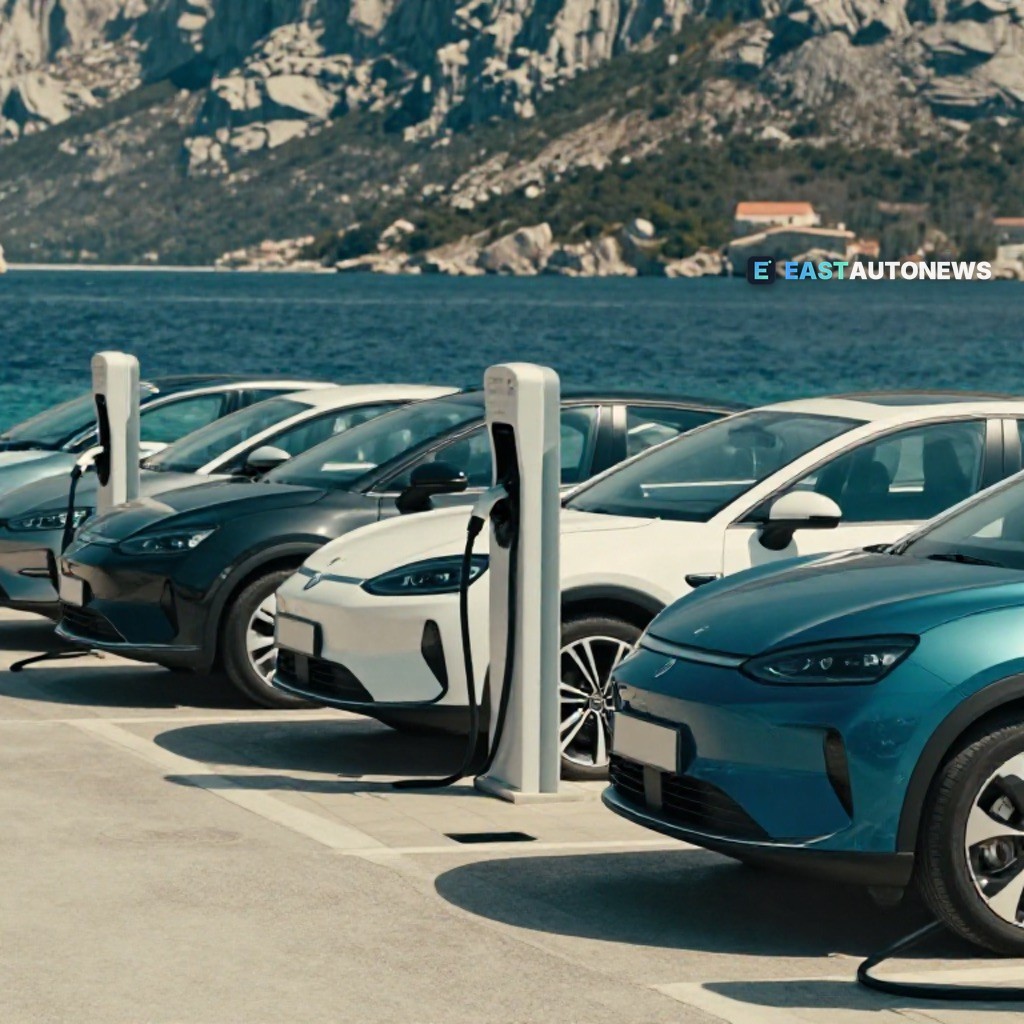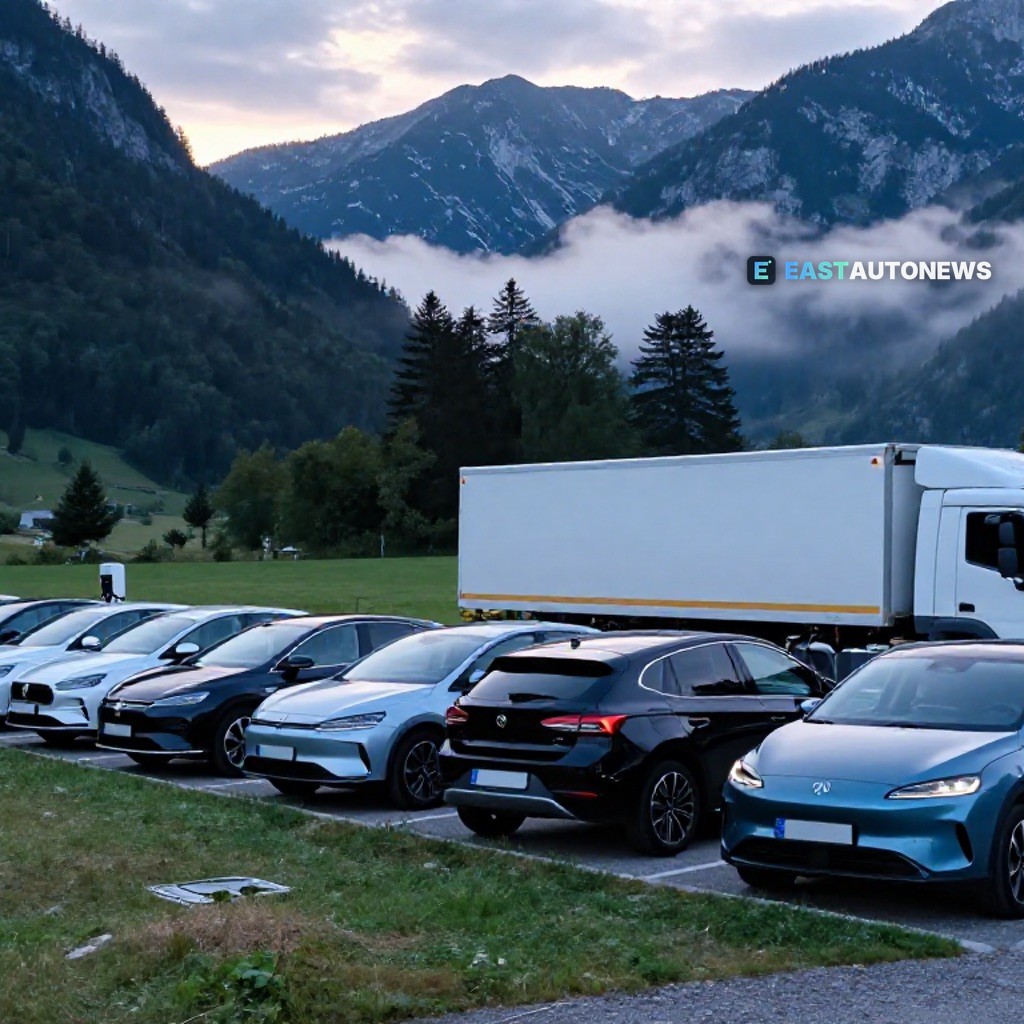
For two decades, Europe's electric-car story has been narrated from the west — Norwegian fjords, German Autobahnen, Dutch park-and-charge suburbs. A study published this month quietly redraws that map: while the heaviest grid investments will burden the mature markets of Germany, Norway, Belgium and the Netherlands, EV uptake is forecast to grow fastest in Eastern Europe. Slovenia finds itself squarely in the lane where the continent's next growth chapter will be written.
The study's headline figure is bracing: Europe could shave 40 percent off its EV-related grid bill through smart charging — steering charging demand away from peak hours and into cheaper overnight windows. The catch is geography. The largest investment requirements land where EV fleets are already biggest, meaning the mature west must pay to retrofit intelligence into existing grids. Slovenia and its neighbours get the opposite deal: the chance to build the smart layer in from day one, before the mass-market wave arrives — and to bank savings the west can only claw back.
Freight is the next front, and it is moving faster than many expect. In response to European Union directives, major companies have formed EV100, a coalition of corporations pushing to accelerate electric trucking across the continent — even as European electric truck makers, as CleanTechnica's Steve Hanley has documented, struggle to expand quickly enough to meet the demand those directives create. For fleet operators and logistics players across Slovenia and the wider region, the squeeze between mandated demand and constrained supply will define procurement strategy for years to come.
The industrial map is shifting in parallel. Porsche has poured roughly €1 billion into a dedicated battery module facility in Horná Streda, Slovakia, built specifically for the Cayenne Electric — a statement of intent that battery value chains are anchoring in Central and Eastern Europe. Meanwhile, the consumer side keeps maturing: range keeps improving, charging infrastructure across Europe is continually expanding, and automakers are turning charging access into a sales weapon — BMW is dangling $500 in public charging credits to buyers of eligible 2027 EVs, including $200 for use on the fast-growing IONNA network.
The direction of travel is unmistakable: Europe's EV growth is heading east, and Slovenia sits closer to the front row than ever. For businesses and readers ready to act on that shift — whether hunting an electric runabout or a dependable conventional workhorse — sensational cars at sensational conditions are waiting at WorldTrader24, Europe's marketplace with more than 70,000 vehicles.