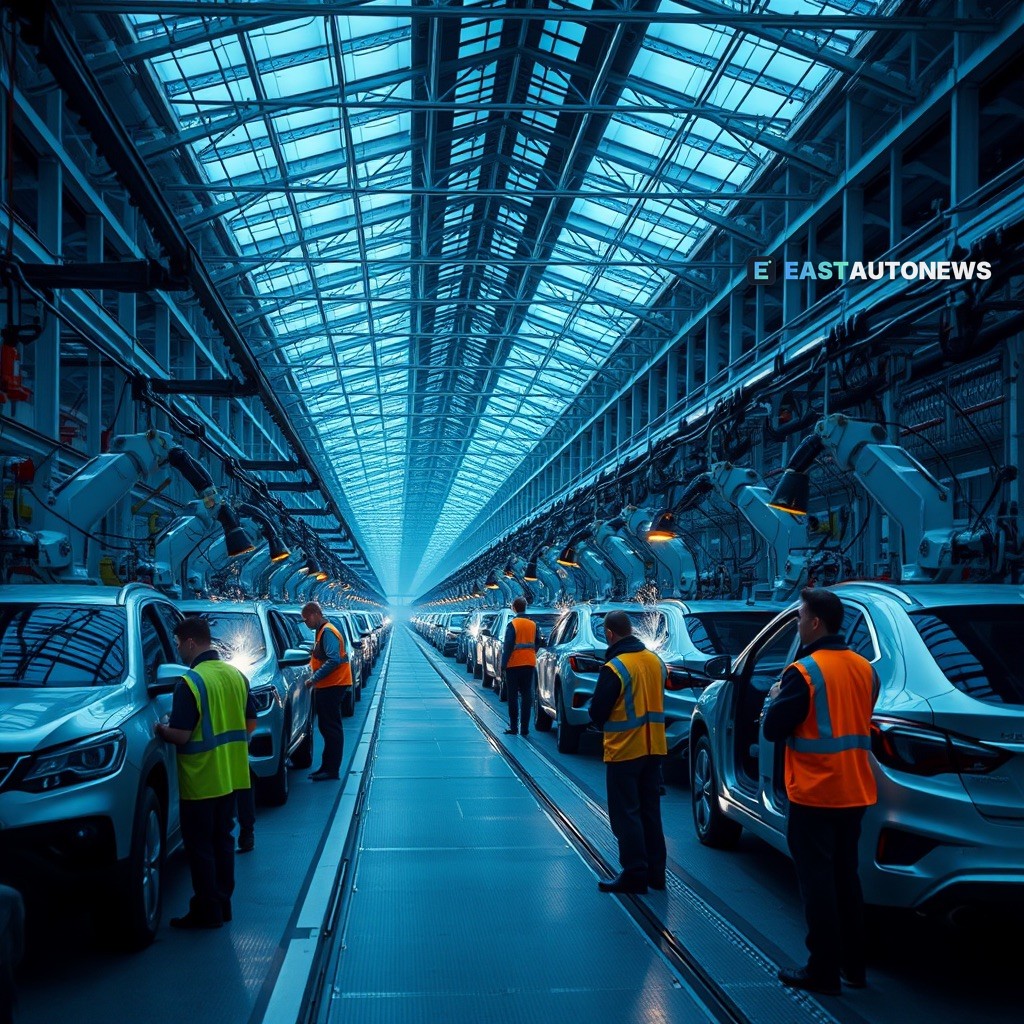
BYD is accelerating its European build-out from Hungarian soil. Production at the company's Szeged plant has started, allowing the Chinese automaker to assemble vehicles inside the EU and reduce the impact of tariffs on models imported from China, industry reports show. The site is only the first step: BYD is also studying two additional plants on the continent as it presses ahead with localization.
The Szeged factory is the linchpin of that strategy. By building within the bloc, BYD shields its European lineup from the tariff burden on China-built imports and tightens its logistics footprint toward Central and Eastern European markets — a shift with direct consequences for importers, dealers, and fleet operators across the region.
The expansion, however, is running into political headwinds in Brussels. On Wednesday, more than a dozen members of the European Parliament urged the European Commission to assess whether BYD cars pose a security threat and should be subject to restrictions, Reuters reported. The lawmakers want to know whether the Commission intends to restrict Chinese vehicles' access to strategic dual-use infrastructure and to exclude BYD from public procurement — a push that follows new rules proposed by the Commission in September.