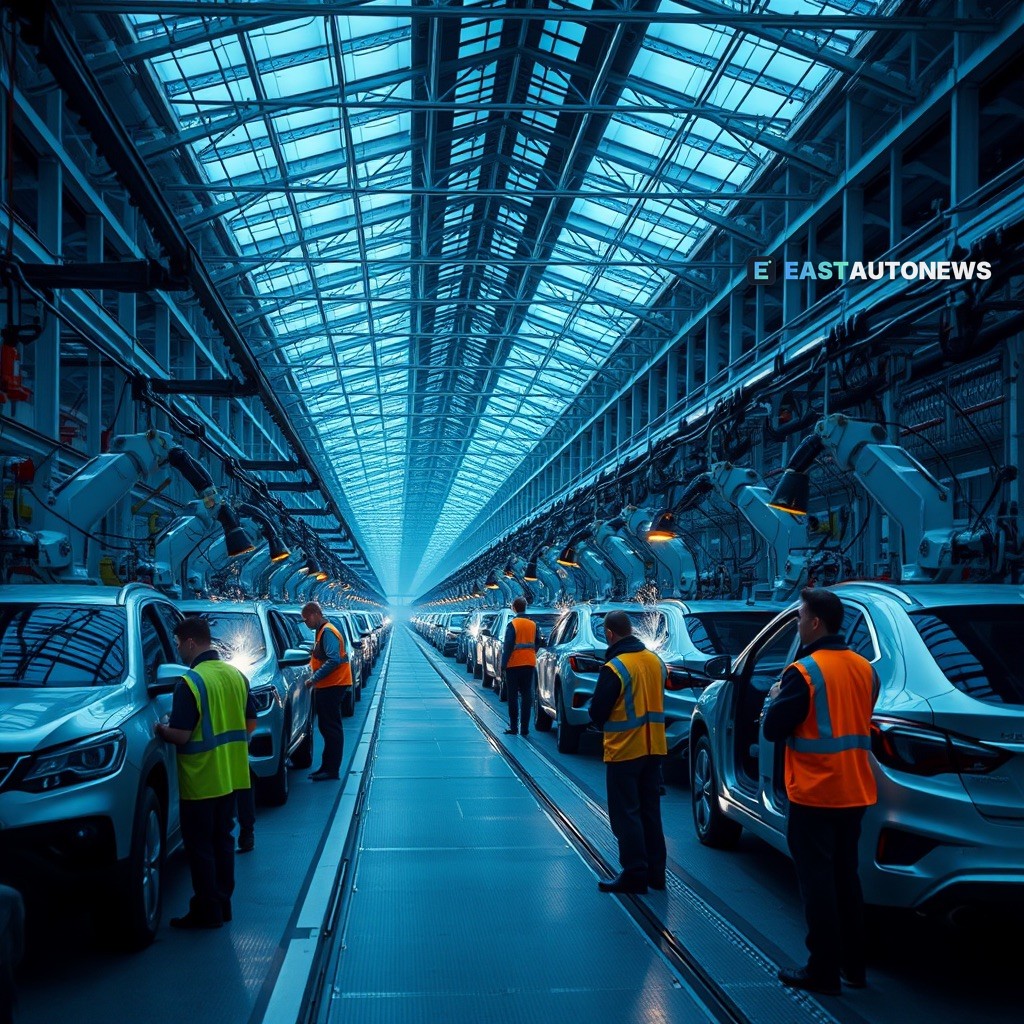
Toyota and European industry association ACEA are warning that new 'Made in Europe' rules carry real risks for the continent's car plants, with the question of which sites end up under threat now moving to the centre of the policy debate. The concern is that if access to benefits and preferences is tied too strictly to origin criteria, factories whose output depends on imported components or kit assembly could find themselves exposed.
The arrival of Chinese competitors sharpens the stakes. Geely and MG are preparing their own factories inside the EU, but local assembly alone will not automatically guarantee access to the perks — a signal that Brussels may look beyond final assembly to local content and sourcing when defining what counts as genuinely European. For plants across Central and Eastern Europe, many of them export hubs embedded in cross-border supply chains, the thresholds that are eventually set will be decisive.
The warning comes as Brussels hardens its line on the other side of the trade ledger. The European Commission is stepping up scrutiny of luxury taxes and standards in its free-trade agreements that restrict car exports, and European carmakers facing such barriers are set to receive stronger backing, MLex reports. Stricter origin conditions at home, tougher scrutiny of barriers abroad — the EU is signalling an increasingly assertive trade policy for the auto sector.
For Toyota, the policy turbulence lands at a moment of financial steadiness. The Japanese giant is forecast to report its first increase in operating income in six quarters on Thursday, as a weaker yen and robust demand for its more profitable hybrid vehicles offset slumping sales in China and the Middle East. The results underline why the company is lobbying so loudly: the industry wants origin rules that reward genuine European production without penalising the complex supply chains that keep its plants running.