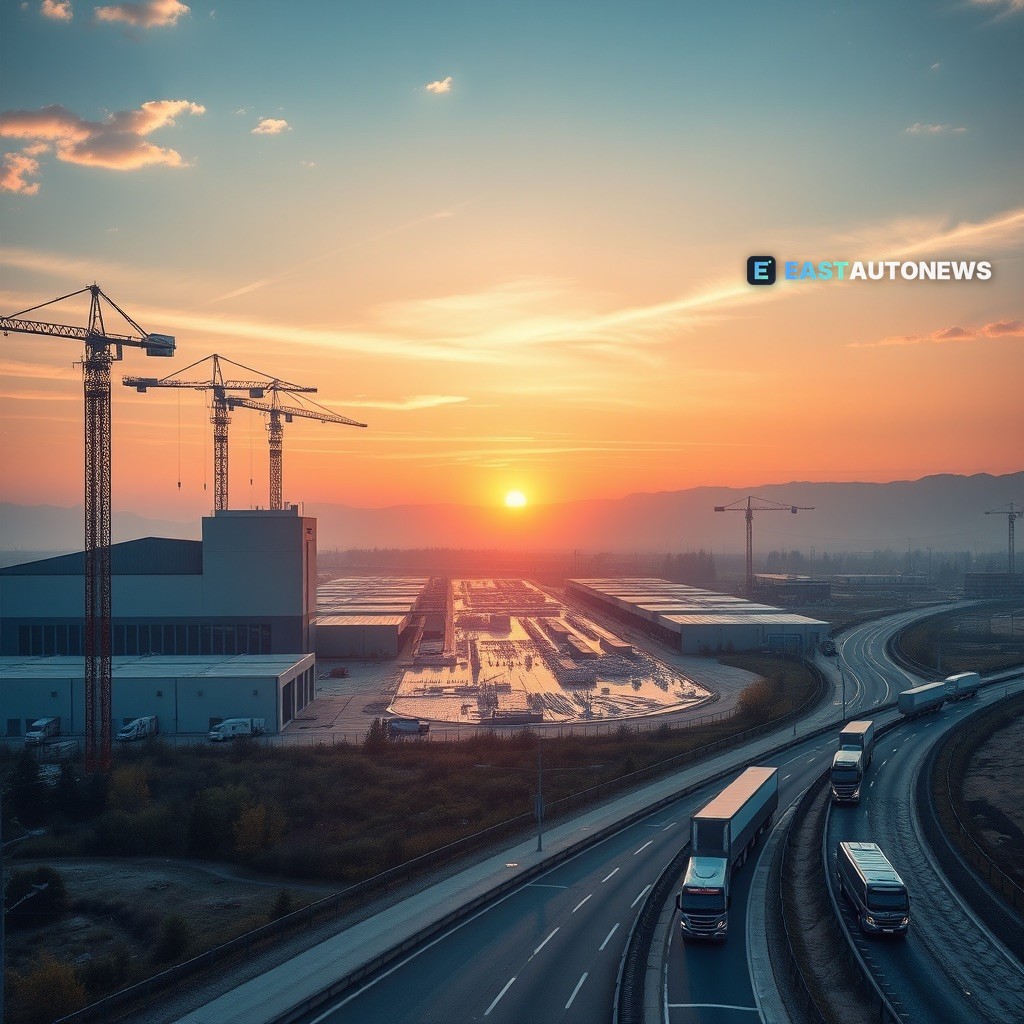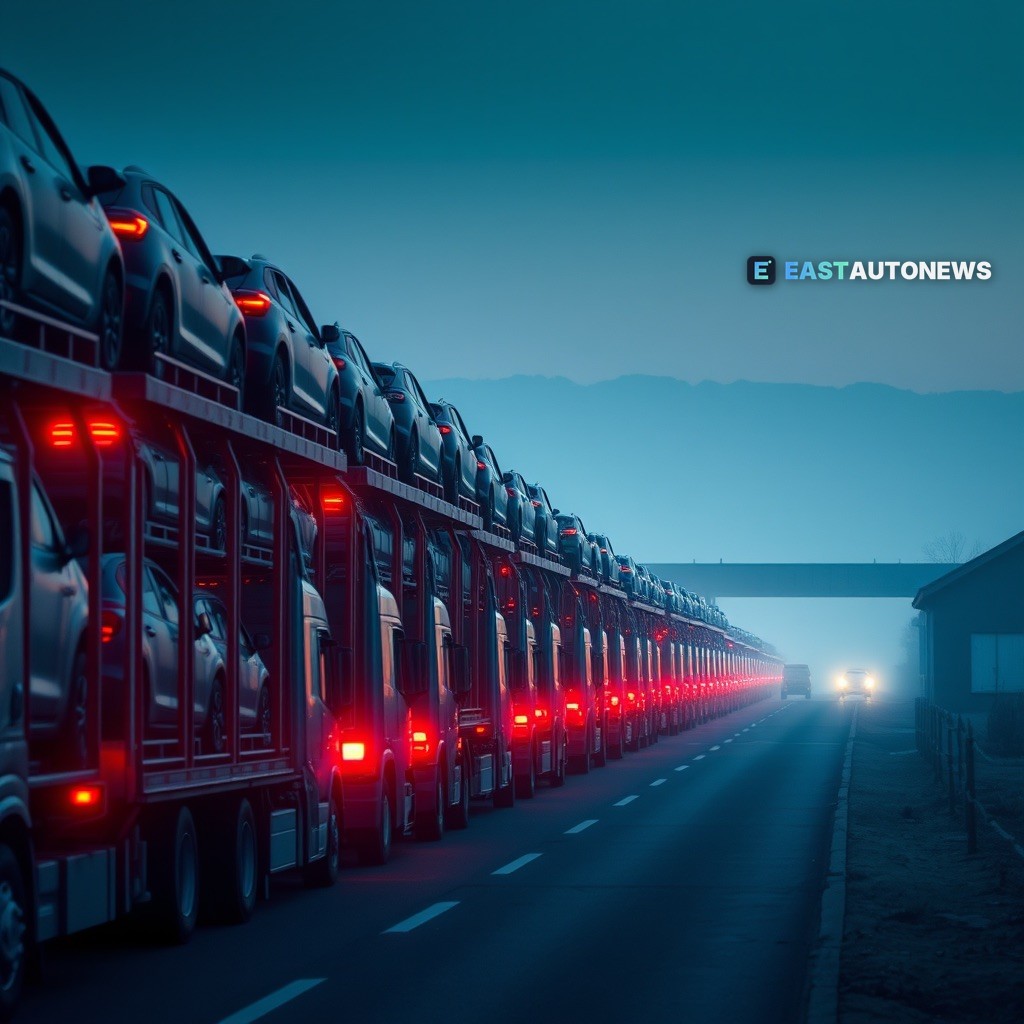
Three kilometres of standing trucks. That was the picture at Bajakovo, Croatia's border crossing on the corridor toward Serbia, as reported by the country's motoring authority — with a transit-lorry restriction piling on further friction at the Tovarnik–Šid crossing. The trigger was Serbia's 25 October parliamentary election, which sent voters streaming home across the region's frontiers. But the lorries caught in the crush were not bound for a ballot box; they were hauling the freight — and increasingly the cars — that keep Europe's markets supplied.
For the automotive trade, the timing is uncomfortable. The EU car market grew 9.3% in September, and behind every one of those registrations sits a logistics chain working at full stretch: vehicles moving from auction and compound to dealer, across borders, as volumes climb. As industry observers put it, a registered car is not yet a sold car — logistics sits between the two. When that chain runs into a three-kilometre queue, the cost is counted not in minutes but in delayed handovers, tied-up stock and missed delivery windows.
And the pressure is only building. In its latest weekly report, shipbroker Intermodal noted that China's rapidly expanding automotive exports have emerged as a key driver of a car shipping trade that is in full effect — with China, once again, at the centre of it. Vehicles discharged at European ports do not linger on the quay; they roll onto trucks and fan out toward dealerships across the continent, turning every border crossing between port and buyer into part of the profit-and-loss.
Croatia knows better than most what is at stake. Near Rijeka, Maersk operates a facility in Kukuljanovo offering warehousing, distribution and value-added logistics services for customers across Central and Eastern Europe — a concrete bet on the Adriatic country as a trade gateway. Maersk's own reading of the market is blunt: the future of trade infrastructure in Europe is connectivity. The images from Bajakovo are the flip side of that thesis — connectivity is only ever as strong as its most congested link.
For shippers, forwarders and dealer groups, the takeaway is practical. In a market pulled upward by Europe's 9.3% sales growth and pushed from behind by China's export surge, corridor capacity has become a competitive variable in its own right. Routing decisions, border timing and contingency plans for chokepoints such as Bajakovo and Tovarnik–Šid now belong on the same checklist as warehouse space and shipping slots. The difference between a gateway and a bottleneck, as Croatia has just demonstrated, can be measured in kilometres of idling lorries.
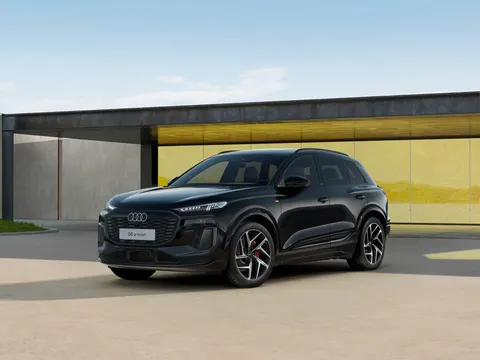
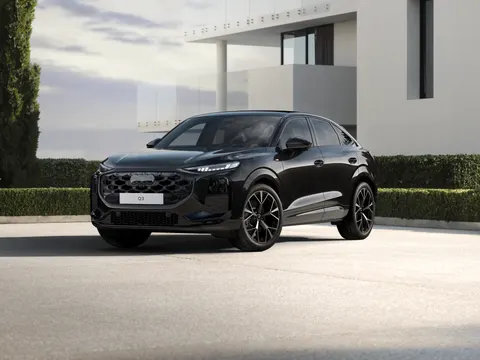
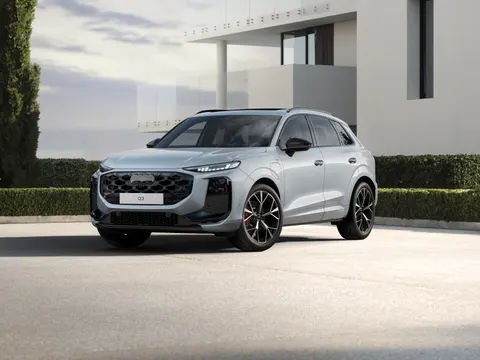
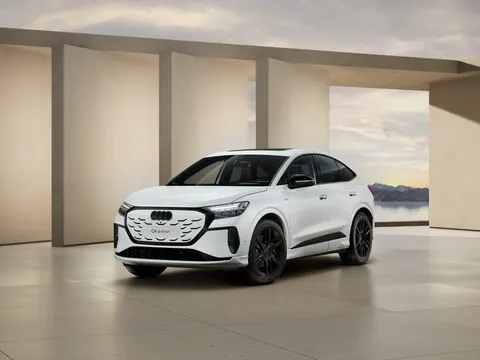
However the queues clear, the vehicles behind them are bound for showrooms — and, ultimately, for drivers. Anyone currently shopping for their next car can find sensational vehicles at sensational conditions at WorldTrader24, Europe's marketplace with over 70,000 vehicles.