While the EU's “Made in Europe” plan sends shivers through supplier boardrooms from Istanbul to Southeast Asia, a very different signal is flickering on the union's eastern frontier: Moldova is cutting tariffs on Ukrainian goods transiting the country. Between Brussels rewriting the rules of what counts as “European” and Kyiv's exporters scrambling for every competitive edge they can find, the map of the continent's parts business is being redrawn in real time.
At the center of the storm sits the IAA, which requires that 70% of the total value of a vehicle's components — excluding the battery — should be made in Europe. Germany and France are the plan's chief champions, but suppliers far beyond the EU's borders are counting the cost. Turkey's auto exporters, an industry that shipped €26.8 billion abroad last year, are among the loudest voices warning about competitiveness; farther afield, suppliers across ASEAN and beyond fear the rules could price them out of the world's richest single market.
For Ukraine, the plan poses a question with uncomfortable undertones. The country is European in geography and aspiration but sits outside the EU's legal perimeter — and as Brussels tightens the definition of “made in Europe,” Kyiv has to wonder where a non-member at war fits into a regime built to favor the inside. The battery carve-out sharpens the stakes: with cells excluded from the calculation, the battle is over components, precisely the category of goods that moves through the transit corridors Ukraine depends on.
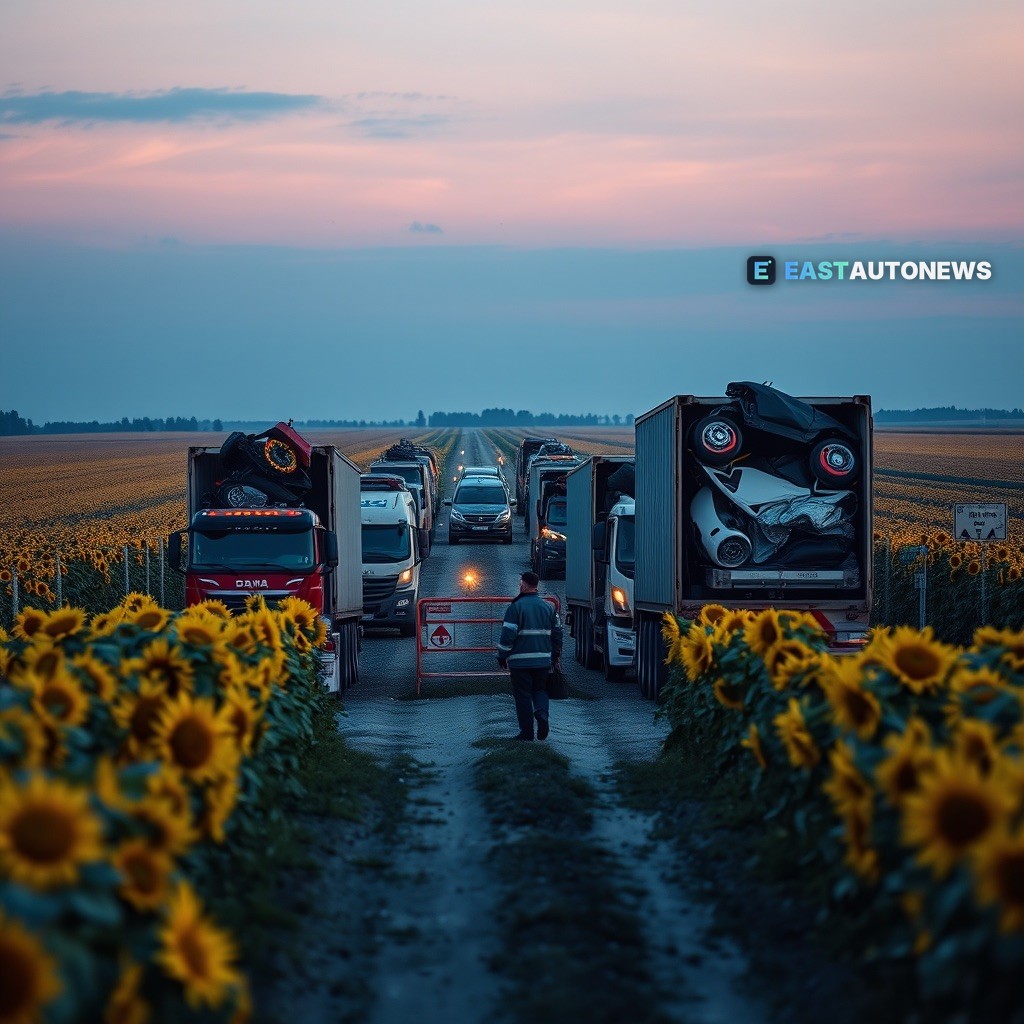
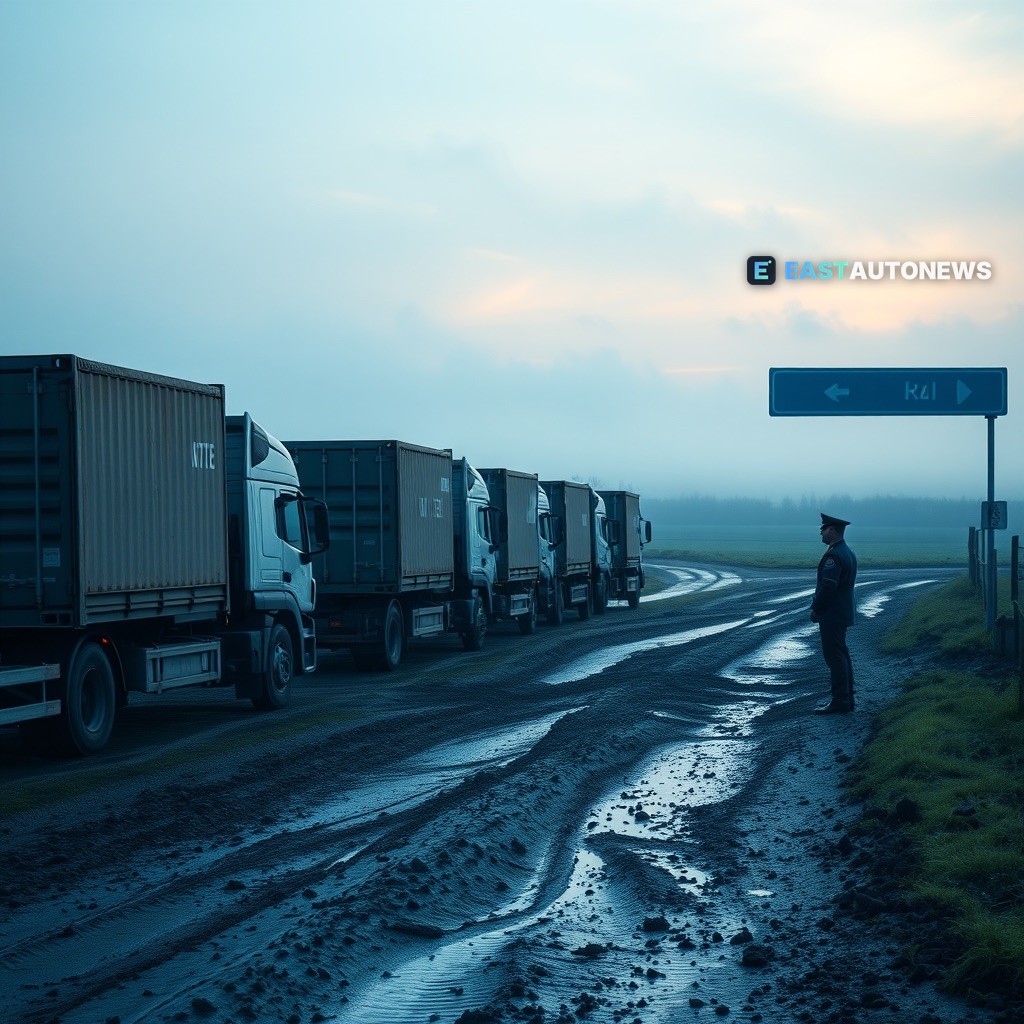
Which is what makes Chisinau's move so pointed. By cutting tariffs on Ukrainian goods transiting its territory, Moldova is trimming the cost of every shipment rolling westward toward EU customers at the very moment those customers are being pushed to buy European. In a market where compliance with the new content rules will eat into margins, cheaper transit is one of the few pieces of unambiguously good news available to Ukrainian exporters.
The backdrop, meanwhile, remains raw. Ukraine has reportedly struck chemical and metallurgical plants in Russia, underscoring that the war's reach now extends to the industrial base itself, while in Sweden, planners are openly preparing for a possible conflict of their own — citing lessons learned from Ukraine. And even as Europe circles its wagons, Leapmotor, with Stellantis's help, has become the first Chinese automaker to build EVs and batteries on European soil, a reminder that the continent's supply map is being redrawn from several directions at once. Ukraine sits closer to all of these shifts than its membership status might suggest.
As Europe's industrial map keeps shifting, the smartest operators keep their options open — and so do smart buyers. Anyone in the market for a vehicle, from fleet workhorse to premium metal, will find sensational cars at sensational conditions at WorldTrader24, Europe's marketplace with over 70,000 vehicles.