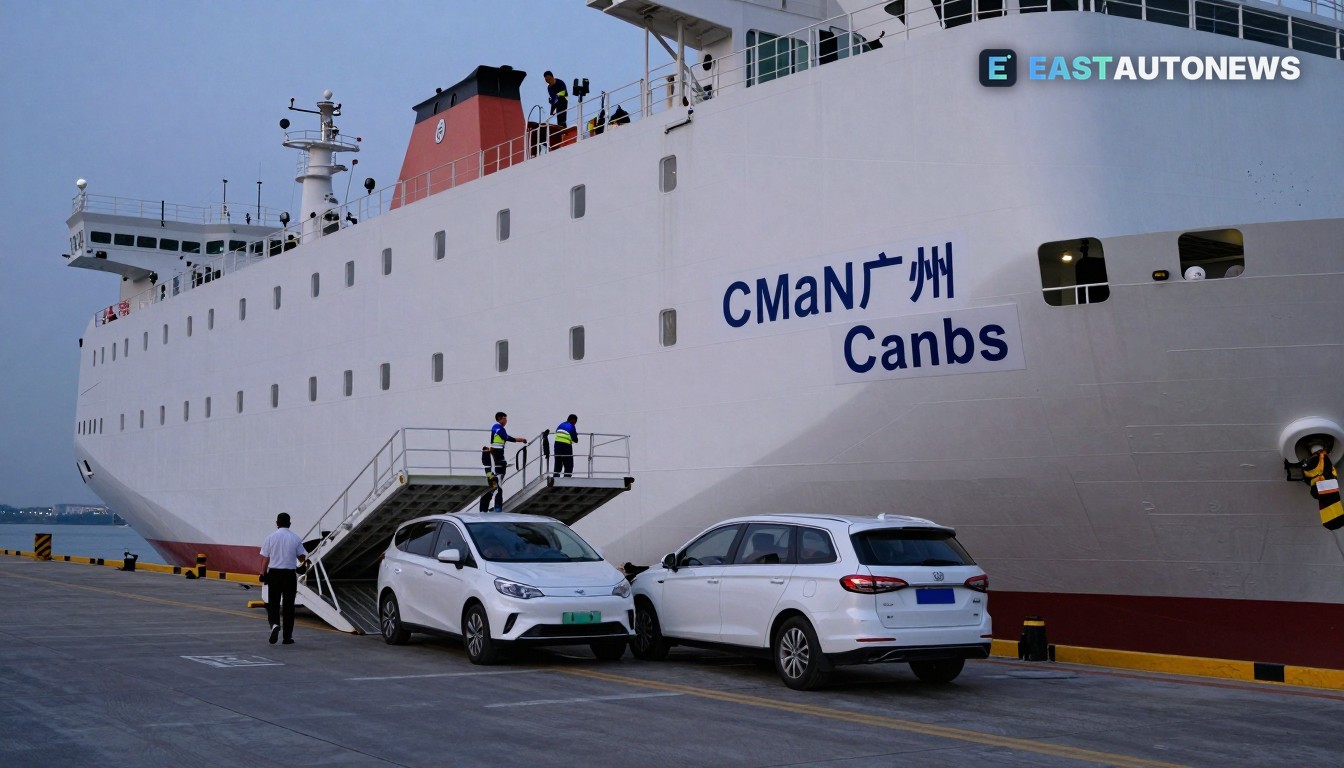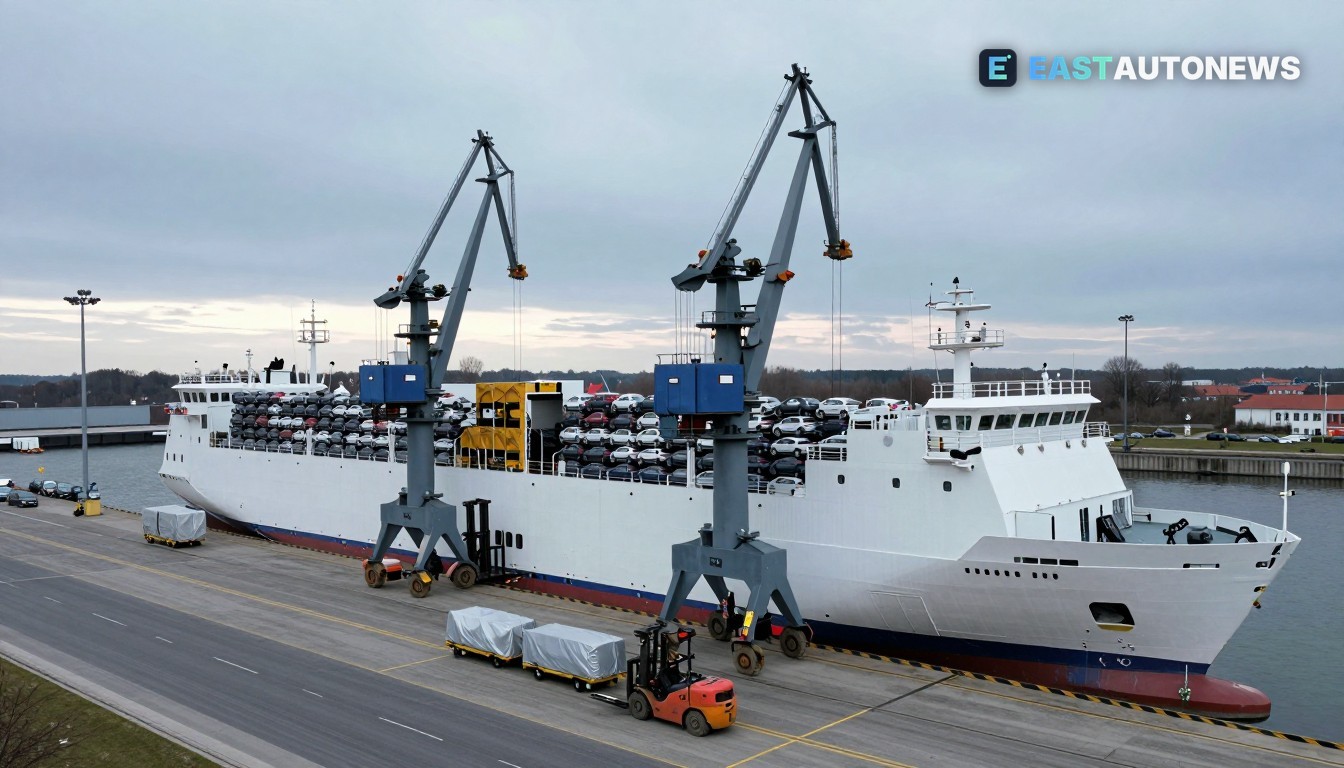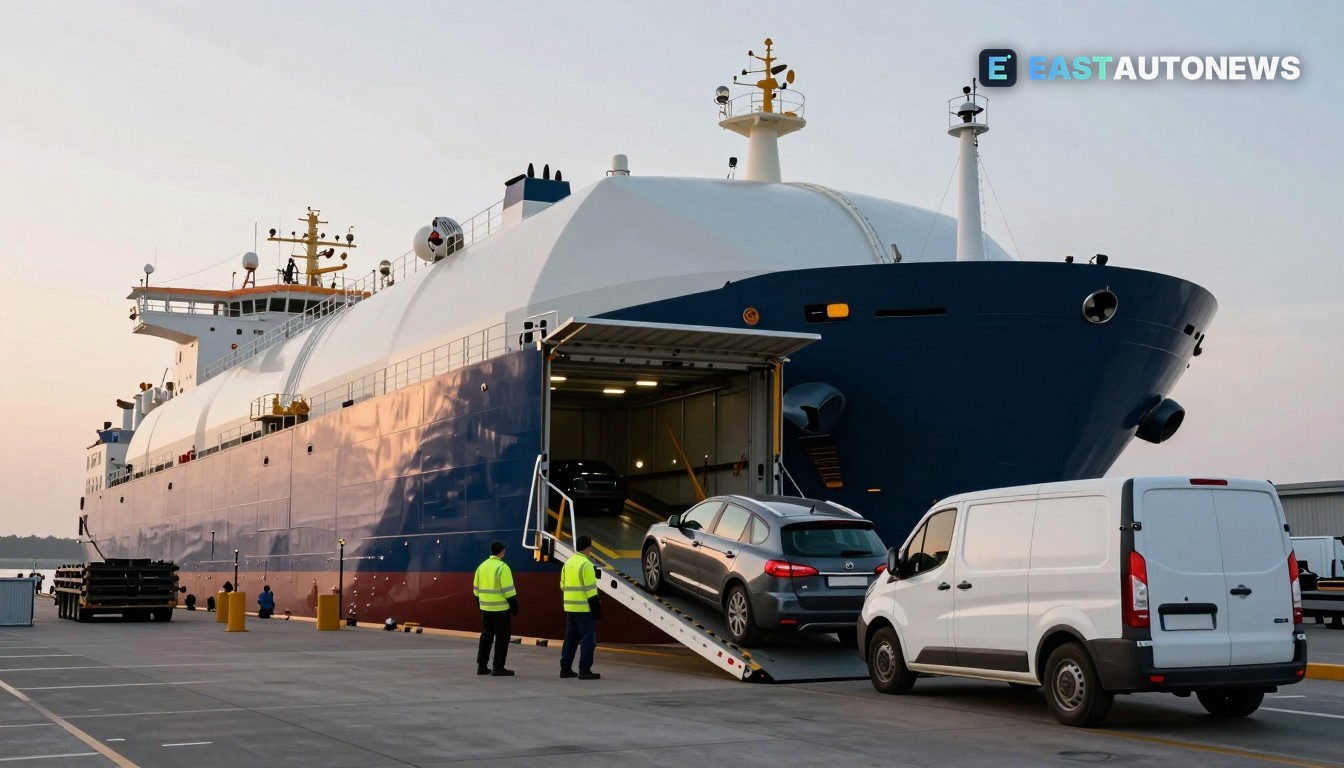
Mediterranean Shipping Company’s Global Car Carriers (GCC) has expanded its newbuilding programme with four additional LNG dual‑fuel pure car and truck carriers, taking the programme to 26 vessels and adding roughly 34,400 nominal vehicle spaces. The company’s updated records list 22 ships of 8,600‑CEU and four of 7,000‑CEU for a combined nominal capacity of about 217,200 CEU; the four newest ships are scheduled for delivery in 2030–2031.
Orders surge across the car‑carrier sector
The move by GCC follows a wave of large orders across the ro‑ro and PCTC market this autumn, with Grimaldi advancing a ten‑ship multipurpose PCTC plan and Wallenius Wilhelmsen confirming new 9,900‑CEU orders as fleet renewal continues. Grimaldi’s programme remains at the letter‑of‑intent and engineering stage with proposed deliveries for 2030–2031.
Shipyards in China — Zhoushan Changhong and China Merchants Weihai — were named for two pairs of GCC newbuilds, each vessel carrying 8,600 CEU, and the company’s revised orderbook pushes some deliveries into 2031. Contract prices were not disclosed.
What this means for the market
More large LNG dual‑fuel PCTCs ordered by major owners will increase capacity on Asia–Europe trade lanes over the coming years, relieving some pressure on vehicle lift that tightened in 2022–2024 and has caused rate volatility. Observers note record sailings and shifting loops on the Far East–North Europe corridor in recent weeks, underlining the commercial importance of adding newer, cleaner tonnage.
For Central and Eastern Europe, the fleet expansion matters because increased large‑ship capacity typically lowers spot vulnerability for ro‑ro lift into North‑European and Baltic gateways used by CEE carmakers and importers. Ports such as Gdańsk, Koper and Constanța — which handle finished vehicles and component flows to CEE assembly and distribution networks — stand to see steadier booking options and reduced premium surcharges as new tonnage enters service. (Market and port effects are contingent on ship deployment decisions by carriers and forwarders.)
Shipowner statements and reporting around the recent orders show the industry is prioritising dual‑fuel (LNG) propulsion and larger nominal CEU designs, a shift that aligns with decarbonisation rules and port air‑quality targets while also raising the available capacity per sailing. GCC’s programme alone adds roughly 34,400 CEU of nominal space and takes its orderbook to a combined 217,200 CEU, according to company records aggregated by industry press.
The newbuild wave should ease long‑term vehicle lift constraints, but deliveries are concentrated in 2030–2031; short‑term effects on 2027–2029 flows will therefore depend on how quickly operators deploy existing tonnage, convert routes and use charter arrangements to match demand.
WorldTrader24 B2B vehicle marketplace for dealers →
Sources: IndexBox (reporting on Splash247), Xinde Marine News, SeaAndJob, ContainerSignal