The European Carbon Border Adjustment Mechanism (CBAM) was extended to Norway and Iceland after an EEA decision entered into force on 18 November 2026. The EU’s tax and customs department says: "As of 1 January 2027, CBAM will apply in Norway and Iceland to goods imported into their customs territories."
How the extension works
The extension incorporates Regulation (EU) 2023/956 into the EEA framework and establishes a single CBAM area covering the EU, Norway and Iceland. The European Commission and DG TAXUD note that certain goods are covered regardless of volume (electricity and hydrogen), while other sectors — "imports above an annual cumulative threshold of 50 tonnes in four sectors: aluminium, iron and steel, fertilisers, and cement" — will be subject to the threshold applied cumulatively across the three territories.
Practical steps and timing are already being set: DG TAXUD says registration of verifiers accredited by Norway and Iceland will begin on 1 December 2026, and importers established in those countries must apply for CBAM declarant authorisation through the CBAM Registry (with flexibilities for applications filed by 31 March 2027). Mutual recognition of CBAM authorisations means authorisations issued in Norway or Iceland will be valid across the single CBAM area and vice versa.
Immediate implications for inputs
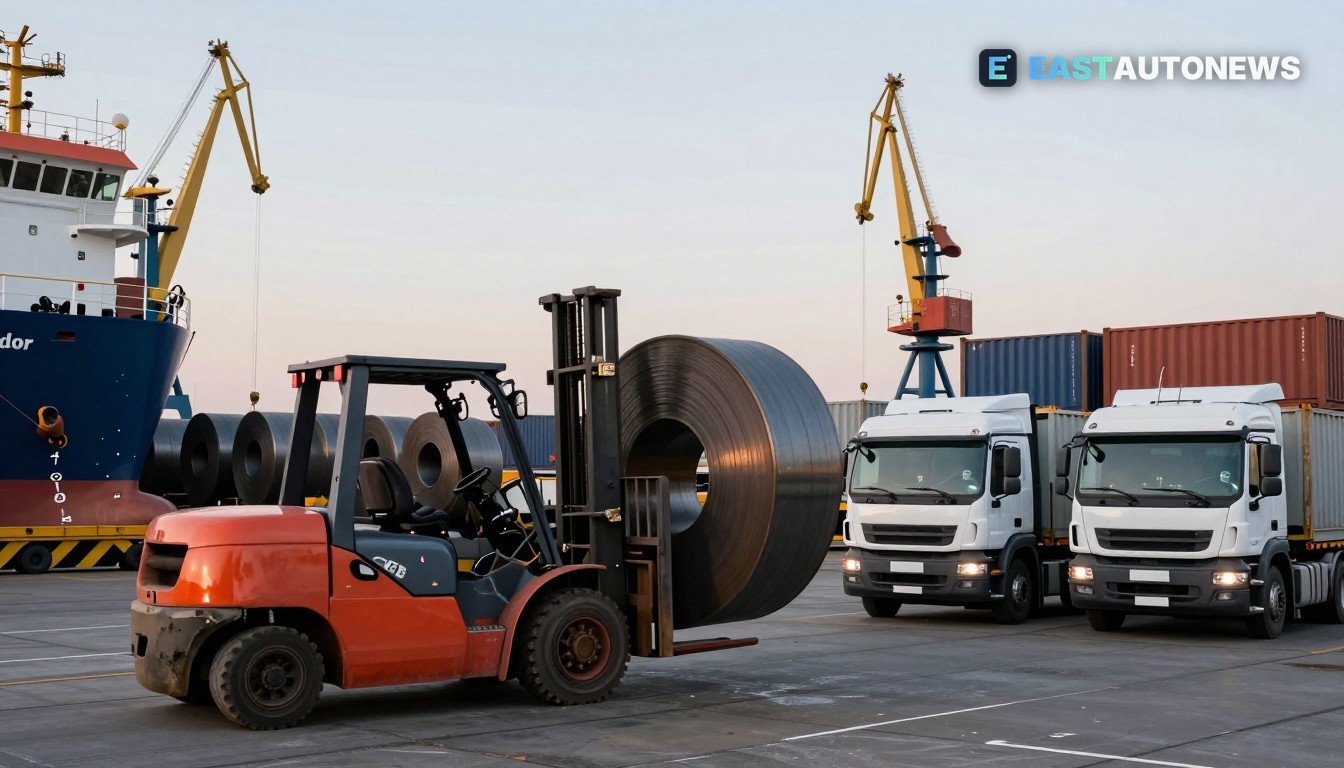
The enlargement matters first to industries that trade in the covered commodities. Steel and aluminium — principal inputs for car bodies, chassis and many powertrain components — are listed among the four sectors subject to the cumulative 50‑tonne rule. Industry commentators cautioned that cumulative thresholds can bring importers over the limit faster than national ceilings, increasing the number of companies required to register and report embedded emissions.
What this means for the market
For carmakers and parts suppliers in Central and Eastern Europe the extension tightens the patchwork of carbon‑price rules that affect upstream inputs. Because the 50‑tonne threshold is calculated across the combined customs territories of the EU, Norway and Iceland, import volumes that previously fell under separate national thresholds may now count cumulatively — potentially widening the set of importers who must become CBAM declarants and report embedded emissions. Businesses trading in iron, steel or aluminium should check whether the new shared threshold will change their reporting obligations and prepare to use the CBAM Registry and verification process.
The change also matters for sourcing and logistics decisions. Mutual recognition of authorisations simplifies cross‑border trade inside the single CBAM area — an authorisation granted in Norway or Iceland can be used to import into the EU, and vice versa — but companies importing into multiple jurisdictions will still need to align identifiers (EORI for EU imports; national TINs for Norway and Iceland). Registration and verifier timelines (verifier registration opens 1 Dec 2026) give industry a short window to prepare before reporting obligations tighten on 1 Jan 2027.
Policymakers have framed the extension as a move to ensure fair competition and transparency in embedded emissions across a broader trading area. For carmakers whose margins are sensitive to steel and aluminium input costs, the single CBAM area makes carbon‑price exposure more predictable — but also potentially broader — as import volumes are aggregated across the new territory. Analysts recommend early audits of supply chains, emissions accounting and customs identifiers to avoid last‑minute compliance hurdles.
WorldTrader24 B2B vehicle marketplace for dealers →
Sources: European Commission (DG TAXUD), 2eu.brussels, Loharo