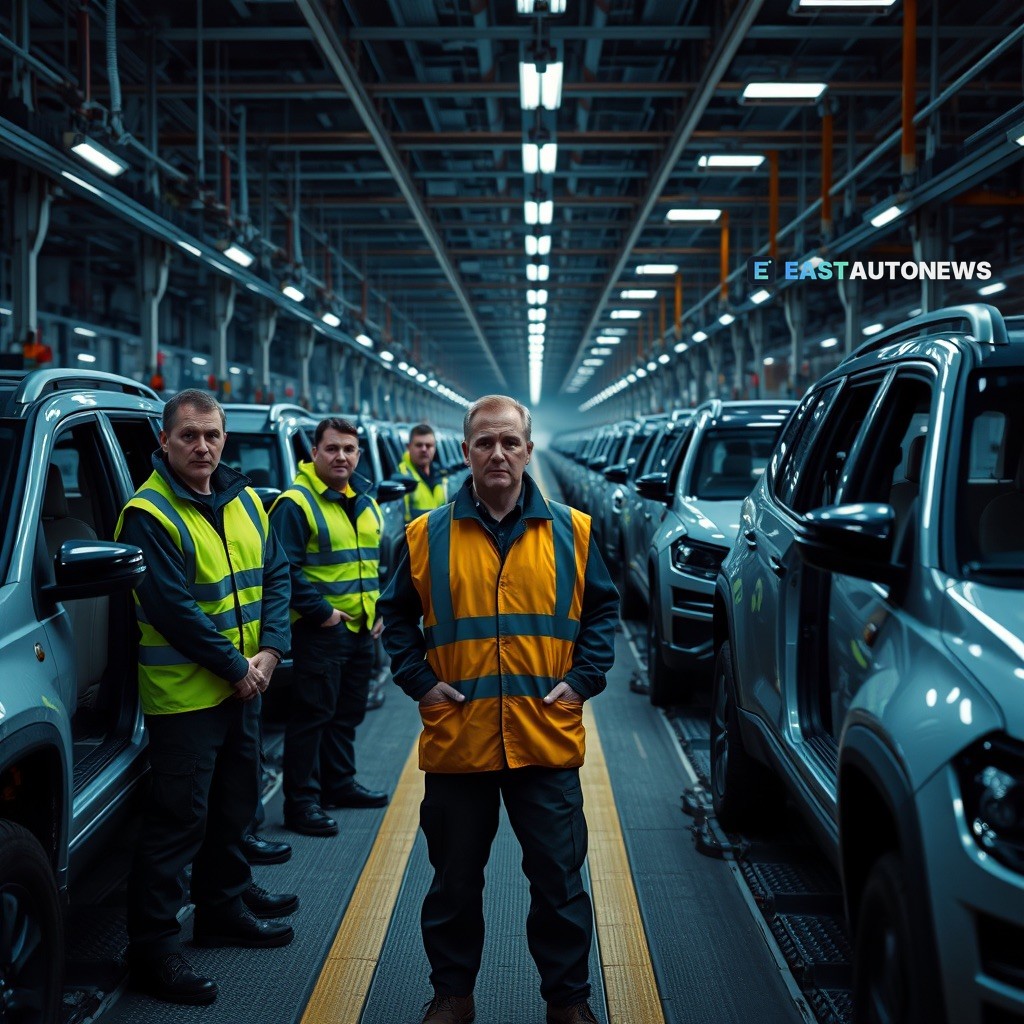
Dacia's home plant in Mioveni could lose Duster production to Spain as costs erode its competitiveness, according to a report by Romanian outlet Libertatea. The warning attached to the story is unusually blunt: „Trebuie să ne trezim. Acum!" — „We must wake up. Now!" For a brand whose industrial identity is inseparable from Mioveni, the prospect of its core SUV migrating west is less a sourcing detail than a verdict on Romania's ability to defend high-volume manufacturing.
The report's central argument is that any plan to keep the Duster in Romania must support not just the plant but the entire component supplier chain behind it. The levers it names are the ones CEE industry has debated for years: cutting energy expenses, stimulating automation and flexibilising the labour market. In practice, Mioveni's fate will be decided as much among the parts makers that feed the line as inside the plant itself — which puts Romania's supplier ecosystem, not a single factory, at the centre of the debate.
The timing is awkward. Europe's new-car market is regaining momentum: September registrations reached 1.36 million units, climbing back above the one-million mark after August missed it for the first time in five months, up 10.2% year-on-year and 63.8% month-on-month. Romania, by contrast, keeps moving the other way — new passenger car registrations declined again in October 2026, according to data published by the Romanian automobile manufacturers' association — even as domestic retail continues to invest, with Dacia Market opening a new location in Alba Iulia in July.